
 Find Wolf Appliance Repair Near You
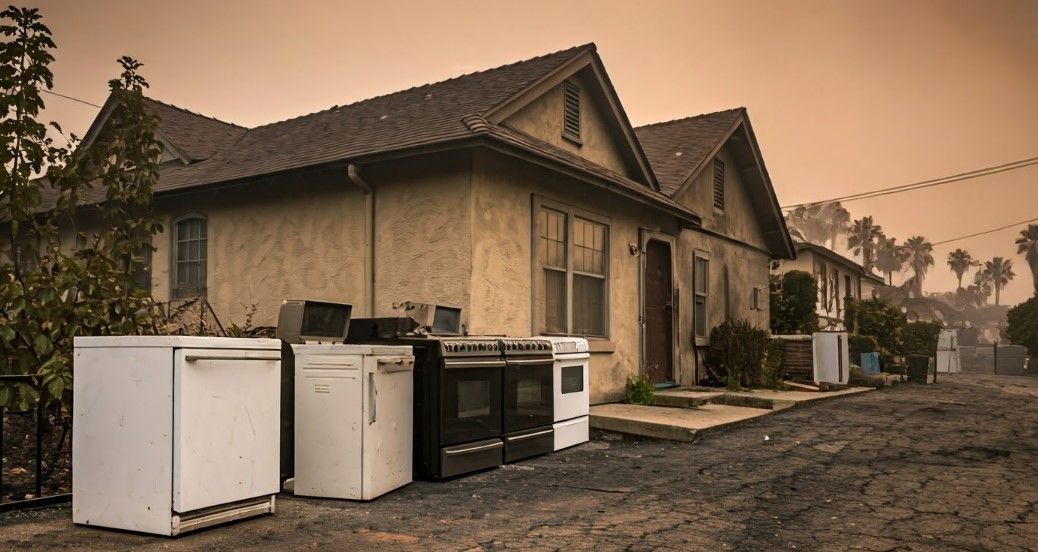
After a wildfire, getting back on track means looking at how it affected your home and things, especially your appliances. This blog gives LA homeowners important post-wildfire appliance repair tips. We will help you restore everything from rangetops to ovens. This way, you can concentrate on rebuilding your life after the wildfire.
Understanding the Impact of Wildfires on Home Appliances
Wildfires can harm your appliances by exposing them to severe heat, smoke, soot, and water. Even if a fire does not reach your home, smoke and soot can move far and get into every small space. This can cause several issues, such as:
- Clogged Filters and Vents: Ash and debris can block filters. This makes them work less well and can cause overheating.
- Corrosion and Rust: The heat and moisture from putting out fires can damage metal parts. This affects how well they work and how long they last.
- Electrical Problems: Smoke can hurt wiring and electrical parts. This poses safety risks and needs quick fixing.
The Types of Damage Appliances Can Suffer
Appliances can show both clear and hidden damage after a wildfire:
- Visible Damage: This shows as discoloration, warping, and melting on the outside.
- Internal Damage: Smoke and soot can get inside, covering parts with a residue. This can make the appliances work poorly and can be harmful to health.
- Electrical Damage: This is the most serious issue. It can involve bad wiring or control panels that do not work right.
It’s important to look at all types of damage. Even small problems can turn into safety risks or expensive repairs later.
Importance of Assessing Appliance Safety Post-Wildfire
Before you start cleaning or fixing anything, make sure you are safe. Appliances that were near a wildfire can be dangerous. They may cause electrical issues, fires, and health problems. Here’s what you should do:
- Disconnect Utilities: First, turn off the power to all appliances at the breaker box. If you smell gas, leave the area right away and call the gas company.
- Visual Inspection: Check your appliances for any damage. Look closely at cords, plugs, and connections. Watch out for signs like burning, melting, or water damage.
- Call a Professional: If you think there is electrical damage or if an appliance has strange smells or sounds, do not use it. Call a qualified technician as soon as possible.
Safety First: Preparing for Appliance Inspection and Repair
When you handle possibly damaged appliances, your safety is the top priority. Before you check or clean the appliance, disconnect it from the power. This means unplugging it and, if you can, turning off the circuit breaker for it.
Make sure the area has enough ventilation. Open windows and doors to help let out any fumes or smells. Lastly, always put on the right personal protective equipment (PPE) to protect yourself from any dangers.
Necessary Safety Gear for DIY Repairs
Protecting yourself is very important when working with possibly damaged appliances. Using the right safety gear can really lower the risk of injury or contact with harmful materials. Here’s what you will need:
- Respiratory Protection: Wear a mask that stops dust and fumes, especially when you’re around ash and soot.
- Protective Clothing: Dress in long sleeves, pants, and closed-toe shoes to keep your skin safe from debris and sharp edges.
- Safety Glasses: Protect your eyes, too. Small particles can easily irritate them when you are cleaning or taking apart appliances.
Remember, safety is key. If you aren’t sure about a repair, it is always smart to ask a professional for help.
How to Identify Appliances That Can Be Salvaged
Not all appliances hurt by wildfires are lost forever. Some can be cleaned and fixed with small repairs. Here are key things to think about:
- Level of Damage: If there are bad burns, melted parts, or serious water damage, the appliance may be too damaged to fix.
- Age and Worth: Older appliances that are close to breaking down may not be worth spending a lot of money to repair.
- Safety Issues: If you feel unsure about an appliance’s safety, it is best to play it safe and get advice from a professional.
Taking photos of the damage can be useful for insurance claims or when talking to repair experts.
Step-by-Step Guide to Cleaning and Repairing Appliances
Cleaning and fixing appliances after a wildfire needs careful steps. Follow these steps:
Initial Cleaning: Removing Ash and Soot from Appliances
Ash and soot can get into tiny spaces in your appliances. This can lead to problems with how they look and how they work. First, make sure to wear your safety gear. Put on gloves, a mask, and eye protection.
- Gentle Vacuuming: Use a vacuum with a brush attachment. This will help you take off loose ash and soot from your appliances.
- Damp Cloth Cleaning: Wipe the surfaces with a damp cloth. You can use a mild detergent solution if necessary. Rinse it well afterward.
- Air Drying: Let the appliances dry completely before you plug them back in. This will help prevent electrical issues or further damage.
Keep in mind that ash and soot can scratch surfaces. So, use gentle motions and avoid scrubbing hard.
Deep Cleaning Techniques for Different Appliance Types
For a better cleaning of certain appliances, try these methods:
- Rangetops/Cooktops:
- Start by removing grates and burner caps.
- Soak them in warm, soapy water.
- Use a non-abrasive cleaner to wipe down the surface of the appliance.
- Ensure all parts are fully dry before reassembling.
- Ovens/Ranges:
- Take out the oven racks and burner grates, and clean them with a baking soda paste.
- Wipe the inside of the oven with a damp cloth and a gentle cleaner.
Cleaning regularly and taking care of these appliances after the first deep clean can help reduce long-term issues.
Repair Tips for Ovens and Ranges Affected by Wildfires
Ovens and stoves can get damaged in wildfires. This is often due to problems with their electrical parts and gas lines. After you do some cleaning, follow these steps:
- Inspect Gas Lines: Look for cracks, kinks, or loose connections in the gas lines.
- Test Burners: Light each burner. Make sure they work right and the flames are a blue color.
- Check Electrical Components: Look at the wires, plugs, and control panels for any visible damage or melting.
If you see any gas leaks or electrical issues, turn off the gas or unplug the appliance right away. Call a qualified technician to fix it.
DIY Repairs for Cooktops and Rangetops Affected by Wildfires
In the aftermath of a wildfire, ensuring the safety and functionality of your appliances is crucial. When dealing with cooktops and rangetops affected by wildfires, it’s important to follow proper repair steps.
- For Wolf ovens and Wolf ranges, check the condition of the gas lines before using them. Any signs of damage such as cracks or leaks should be addressed immediately by a professional to prevent safety hazards. It’s also essential to test the burners to ensure they are functioning correctly and not emitting any unusual flames.
- For Wolf cooktops and Wolf rangetops, check for any visible damage to the electrical components. Inspect the wires, plugs, and control panels for signs of melting or burning. If you notice any issues, refrain from using the appliance and seek assistance from a qualified technician.
Prioritizing safety and maintenance post-wildfire will help restore your appliances effectively.
Electrical Systems and Appliances: A Special Note
Electrical systems need extra care after wildfires. Cleaning appliances is important. However, it’s best to let skilled professionals check electrical parts. Smoke and heat can harm wiring, which may cause short circuits or fires.
Before turning the power back on or using any appliances, have a licensed electrician look at your electrical system, outlets, and appliances for damage. Their knowledge keeps you safe and stops any risks.
Checking and Repairing Electrical Connections
While it’s crucial to leave major electrical work to professionals, you can safely inspect basic electrical connections on your appliances. Here’s how:
- Unplug the Appliance: Never work on an appliance that’s plugged in.
- Visual Inspection: Look for signs of damage to the power cord, plug, and the appliance’s inlet where the cord connects.
- Common Issues and Solutions:
|
Issue |
Description |
Solution |
|
Frayed Power Cord |
Exposed wires indicate potential shock hazards. |
Replace the power cord. |
|
Melted or Burned Plug |
Heat damage can affect the plug’s functionality. |
Replace the plug. |
|
Loose Connections |
Poor contact can cause overheating or malfunction. |
Tighten loose screws or replace damaged connectors if you are comfortable working with electrical components. |
If you encounter any issues beyond these basic checks, contact a qualified electrician for assistance.
When to Call Us at Wolf Appliance Repair Expert for a Professional Help
If you have problems with your Wolf appliances after a wildfire, it’s very important to get professional help right away. Our team at Wolf Appliance Repair Expert in California is skilled in cleaning and repairing Wolf ranges, cooktops, ovens, and more. Getting expert help ensures your appliances are checked well and fixed properly, which can stop more damage. Don’t wait! Contact us for quick help and trustworthy solutions to keep any issues from getting worse.
Conclusion
Our post-wildfire appliance repair tips outlined above provide helpful guidance on how to inspect and address electrical issues with appliances after a wildfire. Remember to always prioritize safety by unplugging appliances before checking for damage. Basic checks like examining power cords, plugs, and connections can help identify common issues such as frayed cords or loose connections. For more complex problems, don’t hesitate to contact a professional electrician. In cases involving Wolf appliances, seek assistance from trusted professionals like Wolf Appliance Repair Expert in California for thorough cleaning and repairs to prevent further damage. Acting promptly can make all the difference in restoring your appliances safely and effectively post-wildfire.
For more tips, look at our guide on Cleaning Electric Cooktops After Wildfires. Stay ready and informed to manage appliance problems well after a wildfire.
Frequently Asked Questions
How do I know if an appliance is too damaged to repair?
After a wildfire, it is important to check for damage. If the appliance shows heavy burns, major water damage, or a strong smell even after cleaning, it could be beyond repair. It is best to talk to a professional for an expert opinion.
Can smoke damage to appliances be completely removed?
Thorough cleaning and restoration methods can lower smoke damage to appliances. However, total removal is not always certain. How much smoke has gotten in and the type of appliance matters for the results.
What are the first steps in assessing appliance damage after a wildfire?
- Safety should be your main concern.
- Make sure to turn off utilities before you get close to any appliance.
- After that, look over the appliance for any clear damage.
- Check for signs like burns, melting, or water damage.
Is it safe to clean and repair appliances on my own, or should I hire a professional?
Simple cleaning can be a task you do yourself. However, if you are not sure about something with your appliance repair—especially if it involves electrical parts—it’s always best to hire a professional.