
 Find Wolf Appliance Repair Near You
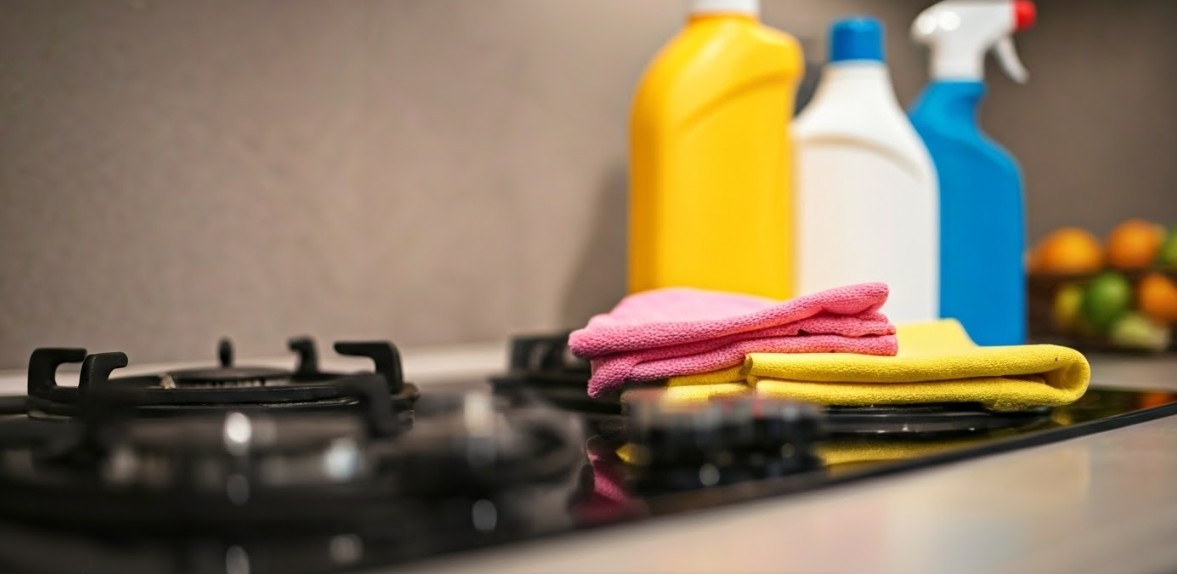
Maintaining a clean kitchen is very important for any home chef. A shiny cooktop is a key part of this. Whether you are an expert cook or just starting out, knowing how to clean your cooktop well is a must. This guide will give you easy step-by-step instructions on how to deep clean a cooktop. This will help it work better and last longer. We will talk about different cleaning methods, different cooktop types, and why you should use the right cleaners for your cooktop, like high-quality brands such as Wolf.
Understanding the Importance of Regular Cooktop Cleaning
Imagine a shiny, clean cooktop. It shows that your kitchen is well taken care of. Now think about a cooktop covered with grease, spills, and burned food. This mess is not only ugly but can also cause problems. It can make cooking harder and even harm your health. So, cleaning your cooktop regularly is important. It is not just about how it looks; it is about keeping your cooking area safe and healthy.
When you clean often, you stop dirt from building up. This also keeps fire risks away that come from grease. A clean cooktop also means a cleaner space for cooking. This lowers the chance of germs and keeps food safe from contamination.
Health and Safety Considerations
A dirty cooktop poses health and safety risks. Food residue and grease create a breeding ground for bacteria, leading to potential illnesses and fire hazards. Regular cleaning prevents bacterial growth, reduces cross-contamination, and ensures a safer kitchen environment. Prioritize keeping your cooktop clean to protect your family’s health and maintain a safe kitchen. Remember, cleanliness is key to safety and well-being.
Identifying Your Cooktop Type
Before deep cleaning, identify your cooktop type—gas with burners, electric with coils, or glass. Using the right cleaning methods is crucial to avoid damage and costly repairs. Learn how to clean each type effectively in the following sections.
Characteristics of Gas, Electric, and Induction Cooktops
Gas cooktops offer precise temperature control with open burners and grates. Electric cooktops, featuring metal coils or smooth ceramic glass, provide alternatives. Induction cooktops, a newer type, heat cookware directly using electromagnetic induction for efficiency and safety. Each type has unique cleaning challenges: gas cooktops can collect grease, electric coil cooktops require careful cleaning to prevent damage, glass cooktops can scratch if not cleaned properly, and induction cooktops have flat surfaces that are easier to clean but still require regular care. Understanding the specifics of each type is crucial for effective cleaning. Detailed cleaning instructions for each will be provided in the following sections to maintain clean and shiny surfaces for cooking.
Why Each Type Requires a Different Approach
Different types of cooktops need different cleaning methods.
- Gas cooktops have removable grates and burner caps. This feature makes it easier to clean them well. You may need to soak and scrub these parts.
- Electric cooktops have exposed coils. You must be careful with these to avoid damage to the heating elements. They need to be cleaned dry.
- Glass cooktops look nice but can scratch easily. They need specific cleaners and tools to keep them looking good. Avoid harsh cleaners or abrasives as they can ruin the surface and affect how well they work.
- Induction cooktops heat differently. They usually require less intensive cleaning. However, you should still wipe them down regularly and use special cleaners made for their delicate surfaces.
By knowing the cleaning needs of each cooktop type, you can make them last longer and keep them looking great.
Preparing to Deep Clean Your Cooktop
Before you start a deep clean, make sure you have everything you need and focus on safety. Getting ready helps you clean better. Just like a painter preps their canvas, a tidy space will help your cooktop look great.
First, make sure your cooktop is cool. Always clean a cool cooktop to avoid burns and harm to the surface. Turn off all burners and unplug the appliance if you can. Then, collect your cleaning supplies. This includes your cleaners, sponges, cloths, and any special tools suggested for your cooktop.
Gathering Necessary Equipment and Materials
Just like a chef gathers their ingredients before cooking, it’s important to have all the tools and items needed for a good deep clean. This planning makes the process smoother and helps avoid delays.
Here’s a list of important cleaning supplies to keep ready:
- Baking soda: A natural cleaner and deodorizer, great for getting rid of grease and stuck food.
- Distilled white vinegar: This is another natural cleaner that works well to cut through grease and remove mineral buildup.
- Dish soap: A must-have for kitchen cleaning, dish soap helps wash away grease and food bits.
- Sponges: Use non-abrasive sponges to protect delicate surfaces from scratches.
- Microfiber cloths: These are perfect for wiping surfaces clean and getting a streak-free shine.
- Plastic scraper or razor blade scraper: Use these carefully to get rid of tough, burnt-on food.
Having these supplies ready will change your cleaning task from something overwhelming to a well-organized activity. A good range of cleaning tools is important for keeping your cooktop shiny.
Safety Tips Before You Begin
Safety is paramount when using heat-producing appliances. Before deep cleaning, prioritize safety by following these steps:
- Ensure the cooktop is cool to avoid burns.
- Unplug the appliance to prevent electrical shock during cleaning.
- Use cleaning agents in a well-ventilated area to avoid fume buildup. Remember, your safety is crucial for a sparkling clean and safe cooktop.
Step-by-Step Guide to Deep Cleaning Your Cooktop
With your cleaning supplies ready and safety measures set, it’s time to start deep cleaning your cooktop. Each step is important to get a clean surface and bring your cooktop back to how it used to look.
Step 1: Initial Surface Cleaning
First, prepare for a deeper clean by removing loose dirt and grease. For gas cooktops, remove grates and burner caps, then wipe with a damp cloth. For electric cooktops, wait for coils to cool before wiping. Glass cooktops require a soft sponge with warm soapy water; avoid harsh cleaners or scrubbers to prevent scratches. Tough stains can be treated with a paste of baking soda and water.
Step 2: Addressing Specific Cooktop Components
Now that the main cleaning is done, focus on specific cooktop areas like grates, burner caps, coils, and drip pans. For gas cooktops, soak grates and burner caps in hot soapy water for at least 30 minutes to loosen grease. Use a soft brush for tricky spots. For electric cooktops, gently clean coils with a soft brush or damp cloth. Avoid getting them too wet. Soak and scrub drip pans if needed. Ensure all parts are thoroughly dried before reassembly for safe and efficient operation.
Step 3: Applying Deep Clean Techniques
Deep clean your cooktop by tackling tough stains with a natural mix of baking soda and vinegar. Create a paste with baking soda and water, apply it to stains, let it sit, then spray with vinegar for fizzing action that helps lift stains. Be cautious with glass cooktops to avoid damage. Gently scrub and rinse with water to remove residue.
Step 4: Final Wiping and Polishing
After deep cleaning, wipe and polish your cooktop for a streak-free shine. Use a clean, damp cloth to remove any residue and pay attention to edges and small spaces. For glass cooktops, ensure a smooth, streak-free finish. Once dry, buff with a dry microfiber cloth for a bright, fresh look. Enjoy a clean cooktop ready for your next culinary creations!
Contact Us at Wolf Appliance Repair Expert for Professional Service
This complete guide helps you learn how to deep clean your cooktop. However, some cases need professional help. If you see tough stains, annoying smells, or think there could be other problems with your cooktop, it is a good idea to get expert help.
At Wolf Appliance Repair Expert, we focus on providing great cleaning and repair services for all Wolf appliances, including cooktops. Our skilled team has the knowledge and special tools needed to handle tough cleaning jobs. This way, your cooktop gets the care it needs.
Conclusion
Deep cleaning your cooktop is very important. It helps it perform better and last longer. Keeping it clean also keeps it safe to use and makes it look new. Knowing what your appliance needs and how to deep clean a cooktop step by step is important. It doesn’t matter if you have a gas, electric, or induction cooktop. Taking time to deep clean it will be worth it later. You can get professional help by contacting Wolf Appliance Repair Expert. If you want to learn more DIY tips, visit our blog on How to Fix a Faulty Cooktop Igniter.
Frequently Asked Questions
How often should I deep clean my cooktop?
To keep your cooktop running well and safe, it’s best to clean it deeply every 2 to 4 weeks. The exact time can change based on how often you use it. If you use it lightly, cleaning it once a month should be enough. But if you use it a lot, you might need to clean it more often.
Can I use natural cleaners for deep cleaning?
Yes, natural cleaners such as vinegar and baking soda work really well for deep cleaning your cooktop. This includes glass cooktops and popular brands like Wolf. They easily get rid of grease, remove stains, and freshen the air. This gives you a safe and eco-friendly way to clean.
Is it necessary to disassemble the cooktop for deep cleaning, or can it be done without taking it apart?
For a complete deep cleaning, especially for Wolf cooktops, it’s a good idea to take apart removable parts like grates, burner caps, and drip pans. This helps you clean better and stops dirt from getting stuck in tough spots. Always check your appliance manual for details on how to take things apart and for safety tips.