
 Find Wolf Appliance Repair Near You
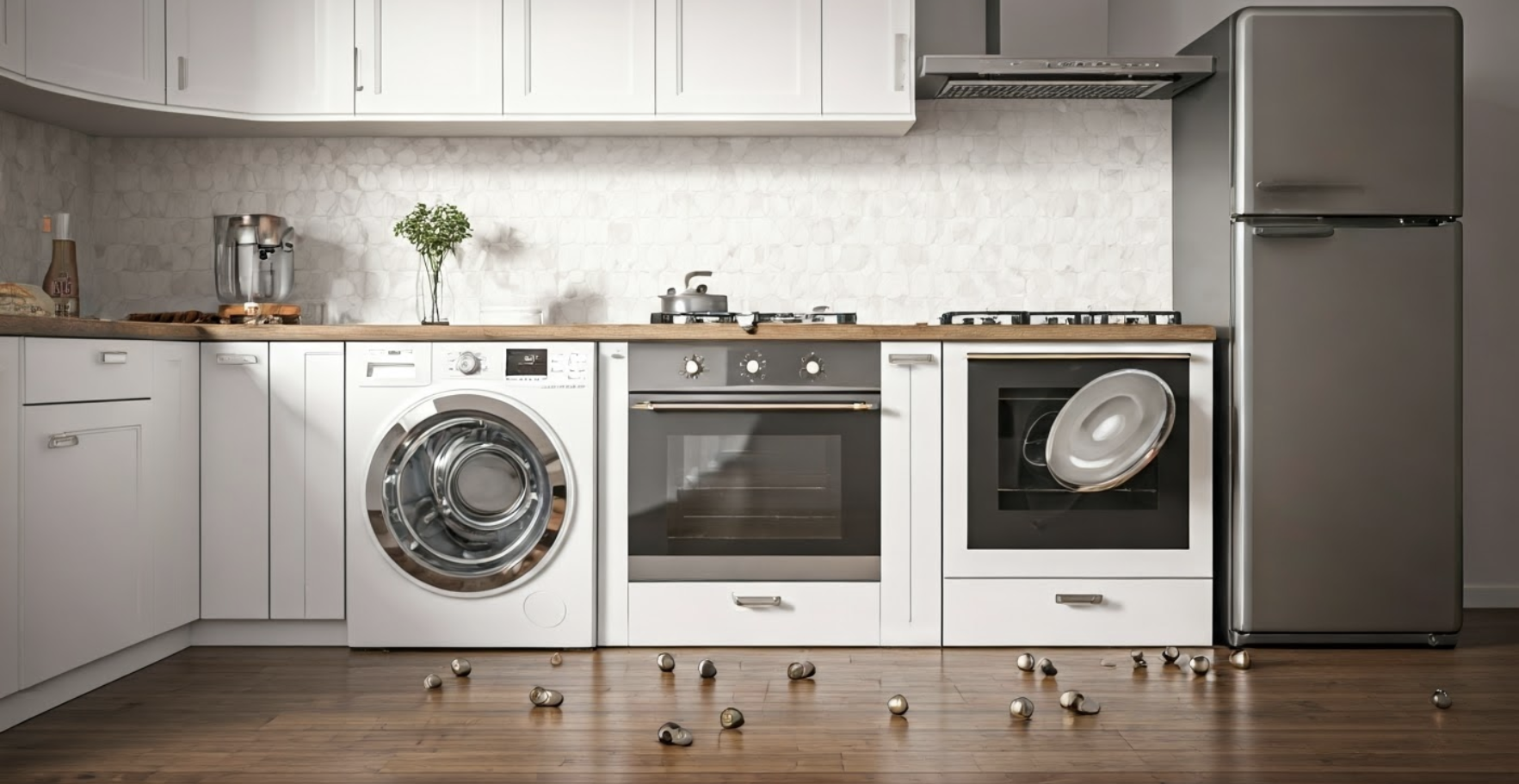
Have you ever thought about why a working appliance stops working out of the blue? Problems can come from things like overheating, too much heat, or electrical problems that interfere with normal use. Whether it’s your oven, rangetop, or others, these breaks can mess up your daily life. Knowing the most common reasons helps you avoid damage and can make your appliances last longer. Let’s look at the main reasons why your appliances may suddenly stop working.
7 Common Reasons Your Appliances Stop Working
When household appliances stop working suddenly, it can be very frustrating. But there is good news. Most times, these appliance failures are due to clear issues that can be fixed. Whether it’s a power outage or overheating, finding out what caused the problem can save you from spending a lot on replacements. Sometimes, simple mistakes like not using an appliance correctly, clogged vents, or not keeping up with maintenance can cause these problems. Other times, software issues or appliances getting old may lead to malfunctions. Looking into the exact reason helps you find a quicker solution and can stop it from happening again.
Let’s look at these seven reasons more closely.
Reason 1: Power outage or electrical issues
Power outages or electrical problems are the main reasons appliances fail. When the electricity goes out, your appliances stop working right away. The true risk appears when the power comes back. An unexpected surge in electricity can harm important parts inside your appliance.
To protect your appliances during outages, unplug them right away. If you leave them plugged in, check your breaker panel to reset any tripped circuits first. If a fuse is blown, it will need to be replaced. For lasting protection, consider buying surge protectors or installing a whole-home surge protector. Surge protectors are good for small devices. However, it is better to have a full-system solution for bigger appliances like stoves and refrigerators.
By taking the right steps during power outages, you can pay less for repairs or replacements. This way, your appliances stay working.
Reason 2: Overheating or lack of ventilation
Overheating often happens when there is not enough air moving around appliances. This excessive heat causes them to work harder and can hurt their parts. For instance, if ovens, rangetops, and refrigerators do not have good airflow, they can overheat and fail.
You can tell your appliance may be overheating if you notice:
- Hot outer surfaces or a smell like burning plastic
- It shuts down unexpectedly
- You hear buzzing or other strange noises from it
To prevent overheating, make sure there is enough space around your appliances for air to flow. Clean air vents and filters often to get rid of clogs that block air. Check the places around your appliances for anything that could stop heat from escaping. Proper ventilation helps your appliance last longer by stopping serious damage. If you notice overheating, fix it quickly to avoid bigger problems later on.
Reason 3: Component failure or wear and tear
No appliance is free from damage over time. With regular use, some parts endure repeated stress, which lowers how well they work. Even small problems, like a failing motor or electrical board, can greatly affect how an appliance runs.
External signs, such as a weak motor or buttons that don’t work, can show that a part has failed. Internal issues, like weak seals or damaged wires, can make the wear and tear worse as time goes on. Some parts may get damaged through misuse, while others wear down just because of age.
Swapping out worn parts with high-quality ones recommended by the manufacturer helps keep your appliance reliable. If problems become too complex for do-it-yourself fixes, professional repair services from Wolf Appliance Repair Expert can safely replace parts and upgrade the system. Checking for and fixing issues quickly can stop small problems from turning into serious damage.
Reason 4: Clogged filters or vents
Blocked filters and vents can quietly lead to problems with your appliances, including cooktops. Filters gather dust, grease, and dirt over time. Vents let hot air or water vapor escape. When these become blocked, airflow stops, and the temperature control doesn’t work right. This makes your appliance work too hard.
Here are some common ways filters or vents can get clogged:
- Grease buildup in kitchen range hoods
- Lint blocking dryer vents
- Dust and debris covering refrigerator coils
You can help your appliance last longer by cleaning filters and vents regularly. For range hoods, clean surfaces every week to keep airflow strong. Make sure to clean the lint filter in dryers after each use, and clean refrigerator coils at least once a season. Blocked ventilation systems can make appliances work less efficiently. Fixing clogs right away can keep repair costs down.
Reason 5: User error or misuse
Human mistakes often make appliances work poorly. If you handle appliances carelessly or don’t read the instruction manuals, you can cause problems that shorten their life. For instance, putting too much load in washers or microwaves makes them work harder than they should. Using the wrong settings or cleaning products, like the wrong detergents, can make the machines operate poorly.
Some common user mistakes are:
- Not following maintenance schedules
- Using cleaning supplies that are not recommended
- Overloading laundry machines or dishwashers
You can prevent this misuse by learning about each appliance from the manuals and tutorials. When you use appliances correctly, they work well and help you avoid extra costs from breakdowns. Good habits can improve how well the machines work and protect them from damage caused by user mistakes.
Reason 6: Software glitches or updates
Modern appliances depend a lot on software control panels. This can make them more likely to have problems. System errors can interrupt how they work. Also, old firmware can lead to compatibility issues, which can affect how well the appliance works.
Here are some common signs of software problems:
- Error codes on screens
- Control panels that don’t respond, even with power
- Cycles that don’t finish as expected
You can fix these glitches by resetting the system. Simply unplugging the appliance for a few minutes before plugging it back in can often clear temporary software issues. If problems keep happening, updating the firmware through the manufacturer’s website can improve how the appliance works with other devices. For ongoing issues, it may be necessary to get professional help to find deeper software issues or corrupted systems.
Technology problems usually won’t fix themselves without action. Good troubleshooting helps ensure the appliance works well and reduces the chance of future problems.
Reason 7: Age and deterioration of the appliance
Appliances show clear signs of aging after many years of use. This natural wear affects how well they work and how dependable they are. Additional factors like old parts, everyday wear and tear, and lasting environmental effects can speed up this aging process.
You might notice these signs of appliance aging:
- Slow performance or using more power than usual
- Stiff controls or weakened seals
- Unusual noises
To avoid problems related to age, it’s smart to replace your appliances before they break down. A professional can check them, especially if they have been used a lot, and suggest ways to keep them in good shape. Taking care of appliances helps save money on replacements in the long run.
Conclusion
Knowing the reasons appliances suddenly stopped working can help you save time, reduce stress, and save money. There are many reasons for appliance failure, like power outages and user mistakes. By spotting these common problems early and fixing them, you can make your appliances last longer and work better. Regular care and being aware of possible issues are important to keep your home running well. If you want to learn more about rangetop care and tips, check out our blog post on How to Repair a Loose Rangetop Burner Head Easily for more insights.
Frequently Asked Questions
What should I do immediately when my appliance stops working?
Start troubleshooting by unplugging the appliance. Check the circuit breakers or fuses right away. If the problem continues, look at the user manual for help and try some basic fixes. Do not touch high-voltage parts. If you are unsure, reach out to a professional for more help and repairs.
How can regular maintenance prevent appliance failures?
Regular maintenance stops problems before they happen. It takes care of signs of wear, cleans clogged filters and vents, and fixes small issues early. Keeping good ventilation and clean filters reduces extra stress on the appliance. This helps prevent overheating and makes the appliance last longer.
What is the average lifespan of kitchen appliances?
Kitchen appliances usually last between 10 to 15 years. This can change based on how strong they are, how often you use them, and the care they receive. Good quality appliances that are cleaned and maintained regularly tend to last longer. However, if you use them daily and heavily, they might not perform well for as many years.