
 Find Wolf Appliance Repair Near You
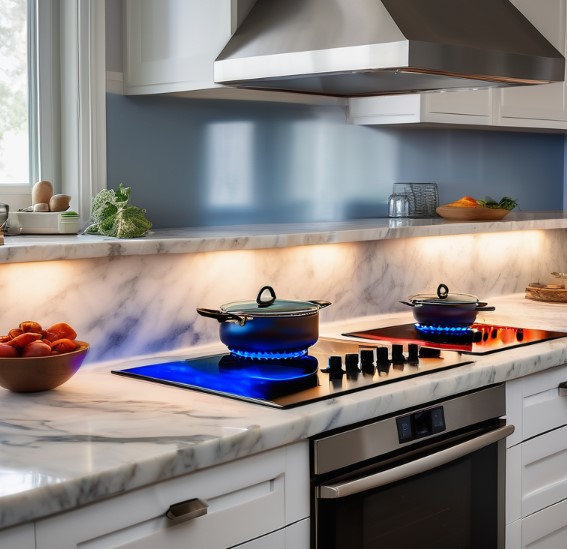
As more people around the world pay attention to the environment, we need to look closely at how our daily choices affect it, especially in the kitchen. One choice to consider is the kind of cooktop we use. This appliance may seem simple, but it can greatly affect indoor air quality and the levels of carbon dioxide emitted, especially with traditional gas appliances.
In this article, we will delve into the environmental impact of different cooktop types, shedding light on their energy efficiency, emissions, and overall sustainability. By understanding the implications of our choices when it comes to kitchen appliances, we can make informed decisions that contribute to a greener future for our planet. Let’s explore how each cooktop type plays a role in shaping our environment and what we can do to minimize any negative effects.
Exploring the Green Impact of Various Cooktop Technologies
Choosing a cooktop is about more than how it looks or how you cook. The technology behind your cooktop can have a big impact on the environment. Things like the energy source, efficiency, and how it is made all affect the overall footprint of your appliance.
Let’s look at the environmental benefits and drawbacks of different cooktop technologies. This will help you make a smart choice that fits your cooking needs and beliefs about the environment.
1. The Traditional Gas Cooktop: A Look at Emissions and Efficiency
Gas cooktops are powered by natural gas. They are popular because they allow for quick heating and precise temperature control. However, there are some environmental issues with this technology. Burning natural gas releases carbon dioxide, which is a major greenhouse gas and affects climate change.
Additionally, gas cooktops can cause indoor air pollution. Small leaks can let methane escape into your home. Methane is another strong greenhouse gas. Research shows that gas stoves can also emit harmful pollutants like nitrogen dioxide, formaldehyde, and carbon monoxide, which worsen indoor air quality.
- Emissions: They release carbon dioxide and can leak methane, even when not being used.
- Efficiency: They are less efficient compared to electric and induction cooktops.
- Indoor Air Quality: They can be a source of indoor air pollution, especially if there is not enough ventilation.
2. Electric Cooktops: Energy Use and Environmental Footprint
Electric cooktops are better for the environment when compared to gas cooktops. They do not emit any harmful gases while they are in use. This makes them a cleaner choice for indoor air quality. However, the impact on the environment also depends on how the electricity is made.
Cooktops do not produce greenhouse gases, but the electricity from power plants might. If your power comes from clean sources like solar or wind, then your electric cooktop will have less effect on the environment.
So, when you pick an electric cooktop, think about what type of energy is available in your area.
3. Induction Cooktops: Efficiency and Electromagnetic Impacts
Induction cooktops are becoming very popular. They are loved for being highly energy-efficient and heating food quickly. These cooktops create heat directly in magnetic pots and pans, which means less heat is wasted.
This design makes induction cooktops a much better choice than gas or regular electric stoves. They are great for keeping precise temperatures and cooking faster, which helps save energy.
- Efficiency: They save energy and lower electricity bills.
- Electromagnetic Fields: There are some worries about electromagnetic fields, but research shows they are safe when used normally.
- Environmental Impact: They produce fewer greenhouse gases than gas cooktops, especially when used with renewable energy.
4. Ceramic Cooktops: Pros and Cons in Green Perspective
Ceramic cooktops are a kind of electric cooktop. They look modern and sleek, making them a nice choice for kitchens. While they are good to look at, they sit between traditional electric cooktops and induction cooktops when it comes to helping the environment.
They use less energy than regular electric cooktops but more than induction cooktops. Like other electric cooktops, their effect on the environment depends on how the electricity is made.
In the end, a ceramic cooktop can be a good eco-friendly option based on your electricity source and how you cook.
5. Solar-Powered Cooktops: Feasibility and Environmental Benefits
Solar-powered cooktops are an interesting way to cook while being kind to the planet. They use sunlight to cook food, which helps cut back on fossil fuel use and lowers carbon emissions.
However, solar cooktops do have some drawbacks. Their performance depends on having plenty of sun. In some places or on cloudy days, they may not work as well.
- Environmental Impact: They greatly lower carbon emissions because they use solar power.
- Renewable Energy: They help promote clean and sustainable energy.
- Feasibility: Their use is limited by weather and sunlight, so they work best in certain areas.
Comparative Analysis of Cooktop Types
To provide a clearer perspective on the environmental impact of different cooktop types, let’s examine a comparative analysis. The following table summarizes the key points discussed, offering a concise overview of their pros and cons:
|
Cooktop Type |
Energy Source |
Efficiency |
Environmental Impact |
|
Gas |
Natural Gas |
Low |
High emissions, potential for leaks |
|
Electric |
Electricity |
Moderate |
Dependent on electricity source |
|
Induction |
Electricity |
High |
Low emissions with renewable energy |
|
Ceramic |
Electricity |
Moderate |
Similar to electric, depends on energy source |
|
Solar |
Solar Power |
N/A |
Lowest emissions, reliant on sunlight |
A deeper understanding of each aspect will further clarify their overall environmental implications.
Evaluating Energy Consumption Across Cooktops
Energy use is important when we look at how cooktops impact the environment. Induction cooktops are the best in this area because they are very energy efficient. They transfer heat directly to the pots and pans, which means less energy is wasted. This leads to lower electricity use.
Traditional electric cooktops use less energy than gas cooktops, even though they are not as efficient as induction ones. Gas cooktops use the most energy because they burn fossil fuels.
Choosing energy-efficient options like induction or electric cooktops can help you lower your energy use in the kitchen.
Assessing the Carbon Footprint of Each Cooktop Type
The carbon footprint of each cooktop type is linked to how it is made and where it gets its energy. Gas appliances, which use natural gas, have the highest carbon footprint.
Electric and induction cooktops also depend on electricity for power. Their carbon footprints can differ based on the electricity source. If the electricity comes from renewable sources, like solar or wind, the carbon footprint is much lower.
Solar-powered cooktops use clean solar energy, making their carbon footprint the smallest compared to all types of cooktops.
Which type of cooktop is the most environmentally friendly?
To find the best eco-friendly cooktop, you should think about different things like the energy source and how efficient it is. Right now, induction cooktops are leading in being green, especially when used with renewable energy.
They are very efficient and can use clean electricity, which helps reduce their impact on the environment. Solar-powered cooktops are also good for having a small carbon footprint. However, whether they work well depends on where you live and how much sunlight you have.
Tips for reducing your carbon footprint while cooking
No matter what type of cooktop you have, using smart cooking practices can help protect the environment. Covering your pots and pans with lids can cut down cooking time and save energy. Choosing the right burner size for your cookware also helps avoid heat loss and improves efficiency.
Using energy-saving cookware, like cast iron or stainless steel, can make heat spread better and speed up cooking. Simple changes in how you cook, along with picking a better cooktop, can lead to a more eco-friendly kitchen and a healthier world.
Conclusion
In conclusion, understanding the environment impact of the different cooktop types helps us make more informed decisions when choosing a cooktop for our kitchen. By adopting eco-conscious cooking practices and selecting energy-efficient cookware, we can further reduce our carbon footprint while enjoying a greener kitchen and contributing to a healthier planet. For more tips, visit our blog on the 10 Common Wolf Electric Cooktop Problems and Solutions.
Frequently Asked Questions
What is the most environmentally friendly cooktop available today?
Induction cooktops are known for using energy wisely and being good for the environment, especially when they run on renewable energy. They are seen as the best eco-friendly choice right now. Cooktops that run on solar power are another great option. This is especially true in areas that get a lot of sunshine.
How does the energy efficiency of gas vs. electric cooktops compare?
Electric cooktops are usually more energy efficient than gas cooktops. Gas cooktops let a lot of heat escape into the air around them. On the other hand, electric cooktops send heat more directly to the pots and pans. This means they waste less energy.
Can switching my cooktop type really make a difference in my carbon footprint?
Yes, using a cooktop that saves energy, especially one that runs on renewable energy, can lower your carbon footprint. If you change your old, less efficient model for a newer, greener one, it can help you live a more sustainable life.
Are there any government incentives for using greener cooktops?
Government help for energy-efficient appliances, like cooktops, differs by area. You should check with your local government or utility companies. They can tell you about available rebates, tax credits, or other money support for choosing more eco-friendly appliances.