
 Find Wolf Appliance Repair Near You
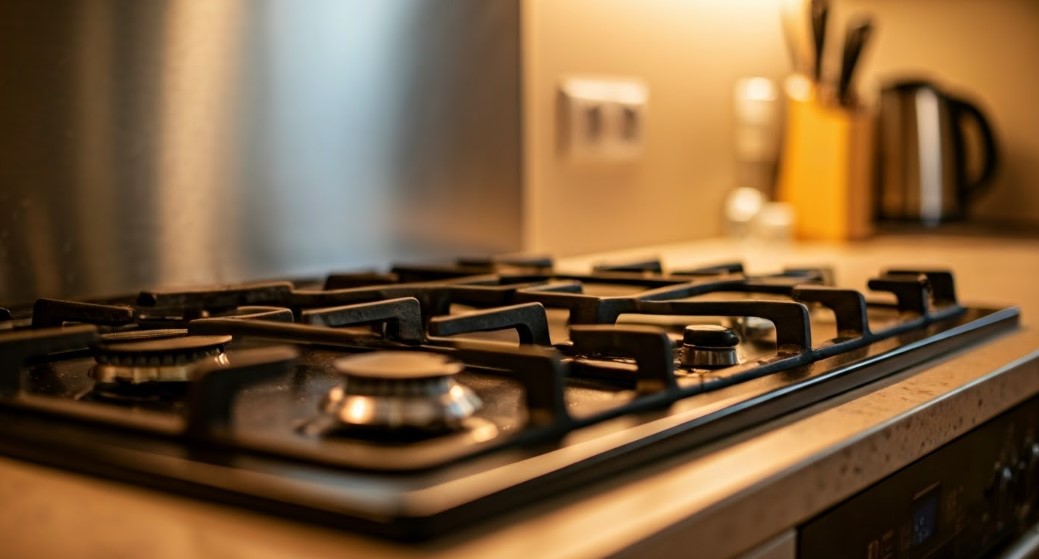
A good igniter is important for safely and effectively using your gas rangetop. If soot builds up on the igniter, it can stop the spark from forming, causing ignition issues. Knowing how to spot, fix, and prevent problems with soot on the igniter will help keep your rangetop working well. In this guide, we will discuss the common igniter problems in rangetops caused by soot deposits and provide step-by-step instructions on how to effectively clean and maintain them. By following these tips, you can ensure that your igniter functions optimally, promoting safety and efficiency in your kitchen. Let’s delve into the details of fixing igniter problems induced by soot accumulations to keep your appliance in top condition.
Common Symptoms of Igniter Issues Due to Soot Accumulation
Have you seen your rangetop acting weird? One big reason for igniter issues is soot buildup. This black dust can collect over time, especially if you don’t clean your burners often. So, how can you find out if soot is causing your igniter problems?
Watch for signs like delayed ignition. If your burner is taking longer than normal to light or needs several tries, soot may be blocking the spark. Also, if you hear a clicking sound from the igniter, that could mean soot is causing troubles. In severe cases, you might even smell a light gas odor from the slow ignition, which can be a dangerous sign.
How to Diagnose an Igniter Problem in a Rangetop
Diagnosing a problem with the igniter begins with looking at it closely. First, turn off the gas supply to your rangetop. When it’s safe, take off the burner grates, caps, and heads to see the igniter.
Look at the igniter for any damage, cracks, or a lot of soot build-up. If the igniter is damaged or very dirty, it is important to fix these problems to make sure it works properly again.
Cleaning and removing soot deposits from the igniter
Cleaning your igniter is an easy way to fix ignition problems. First, take a soft brush, like an old toothbrush, to carefully remove any loose soot or dirt from the igniter and nearby areas. If the soot is tough to get off, moisten a cloth with a mild detergent solution and gently wipe the igniter.
- Do not use harsh chemicals or strong cleaners, as they can harm the igniter.
- Make sure the igniter is fully dry before putting the burner parts back together.
- After cleaning, put the burner parts back and check the ignition.
By cleaning your igniter quickly, you can often fix ignition issues and improve your rangetop’s performance.
Checking and replacing the igniter if necessary
If cleaning the igniter doesn’t fix the issue, you may need to replace it. Check the igniter again for any wear, cracks, or damage. If you find any problems or the igniter is just worn out, you should get a new one.
To replace the igniter, look at your appliance’s user manual for clear instructions. Usually, you will need to turn off the power to the rangetop. Then, find and unplug the old igniter, and attach the new igniter. Finally, secure the new igniter and turn the power back on to get your rangetop working again. If you feel unsure about any step, ask a qualified technician for help.
Preventative measures to avoid future issues with the igniter
To prevent future igniter problems, you should clean regularly and keep good ventilation. Start by adding regular cleaning of your Wolf rangetop to your kitchen tasks. Wipe down the burners and nearby surfaces after each use to stop grease and food from building up.
- Get a good quality rangetop cover to keep your appliance safe from dust and debris when it’s not in use.
- Make sure your kitchen has good ventilation to avoid buildup of combustion byproducts like soot.
- Turn on your range hood or exhaust fan while cooking. This will help move fumes and moisture away from the cooktop.
By following these easy steps, you can lower the chance of having soot-related igniter issues. This will help your rangetop work well for years.
Conclusion
To keep your appliance working well, it is important to deal with igniter problems in rangetops caused by soot. Cleaning and maintaining it regularly can help avoid issues and make the appliance last longer. If you still have problems, you can find professional services or replacement parts for serious cases. Ignoring these issues can lead to safety risks, so it’s key to act quickly. You should also improve ventilation to lessen soot build-up and possible igniter issues. For more detailed tips on maintaining your appliance, check out our complete guide on Removing Smoke Residue from Range Control Panels.
Frequently Asked Questions
What professional services or products are available for addressing severe soot-related igniter problems in rangetops?
For heavy soot buildup, professional appliance repair services can give detailed cleaning and replace the igniter. There are also special products for cleaning rangetops. These can help you remove tough soot and grime.
Are there any safety concerns associated with igniter problems caused by soot in rangetops?
A dirty igniter can slow down the lighting process. This can cause gas to build up, which might lead to explosions. Always make sure there is good airflow and take care of any gas smell right away.
How does environmental factors or ventilation impact the likelihood of soot buildup affecting igniters in rangetops?
Environmental factors like bad ventilation can cause soot to build up. This affects the igniters in rangetops. When there isn’t enough airflow, soot collects, which harms the igniter’s performance. Good ventilation can stop soot deposits from forming. This ensures that the igniter works well.