
 Find Wolf Appliance Repair Near You
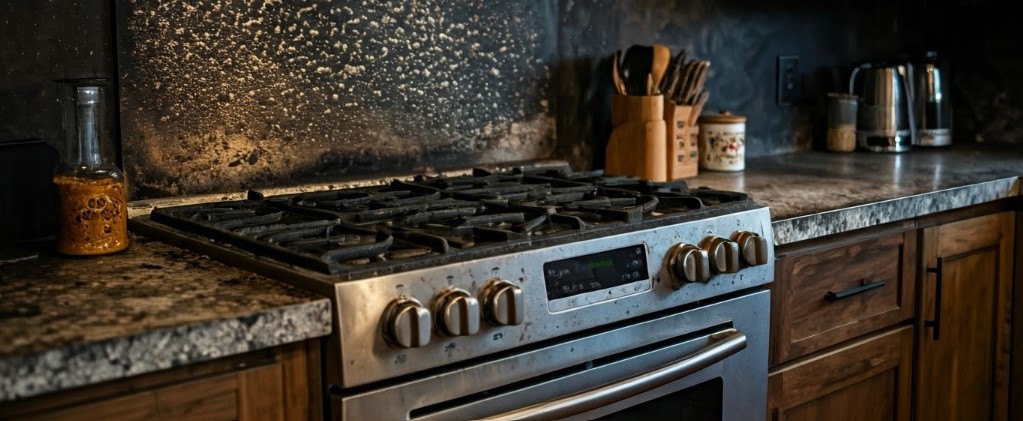
Living in California usually involves handling the effects of wildfires. One of these effects is the stubborn residue they leave behind. Cleaning wildfire residue from your Wolf rangetop or other brands needs a focused cleaning process. Unlike normal kitchen messes, wildfire residue has small bits of soot and ash that can scratch surfaces and are hard to wipe away. This guide will show you the steps on how to remove wildfire residue from your rangetop safely and effectively.
Identifying Wildfire Residue on Your Rangetop
Wildfire residue is different from regular cooking messes. Knowing how it looks can help you decide the best way to clean it. Unlike grease or food spills, wildfire residue is usually dry and powdery.
Check for a thin layer of gray or black soot on your rangetop. You might see tiny ash bits or feel a rough texture. If you think there is wildfire residue, clean it up right away. The longer it stays, the harder it is to remove.
Common Characteristics of Wildfire Soot and Ash
Wildfire soot and ash are made up of small burnt particles. These tiny pieces can get into cracks and stick to surfaces. Unlike regular dust, wildfire leftovers often smell like smoke, even after the fire is gone. These particles can be harsh, so you should avoid strong scrubbing. It can harm your rangetop.
Additionally, depending on what was burned in the wildfire, the residue may have acidic or harmful parts. These tiny parts can possibly scratch or change the color of some rangetop materials.
Safety Precautions Before Starting the Cleaning Process
Safety is very important when you clean up after a wildfire. Before you start cleaning, make sure the rangetop is completely cool. If the surface is hot, it can damage the appliance and create safety risks.
Wear gloves to keep your skin safe from any irritating particles in the wildfire residue. Soot and ash can make your skin dry. If your skin is sensitive, try to limit contact. Also, make sure the area has good air flow to avoid breathing in any leftover particles. Open windows or turn on exhaust fans to help fresh air come in.
Initial Steps to Safely Remove Loose Residue
Before using cleaning products, remove any loose wildfire residue from your rangetop. This helps to prevent scratches while you clean and makes the cleaning better.
You can use a soft-bristled brush, a microfiber cloth, or a vacuum with a brush head to gently lift the loose soot and ash. Do not use rough sponges or abrasive pads. These can scratch the surface, especially if it is delicate.
Gently Removing Ash Without Scratching the Surface
When you clean a rangetop, especially after a wildfire, it’s important to be gentle. Ash particles might look small, but they can scratch. Using too much force or harsh materials can cause tiny scratches. These scratches can trap dirt and ruin the look of your rangetop.
Instead, use a very light touch. Think of it as dusting, not scrubbing. Move your cleaning tool back and forth lightly. This helps to lift the ash without pushing it into the surface. If you’re using a vacuum cleaner, make sure the brush touches the rangetop. This will stop loose ash from scratching it.
Preparing the Rangetop for Deep Cleaning
Once you remove the loose dirt, you can start cleaning your rangetop better. Remember those harmful elements we talked about? This step helps to neutralize them so they don’t cause any damage.
Use warm water and mild dish soap for a simple cleaning solution. Dip a soft cloth in the soapy water, squeeze out the extra, and gently wipe down your rangetop. This first cleaning gets rid of leftover dirt and prepares the surface for deeper cleaning. If you see tough spots, do not scrub hard. We will deal with those in the next step.
Selecting the Right Cleaning Agents
Choosing the right cleaning products is important for taking off wildfire residue without hurting your rangetop. Different rangetop materials can respond differently to cleaners. It is vital to pick a cleaning solution that is safe for your rangetop’s surface.
Always check your rangetop’s manufacturer’s instructions for the best cleaning products. This step is easy to forget but can help you avoid problems from using the wrong cleaners.
Homemade Solutions vs. Commercial Cleaners
When you think about cleaning agents, you have options like homemade solutions and store-bought cleaners. The right choice depends on how tough the mess is and how you feel about using different ingredients.
For a softer approach, homemade solutions can work well. Here are some you can try:
- Baking soda paste: Just mix baking soda with a bit of water to create a paste. Put it on the dirty spot and let it sit for a few minutes. Then, gently wipe it away.
- Vinegar solution: Combine equal parts of water and white vinegar. This can help break down hard-to-remove residue. Spray it on the surface, let it sit for a few minutes, and then wipe it clean.
If homemade solutions don’t work, you can use commercial cleaners. Look for those made just for rangetops as they can effectively tackle grease, grime, and burnt food.
Ingredients to Avoid to Prevent Damage
While there are many cleaning products that can get rid of wildfire residue, you should be careful. Try to avoid strong chemicals. These chemicals can harm your rangetop’s surface. Even though they are often used in household cleaners, they can scratch, change color, or dull some materials forever.
You want to clean your rangetop, not ruin its protective finish. Here are ingredients to stay away from and better options to use:
|
Ingredient to Avoid |
Potential Damage |
Safer Alternative |
|
Harsh Abrasives (like steel wool or scouring pads) |
Scratches and surface damage |
Soft sponge, microfiber cloth, baking soda paste |
|
Chlorine Bleach |
Color change and etching |
Oxygen bleach or white vinegar |
|
Ammonia-Based Cleaners |
Streaks, discoloration, and potential damage to some finishes |
Mild dish soap or baking soda solution |
Always test any cleaner, whether it’s homemade or store-bought, on a small area of your rangetop first.
Conclusion
In conclusion, it’s important to follow a careful method on how to remove wildfire residue from your rangetop safely. First, identify the residue. Then, take the necessary safety steps. Finally, choose the right cleaning products to help restore your rangetop without causing harm. You can use homemade solutions or store-bought cleaners. Just remember to focus on keeping your Wolf appliance safe. For more tips, check out our guide on Cleaning Electric Cooktops After Wildfires. Stay updated and take steps to protect your home after wildfires.
Frequently Asked Questions
How can I prevent wildfire residue from accumulating on my rangetop?
During wildfire season, keep your windows closed. Also, cover your rangetop when you are not using it. This will help reduce the amount of residue that settles. Covering your appliance is an easy way to avoid extra cleaning later. You can use a stovetop cover or a large piece of plastic wrap to protect it from dust and debris.
Are natural cleaning agents effective against tough wildfire residue?
Natural cleaning agents, like baking soda and vinegar, can work well on light to moderate wildfire residue. They are especially effective if used right away. You can make a paste with baking soda and water. Apply it gently and let it sit for a few minutes. This will help loosen the residue so you can remove it easier.
What should I do if traditional cleaning methods don’t remove the soot?
If normal cleaning methods do not work, try using a cleaner made for rangetops. You can also ask a professional cleaning service that knows how to handle wildfire cleanup. They know how to use the right products to clean tough soot and leftover dirt well.
Is it safe to use abrasive pads for removing stubborn residue?
- Do not use abrasive pads, steel wool, or harsh scrubbers on your rangetop.
- They can scratch the surface.
- These scratches can hold dirt and make it harder to clean later.
How often should I clean my rangetop during wildfire season?
During wildfire season, try to clean your rangetop more often. It’s best to do it after each use or when you see residue starting to build up. Cleaning frequently keeps your cooking surface clean. It also stops residue from piling up, making it easier to clean later.