
 Find Wolf Appliance Repair Near You
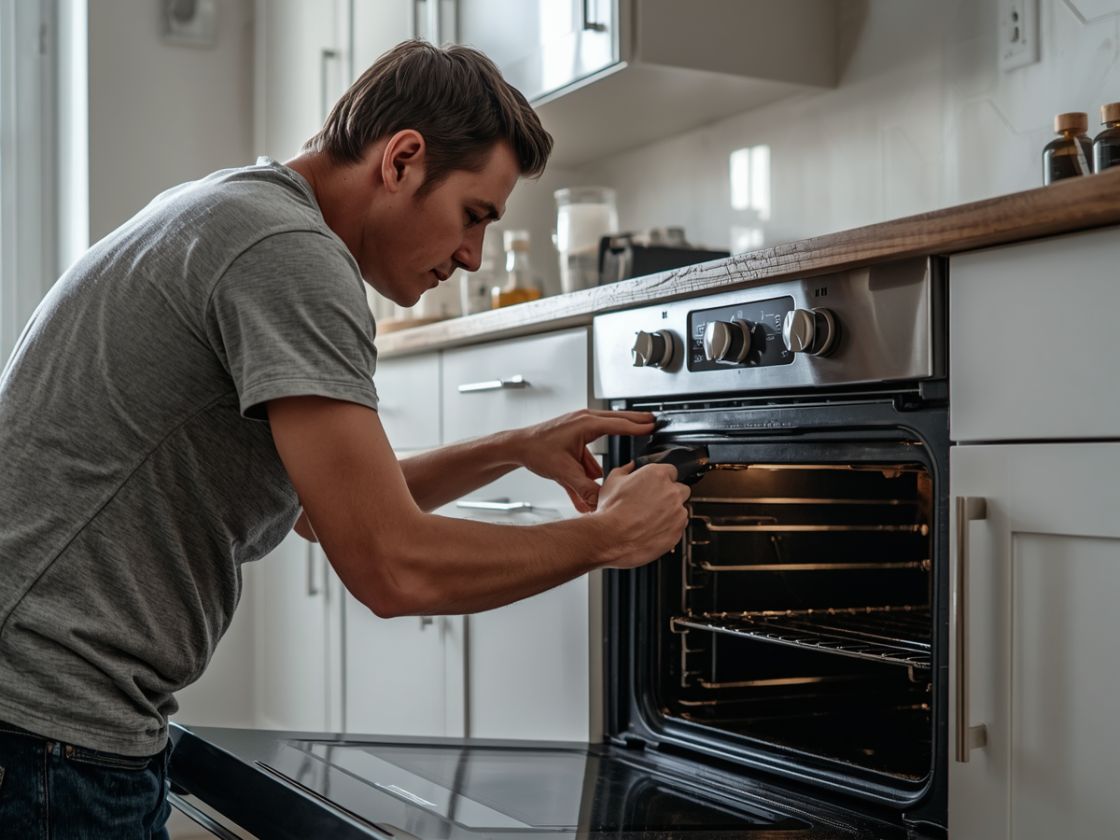
Los Angeles is known for its sunshine, coastal breezes, and vibrant lifestyle—but behind that beautiful climate lies a hidden challenge for homeowners: humidity fluctuations and persistent dust. While these elements may seem harmless, they can gradually affect the performance and longevity of high-end kitchen appliances, especially Wolf built-in ovens.
A Wolf oven is more than just a cooking appliance—it’s an investment in precision, performance, and culinary excellence. Protecting it from environmental stressors is essential if you want to maintain its reliability and premium functionality for years to come.
Why Los Angeles Climate Poses a Risk to Built-In Ovens
Despite its reputation for dry weather, Los Angeles experiences microclimates. Coastal areas often deal with higher humidity, while inland regions face dry heat mixed with airborne dust and pollutants.
Humidity can seep into sensitive electrical components, while dust particles accumulate in vents, fans, and internal systems. Over time, this combination can lead to:
- Reduced heating efficiency
- Corrosion of internal parts
- Malfunctioning controls or sensors
- Poor air circulation inside the oven
These issues don’t appear overnight, but their gradual buildup can significantly impact your oven’s performance.
How Humidity Affects Your Wolf Oven’s Internal Components
Moisture is one of the most damaging environmental factors for any appliance with electronic systems. In built-in ovens, humidity can infiltrate through small gaps or ventilation openings.
When moisture settles inside your oven:
- Electrical connections may corrode
- Circuit boards can experience short-circuiting
- Temperature sensors may give inaccurate readings
This can result in uneven cooking, longer preheating times, or even complete system failure if left unaddressed.
Keeping humidity levels under control in your kitchen is a critical step in preserving your oven’s integrity.
The Silent Damage Caused by Dust Accumulation
Dust might seem like a minor inconvenience, but in a kitchen environment, it becomes more problematic. Cooking grease and airborne particles combine with dust, creating a sticky residue that clings to internal and external surfaces.
Over time, dust buildup can:
- Block ventilation systems
- Cause overheating due to restricted airflow
- Reduce the efficiency of cooling fans
- Affect door seals and hinges
In Los Angeles, where dust from traffic and dry winds is common, regular maintenance becomes even more essential.
Smart Placement and Kitchen Ventilation Strategies
One of the most effective ways to protect your Wolf built-in oven starts with proper placement and ventilation.
Consider these strategies:
- Ensure your oven is installed away from direct sunlight or exterior walls prone to moisture
- Use high-quality range hoods to minimize airborne grease and particles
- Improve kitchen ventilation with exhaust fans or open windows when cooking
- Avoid placing the oven near sinks or dishwashers where moisture levels are higher
Good airflow not only enhances your cooking experience but also prevents environmental damage from accumulating inside your appliance.
Daily Habits That Help Protect Your Oven
Small daily habits can make a significant difference in keeping your Wolf oven in peak condition.
- Wipe down exterior surfaces after cooking to prevent dust and grease buildup
- Keep the oven door closed when not in use to limit dust entry
- Avoid using excessive water when cleaning nearby surfaces
- Check and clean ventilation openings regularly
Consistency is key. These simple routines can prevent long-term damage and reduce the need for costly repairs.
Deep Cleaning Without Causing Damage
While regular wiping helps, deep cleaning is necessary to maintain optimal performance. However, improper cleaning methods can do more harm than good.
Follow these safe practices:
- Use non-abrasive cleaners specifically designed for high-end appliances
- Avoid spraying liquids directly into vents or control panels
- Remove racks and clean them separately
- Allow all components to dry completely before reassembling
If you’re unsure about handling certain components, it’s best to consult professionals rather than risk damaging delicate parts.
For additional DIY maintenance guidance, check out this helpful resource:
DIY Tutorial: How to Replace a Broken Rangetop Knob Stem
Seasonal Maintenance for Long-Term Performance
Los Angeles seasons may be mild compared to other regions, but seasonal changes still impact your home environment.
During humid months:
- Use a dehumidifier in your kitchen if necessary
- Monitor condensation around appliances
- Increase ventilation during cooking
During dry, dusty periods:
- Clean vents and filters more frequently
- Dust surrounding cabinetry and surfaces
- Inspect seals and insulation for wear
Scheduling seasonal checkups ensures your oven adapts well to environmental changes without compromising performance.
Warning Signs Your Oven Needs Attention
Even with preventive care, it’s important to recognize early signs of damage caused by humidity and dust.
Watch out for:
- Uneven cooking or inconsistent temperatures
- Strange noises from fans or internal components
- Visible dust buildup inside vents
- Error codes or unresponsive controls
- Longer preheating times
Addressing these issues early can save you from more extensive and expensive repairs down the line.
Professional Maintenance Makes a Difference
While DIY care is essential, professional servicing provides a deeper level of protection. Certified technicians can inspect internal components, clean hard-to-reach areas, and ensure everything functions as intended.
For homeowners who want expert assistance, Wolf Appliance Repair Expert offers specialized services tailored to maintaining and restoring Wolf appliances.
Professional care not only resolves existing issues but also helps prevent future problems caused by environmental factors.
Protecting Your Investment for Years to Come
A Wolf built-in oven is designed for durability and high performance, but like any premium appliance, it requires proper care to reach its full lifespan.
By managing humidity, minimizing dust exposure, and maintaining consistent cleaning habits, you can:
- Extend the life of your oven
- Maintain cooking precision
- Avoid costly repairs
- Preserve the value of your kitchen investment
Taking proactive steps today ensures your appliance continues to deliver exceptional results for years.
Frequently Asked Questions
- How often should I clean my Wolf built-in oven to prevent dust buildup?
Light cleaning should be done weekly, while deeper cleaning can be scheduled monthly or as needed depending on usage. - Can humidity really damage oven electronics?
Yes, prolonged exposure to moisture can corrode electrical components and affect overall performance. - What’s the best way to reduce dust in my kitchen?
Regular cleaning, proper ventilation, and using air purifiers can significantly reduce dust levels. - Is professional maintenance necessary every year?
Annual servicing is highly recommended to ensure all internal components are clean and functioning properly. - Are built-in ovens more vulnerable to environmental factors?
Built-in ovens can be more exposed to trapped heat, dust, and limited airflow, making regular maintenance even more important.
Final Thoughts
Living in Los Angeles comes with many perks, but the combination of humidity and dust requires extra attention when it comes to appliance care. Protecting your Wolf built-in oven doesn’t require complicated steps—just consistent habits, smart maintenance, and occasional professional support.
By staying proactive, you not only safeguard your appliance but also enhance your cooking experience every day. A well-maintained oven is the heart of a functional kitchen—keep it clean, protected, and ready to perform whenever inspiration strikes.