
 Find Wolf Appliance Repair Near You
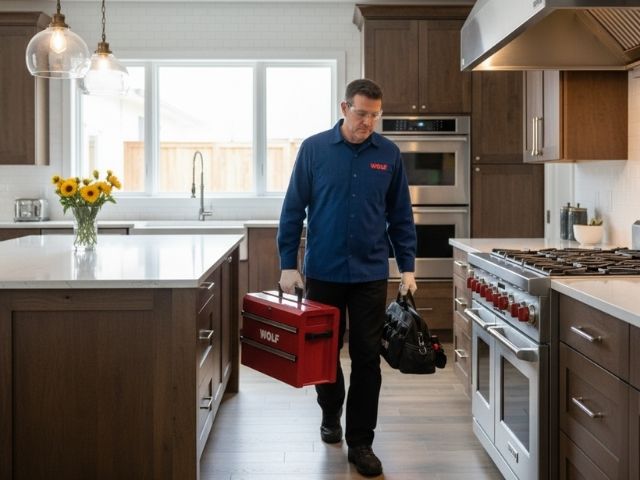
In the world of luxury kitchen appliances, Wolf stands tall — synonymous with precision, power, and sleek design. From their renowned gas ranges to high-performance built-in ovens and induction cooktops, Wolf appliances are built to last. But even the finest craftsmanship isn’t immune to wear, tear, and occasional malfunctions. And when things go wrong, knowing when to call in a Wolf repair specialist isn’t just smart — it’s essential.
Whether you’re a passionate home chef, a busy professional, or someone who simply loves a reliable kitchen, your Wolf appliance plays a crucial role in your culinary routine. This guide explores the top signs that it’s time to bring in the pros — and why DIY solutions often fall short when dealing with high-end brands like Wolf.
Precision Demands Precision: Why Wolf Appliances Require Specialist Repairs
Before diving into the signs, let’s make one thing clear: Wolf appliances aren’t ordinary. Their advanced technology and custom-engineered parts demand trained eyes and certified tools.
Unlike generic appliance brands, attempting to fix a Wolf range or oven without proper expertise can void warranties, create bigger (and more expensive) problems, or even pose safety risks. That’s why calling a certified Wolf repair specialist is not just a matter of convenience — it’s a necessity.
1. Inconsistent Oven Temperatures
If your soufflé comes out undercooked one day and burnt the next, it’s a clear sign something’s off. Wolf ovens are designed for precise temperature control, so fluctuations in heat levels can signal:
- A malfunctioning temperature sensor
- A faulty thermostat
- Issues with the control board
While a standard repair tech might guess the problem, a Wolf-certified specialist will use diagnostic tools specifically designed for Wolf models — ensuring an accurate fix the first time.
2. Gas Burners That Won’t Ignite Properly
When your gas cooktop takes longer than usual to ignite — or doesn’t light at all — you may have:
- Blocked burner ports
- Ignition system failure
- Gas line or valve issues
Wolf gas ranges have a unique spark ignition system that varies slightly across models. An experienced specialist will understand these differences and make quick, effective adjustments without compromising the appliance’s safety or performance.
3. Error Codes Displayed on Control Panels
Wolf appliances are smart. When something’s wrong, they often tell you — usually in the form of an error code.
Codes like EC24 or F1 can indicate sensor malfunctions, electronic glitches, or overheating issues. But here’s the catch: without proper training and access to the Wolf technical manuals, interpreting these codes correctly can be a guessing game.
A certified specialist not only understands the codes but also knows how to clear them permanently by addressing the root issue.
4. Excessive Noise or Clicking Sounds
Wolf appliances are known for their quiet operation. So, if you suddenly hear excessive fan noise, buzzing, or continuous clicking:
- Your convection fan might be out of balance
- A faulty igniter could be clicking non-stop
- The cooling fan motor may be wearing out
Ignoring these noises can escalate to costly repairs or permanent damage. A specialist can quickly identify worn components and replace them with genuine Wolf parts.
5. Oven Takes Too Long to Preheat
A high-performance Wolf oven should reach temperature quickly. If you find yourself waiting 15-20 minutes or longer just to reach 350°F, you may be facing:
- Failing bake or broil elements
- Thermostat or control board issues
- Door seal problems causing heat loss
A Wolf repair specialist knows how to test the heating components properly and ensure your appliance is operating at factory performance levels again.
6. Cooktop Glass or Grates are Cracked or Warped
Wolf’s sleek glass induction cooktops and cast-iron grates are designed for durability, but accidents happen. If you notice:
- Hairline cracks in the glass
- Warped or rusted grates
- Signs of surface bubbling or discoloration
These aren’t just cosmetic problems. Cracks and warping can affect heat distribution, compromise safety, and reduce cooking efficiency. A Wolf technician will determine whether the issue is fixable or if part replacement is necessary.
7. Electrical or Display Panel Issues
When your control panel becomes unresponsive, flickers, or shows scrambled data, it could be:
- A faulty control board
- Power supply issues
- Corrosion or internal wiring damage
Wolf’s electronic systems are not universal. Attempting to reset or tinker with them without proper knowledge can damage sensitive circuitry. A Wolf repair specialist will run a complete diagnostic scan and restore full functionality.
8. Overheating or Burning Smell
A sudden burning odor or overly hot exterior surface is a serious red flag. It could be due to:
- Electrical short circuits
- Malfunctioning fan motors
- Blocked ventilation systems
This isn’t a time to wait and see. Call a Wolf repair expert immediately — they’re trained to handle electrical safety concerns and can replace compromised parts without delay.
9. Appliance Is Running Constantly (Or Not At All)
Whether it’s your Wolf warming drawer, oven, or cooktop, an appliance that runs endlessly or refuses to start is often experiencing:
- Faulty sensors or switches
- A stuck relay in the control board
- Communication failure between components
Specialists familiar with Wolf’s architecture can trace the failure point quickly, minimizing downtime and reducing risk of further damage.
10. You’ve Already Tried Basic Troubleshooting Without Success
You’ve reset the appliance, checked your circuit breaker, cleaned the burners, even called customer service… but the problem persists.
That’s when you know it’s time to escalate to a certified Wolf repair specialist who has:
- Access to factory-level diagnostics
- Experience with your specific model
- Authentic replacement parts backed by warranty
In short, when DIY doesn’t cut it — don’t gamble with your luxury investment. Get it professionally restored.
Why a General Appliance Technician Isn’t Enough
A general technician may be great with entry-level appliances, but Wolf requires brand-specific expertise. Here’s what you get with a certified Wolf repair expert:
- Training from Sub-Zero/Wolf factory programs
- Tools customized for Wolf components
- Full access to technical service bulletins and software updates
- Use of authentic, manufacturer-approved parts
- Preserved warranty and long-term peace of mind
Choosing the right specialist means fewer repeat issues, safer operation, and extended appliance lifespan.
The Value of Routine Maintenance
Not every repair stems from a breakdown. Sometimes, calling a Wolf repair expert for preventive maintenance is the smartest move you can make.
Here’s what a typical checkup can include:
- Cleaning and inspecting burners and igniters
- Testing temperature accuracy
- Checking wiring for signs of wear or corrosion
- Updating firmware on smart appliances
- Replacing filters or seals
Routine service helps you avoid costly surprises and keeps your kitchen operating like a finely tuned machine.
Questions to Ask Before Hiring a Wolf Repair Specialist
- Are you certified to repair Wolf appliances?
Always verify credentials. Wolf technicians are trained directly by the brand. - Do you use OEM (Original Equipment Manufacturer) parts?
This ensures compatibility and longevity. - Do you offer a warranty on your repairs?
A good technician stands by their work with at least a 90-day parts and labor warranty. - Do you provide same-day or next-day service?
For busy homeowners, turnaround time matters. - Can you service built-in appliances or luxury kitchens?
Some technicians aren’t equipped for custom installations. Always confirm.
What to Expect During a Professional Wolf Repair Visit
A Wolf-certified repair experience is unlike a standard appliance checkup. Here’s what it usually looks like:
- Thorough diagnosis using manufacturer tools
- Explaining the problem clearly and offering options
- Transparent pricing with no hidden fees
- Clean, respectful service that protects your home
- Fast part replacements thanks to access to Wolf’s supply chain
The result? A fast, accurate, and stress-free repair that restores your appliance — and your confidence in it.
Protecting Your Investment Long-Term
Wolf appliances are an investment in culinary excellence. But even the best tools require care. Here’s how you can protect that investment:
- Schedule annual maintenance
- Address small issues early before they become major
- Keep your appliance manuals and warranty info handy
- Partner with a trusted Wolf repair service
It’s not just about fixing a problem. It’s about keeping your kitchen running at its full potential for years to come.
Conclusion: Don’t Wait — Act When the Signs Appear
Your Wolf appliance wasn’t built for ordinary — and neither should your service experience be. Whether it’s fluctuating temperatures, persistent error codes, or unusual noises, knowing the signs of trouble early can save you money, time, and headaches.
When you spot any of the symptoms mentioned in this article, don’t hesitate. Call a Wolf repair specialist who knows your appliance inside and out. With the right help, you can bring your Wolf appliance back to peak performance and enjoy the seamless cooking experience it was designed to deliver.
Because in a kitchen powered by Wolf, excellence isn’t optional — it’s expected.