
 Find Wolf Appliance Repair Near You
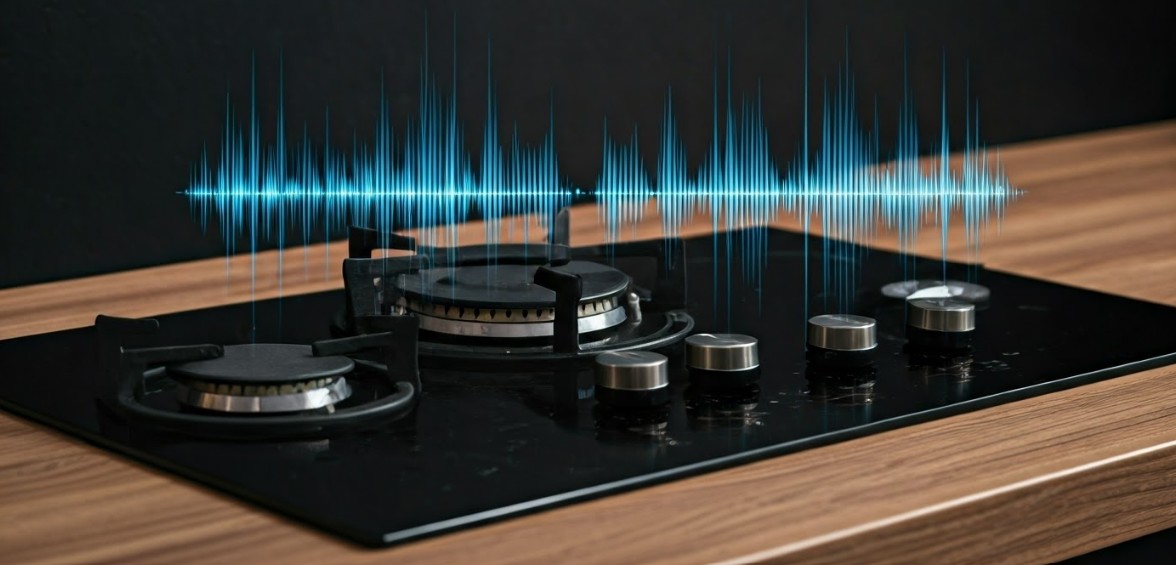
When the cooktop is making strange noises, it can be very annoying. It’s important to remember that trying to fix complicated appliances like cooktops by yourself can be risky and could cause more problems. This guide will help you learn how to recognize common cooktop noises and offer some simple fixing tips. If you have ongoing or complicated issues, it’s best to get professional help.
Understanding Cooktop Noises: A Primer
Cooktops, whether they are gas or electric, create sounds when they operate. Some sounds are normal. Others could mean there are problems that need fixing. Knowing the difference between normal sounds and those that may cause worry is important. It helps you act quickly to avoid damage or safety risks.
Identifying Common Cooktop Noises
- Clicking Noises: These sounds usually come from the ignition system, especially in gas cooktops. A few clicks during ignition are normal. However, if you hear clicking all the time, even when the burner is off, it could mean the igniter switch is faulty, something is blocking the ignition, or there are gas supply problems.
- Buzzing or Humming Noises: These noises are mostly linked to electric cooktops. They usually come from the cooktop’s electrical parts. A soft hum is often okay, but a loud buzzing could mean there is loose wiring, a heating element is not working, or there is a problem with the cooling fan.
- Popping Noises: You might hear these sounds in both gas and electric cooktops. They can mean there is a serious issue. In electric cooktops, popping may happen because of a blown fuse, a short circuit, or a bad heating element. In gas cooktops, popping sounds might show there is a gas flow problem or an issue with the burner cap.
Preparing to Troubleshoot Your Noisy Cooktop
To fix your Wolf cooktop or other brand, you can sometimes follow an easy process. However, you need to prepare well to keep safe and effective.
Essential Tools and Resources You’ll Need
Before fixing your noisy cooktop, gather these tools: User Manual for safety tips and troubleshooting, Phillips and flat-head screwdrivers, cleaning supplies for burner maintenance, and a flashlight to inspect parts. This guide provides basic troubleshooting tips; seek professional help if needed.
Safety First: Precautionary Measures Before You Begin
When troubleshooting, it is best to ensure safety. Cut off power to the cooktop: unplug electric models or turn off gas supply for gas models. Wait for the cooktop to cool down before inspecting or cleaning to prevent burns. Use gloves when handling cleaning solutions or sharp debris.
A Beginner’s Step-by-Step Guide to Diagnosing Cooktop Noises
If your cooktop is making strange noises, don’t worry! This simple guide will help you find out where the sounds are coming from. Always keep safety first. Check your cooktop’s user manual before trying any repairs.
By looking into possible problem areas one by one, you can usually find the cause of the noise. This will help you know if it’s something you can easily fix or if you need to call a professional. If you are ever unsure, it’s a good idea to contact a qualified technician for help.
Step 1: Inspect the Surface Burners for Obvious Signs of Wear
Start by looking closely at the surface burners for any obvious damage or wear. If you can, take off the burner caps and grates. This will help you see the burner heads and the area around them better. Check for cracks, chips, or color changes on the burner heads. These issues can change the flame pattern in gas cooktops or affect how well electric ones heat up. This could also cause odd noises.
Look for any food waste or spills near the burner heads. Buildup here can block gas flow or affect the electrical connections, which may lead to noises when you use them. If there is a lot of debris, clean the burner heads and the cooktop surface well with the right cleaning solutions from your user manual. Remember to let everything dry all the way before you put it back together.
Step 2: Check the Igniters and Electrical Connections
If Step 1 does not find the source of the noise, especially if you hear clicking sounds when starting, you should check the igniters and electrical connections. Find the igniters, which are usually small ceramic or metal pieces placed near each burner head.
Look closely at the igniters for any damage, like cracks, breaks, or rust. These problems can affect the spark needed for ignition, leading to continuous clicking sounds or trouble lighting the burners. Also, check the wires that connect the igniters to make sure they are tight and not worn, melted, or damaged. Loose or broken electrical connections can cause sparking, buzzing, or irregular burner ignition.
Step 3: Examine the Gas Lines and Regulator
If you own a gas cooktop and hear a hissing sound, it’s crucial to inspect the gas lines and regulator for potential leaks. Remember, gas leaks are extremely dangerous and require immediate attention from a qualified technician.
Begin by visually inspecting the gas line that connects your cooktop to the gas supply valve. Look for any signs of damage, such as cracks, kinks, or loose connections. Additionally, check the area around the gas regulator, which is typically a bell-shaped device installed on the gas line, for any visible signs of leaks or damage. Pay attention to any unusual odors, as gas leaks are often accompanied by a distinct sulfur-like smell.
| Issue | Description | Solution |
|---|---|---|
| Loose Gas Line Connection | A hissing sound, especially when the burner is turned on, could indicate a loose connection on the gas line. | Tighten the connection carefully using a wrench, ensuring it’s secure but not over-tightened. |
| Faulty Gas Regulator | A malfunctioning gas regulator can cause pressure fluctuations, resulting in hissing or whistling sounds and inconsistent flame patterns. | Contact a qualified technician to inspect and replace the regulator if necessary. |
Contact Wolf Appliance Repair Expert for Reliable Service
Trying to fix a broken appliance by yourself can sometimes make things worse. This is especially true for gas lines, electrical parts, and complicated appliance systems. It’s best to let the experts handle it. At Wolf Appliance Repair Expert, we have the skills, knowledge, and tools needed to safely and effectively fix your cooktop. We know that a broken appliance can upset your daily life. That’s why we provide quick and dependable service calls, efficient repairs, and clear updates during the whole process. Don’t let a noisy or faulty cooktop stress you out. Reach out to us today for expert appliance repair services.
Conclusion
Keeping your cooktop in good shape is important for your kitchen to work well. Knowing the usual sounds and why your cooktop is making strange noises can help you find problems. Follow our simple guide to fix any issues. Always remember that safety comes first when checking your cooktop. If you need help or repairs, feel free to reach out to Wolf Appliance Repair Expert. You can also find more DIY tips on our blog about How to Replace a Broken Cooktop Surface Element. Happy cooking!
Frequently Asked Questions
Can a dirty cooktop cause unusual noises?
A dirty cooktop can cause some strange noises. When food, grease, and spills pile up, they can block the burner parts. This can stop gas from flowing properly and even affect electrical connections. As a result, you may hear clicking, buzzing, or popping sounds when it’s working.
Is it safe to use my cooktop if it’s making a hissing sound?
It is not safe to use a cooktop that makes a hissing sound, particularly if it is a gas cooktop. A hissing sound usually means there is a gas leak. This is very dangerous and needs quick action. You should turn off the gas supply right away. Make sure to ventilate the area. Then, contact a qualified technician as soon as possible.
How often should I inspect my cooktop to prevent noise issues?
Regularly checking your cooktop can help you find problems before they get worse. It’s a good idea to look at your cooktop quickly once a month. During this check, see if there is any dirt, loose parts, or signs of damage.