
 Find Wolf Appliance Repair Near You
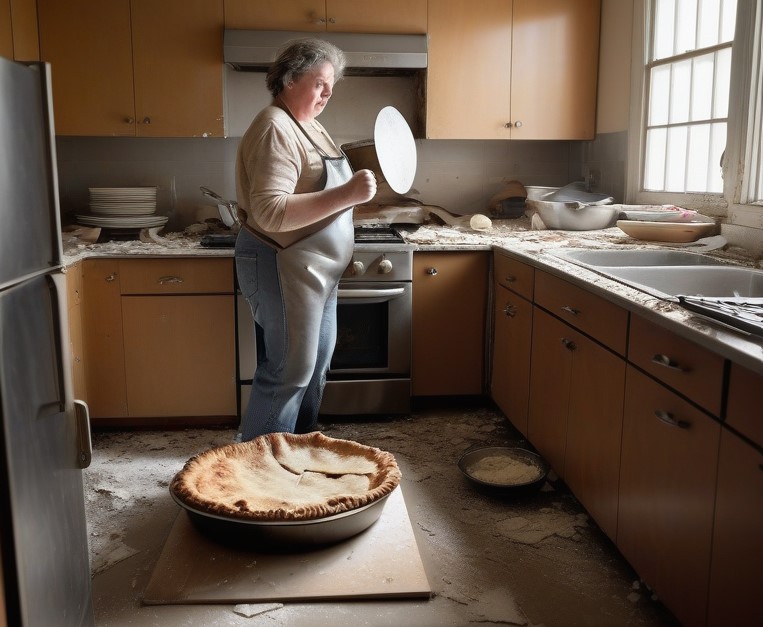
Facing a broken Wolf oven that won’t heat the way it should can throw off your cooking plans. This applies to both gas ovens and electric ovens. A key part of how these ovens work is the heating element. When this heating element or other parts fail, the oven cannot reach or hold the right temperature. This affects how you bake, roast, and cook in general.
In this blog, we will explore the top 5 causes of an oven not heating properly. Whether you’re a seasoned chef or just someone who enjoys cooking at home, understanding these common causes can help you troubleshoot and possibly even fix the issue yourself. Let’s dive in.
5 Leading Causes of an Oven Not Heating Properly
A broken oven can cause problems with cooking. There are many reasons why an oven might not heat up correctly. In this guide, we will look at the most common reasons. This way, you can figure out the problem and maybe fix it yourself. Knowing these causes helps you know what to do next, whether fixing it by yourself or getting a professional to help.
We will focus on five main reasons: issues with the heating element, thermostat, igniter (in gas ovens), door seal, and temperature sensor. Each part is important for the oven to heat well. If one of these parts does not work right, it can make your oven not work well.
1. Faulty Heating Element
The heating element makes the oven hot. If your oven isn’t warming up, it is often the main problem. Over time, the heating element can wear out and stop giving off heat.
Before you think the heating element is broken, check your circuit breaker. If the breaker for the oven has tripped, it can stop the electricity flow. This can make the heating element stop working. If the breaker keeps tripping when the oven is on, there could be a bigger electrical issue that needs professional intervention.
If the circuit breaker is fine, and the heating element looks damaged, like any blisters, breaks, or cracks, it probably needs to be replaced. You can look at your oven’s manual for help or hire a professional like Wolf Appliance Repair Expert to make sure the replacement is done safely and correctly.
2. Malfunctioning Oven Thermostat
The oven thermostat controls the temperature in your oven. It checks the inside temperature and tells the heating element when to turn on or off. This helps keep a steady cooking temperature.
If the thermostat isn’t working right, it may not signal the heating element correctly. This can cause uneven heating or the oven might not heat at all. You may notice changing temperatures, wrong readings on the display, or the oven not starting up.
If you think there is a problem with the thermostat, you should call a professional. Testing and replacing a thermostat takes special skills and tools to work safely and correctly.
3. Broken Igniter in Gas Ovens
For people with gas ovens, a faulty igniter can cause big heating issues. The igniter makes a spark to light the gas that goes to the burner. This step is very important for creating heat.
If the igniter is dirty, worn out, or broken, it might not spark. This means the gas will not light up and the oven will stay cold. If you hear a clicking sound but don’t see a flame, it usually means the igniter is faulty.
To fix a broken igniter, you need to first turn off the gas supply. Next, clean the igniter with a toothbrush. Also, check that the pilot light hole is clear. If this does not solve the issue, you will need to replace the igniter. Check your oven’s manual for help, or contact a professional to make sure it is replaced safely.
4. Compromised Door Seal
The oven door seal helps keep heat inside the oven. It stops heat from escaping. Over time, the seal can wear out, crack, or become loose. When this happens, heat can get out. This can cause uneven cooking or make the oven cooler than expected.
You should check the oven door seal regularly. Look for gaps, cracks, or signs of damage. Make sure the seal fits tightly when the door is closed. Food spills and dirt can get stuck in the seal. This can make it work less well, so clean it often.
If the door seal is damaged, you might need to fix it or get a new one. Sometimes, a simple adjustment may help it fit better. Other times, you may need to replace it completely. This could need special tools and skills, so it’s a good idea to check your oven’s manual or ask a technician for help.
5. Defective Temperature Sensor
The temperature sensor is often found in the back of the oven. It checks the internal temperature and sends this information to the control board. The control board uses this info to manage the heating element. If the temperature sensor breaks, it can mess up this process. This can lead to wrong temperature readings and uneven heating.
A broken temperature sensor can show up in different ways. You might see wildly wrong temperature readings on the oven’s display. In some cases, the oven might not even reach the set temperature.
If you think your temperature sensor is faulty, it’s best to call a trained technician. They can diagnose the issue and possibly replace it. Trying to fix the temperature sensor by yourself can be dangerous and might cause more damage.
Diagnosing the Issue: Steps to Identify the Cause
Before you try to fix your oven, you need to find out why it is not heating. Figuring out the problem correctly will help you take the right steps. This will save you time and might stop more damage to your oven.
The next parts will help you check different parts of your oven. Remember to stay safe: unplug the oven before you start looking at it or fixing it. Look at your oven’s manual for detailed instructions and diagrams for your model.
Checking the Heating Element
The heating element is one of the first things to check when your oven is not heating properly. First, make sure the oven is completely cool and turned off from the power source.
- Find the heating element: It is usually at the bottom for baking and at the top for broiling.
- Check visually: Look for signs of damage like blisters, cracks, or breaks on the element.
- Test continuity (for electric ovens): Use a multimeter set to continuity. Touch the probes to the heating element’s terminals. If it beeps, the element works. If it doesn’t make a sound, it may be broken and needs to be replaced.
Be careful when working with electrical parts. If you feel unsure about handling these, it is better to call a qualified technician for help.
Testing the Oven Thermostat
If the heating element looks okay, check the oven thermostat next. The thermostat controls how hot the oven gets. If it’s not working right, it can cause uneven heating.
- Find the thermostat: It is usually behind the control knob or buttons on the panel.
- Look for damage: You might not see much, but check for any visible damage or loose wires.
- Test with a multimeter: To test the thermostat, you need to reach its terminals. This can be tricky. Look at your oven’s manual for help. If you feel unsure, it’s best to get help from a professional.
When testing the thermostat, check its continuity at different temperatures. If the multimeter does not show continuity as the temperature changes, the thermostat could be broken and needs to be replaced.
Inspecting the Igniter and Gas Flow
For gas ovens, the igniter is important. It lights the gas and helps the oven to heat. If your oven is not heating up, check the igniter.
- Safety First: Always turn off the gas supply before checking anything.
- Locate the igniter: Look in your oven’s manual to find out where the igniter is. It is usually located near the burner.
- Visual Inspection: Look for dirt, damage, or debris on the igniter. Clean it gently with a brush if you find any.
- Observe Ignition: Turn the gas supply back on. Watch the igniter as you start the oven. It should glow and create a spark to ignite the gas.
If the igniter does not spark or glows weakly, it may be worn out and need to be replaced. You should contact a qualified technician or a gas appliance expert to replace the igniter.
Examining the Door Seal for Leaks
A damaged oven door seal can cause your oven to lose heat. This might lead to uneven cooking or a cooler oven inside than you expect. Checking the seal is a simple but important part of finding heating issues.
- Visual Inspection: Look closely at the oven door seal. Run your fingers along it to feel for any gaps, cracks, or shapes that are not right.
- Check for Obstructions: Clear away any food spills or debris that might stop the seal from working well.
- The Dollar Bill Test: Close the oven door on a dollar bill with the bill sticking out a bit. Try pulling the bill gently. If it comes out easily, the seal may need fixing.
If you see gaps, cracks, or a loose seal, you might want to replace it. You can find new oven door seals at appliance parts stores or from the manufacturer.
Evaluating the Temperature Sensor’s Functionality
The temperature sensor plays an important role in keeping the oven at the right heat. If the sensor does not work well, it can give wrong temperature readings. This may cause uneven heating.
- Locate the sensor: Check your oven’s manual. The sensor’s position may be different in each oven. It is usually on the back wall.
- Visual Inspection: Look at the sensor closely. See if there is any damage or bending. Make sure it’s not touching the walls of the oven.
- Resistance Check: First, turn off and cool the oven. Then, use a multimeter to test the sensor’s resistance. Look in your oven’s manual for what the resistance should be when it is at room temperature.
If the sensor has visible damage or the resistance is not right, you will need to replace it. It is best to contact a skilled technician to install and calibrate the new sensor correctly.
Practical Solutions for Common Oven Heating Issues
Finding out why your oven is not heating well is the first step to fixing it. This part lists solutions for the common problems we talked about earlier. Always keep safety in mind.
Replacing a Burnt-Out Heating Element
Replacing a broken heating element is a common fix for gas and electric ovens. It’s important to be careful when dealing with electrical parts. With the right tools and safety measures, even DIY fans can do this job.
- Safety First: Always disconnect the power supply to the oven before you start.
- Locate and Remove: Find the broken element and pull off its wiring. Usually, screws or clips hold it in place.
- Installation: Put in the new heating element, making sure the terminals line up correctly, and secure it well.
- Reconnect Wiring: Carefully reconnect the wiring. Match the colors and check for any loose parts.
After you reconnect the power, turn on the oven. Test the new element to make sure it heats up properly.
Adjusting or Replacing the Oven Thermostat
A broken oven thermostat might need to be fixed or replaced. It’s a good idea to try fixing it first, but if it still doesn’t work, you may have to replace it.
- Calibration: Some ovens let you calibrate the thermostat. This means you can change the temperature setting a bit so that it matches the real oven temperature. Check your oven’s manual for the steps.
- Replacement: If calibration doesn’t solve the problem, you should replace the thermostat.
- Safety and Access: First, unplug the oven. Then, get to the thermostat. You may need to take off some control knobs or panels.
- Disconnection and Installation: Carefully take off the old thermostat’s wires. Connect the new thermostat, making sure everything is firmly attached. Then, put the oven back together.
Always test the oven after you work on the thermostat. This way, you can see if the temperature is working right again.
Fixing the Igniter and Ensuring Proper Gas Supply
A gas oven may not heat if there is a faulty igniter or issues with the gas supply. First, make sure to turn off the gas supply to the oven before trying to fix anything.
- Inspect and Clean: Find the igniter, which is usually close to the burner. Use a brush to gently clean it and remove any debris.
- Check the Gas Line: Look at the gas line going to the oven for any kinks, bends, or damage that may block gas flow.
- Verify Connections: Make sure all gas connections at the back of the oven are tight and secure.
- Replace if Needed: If cleaning and checking do not fix the issue, the igniter may need to be replaced. Check your oven’s manual for instructions or get help from a professional for safe replacement.
After you check the igniter or gas supply, carefully turn the gas back on and test the oven’s ignition.
Sealing Gaps in the Oven Door
A damaged oven door seal can stop the oven from keeping heat. Luckily, fixing the gaps in the oven door is usually easy.
- Clean the Seal: Use a mild cleaning solution and a soft cloth to clean the oven door seal. Make sure to get rid of any dirt or food debris.
- Adjust the Seal: If the seal looks loose or out of place, try moving it gently. This can help it fit better against the door.
- Replace if Necessary: If cleaning and adjusting don’t help, it might be best to replace the seal. New oven door seals are usually low-cost and can be bought at appliance parts stores.
- Sealing Kits: You can also use a high-temperature oven door seal repair kit for small gaps or tears.
After you fix the seal, check if it works better by doing the dollar bill test mentioned before.
Installing a New Temperature Sensor
Replacing a faulty temperature sensor requires care. It involves electrical parts and can affect how the oven works.
- Safety First: Before starting, turn off the power supply to the oven at the circuit breaker.
- Locating and Disconnecting: Find the temperature sensor, which is usually on the back wall. Carefully disconnect the wiring harness.
- Installation: Add the new sensor by threading it through existing brackets or holes. Make sure it’s positioned correctly.
- Reconnect and Test: Carefully reconnect the wiring harness to the new sensor. Secure any loose panels. Restore power and check the oven to ensure it gives accurate temperature readings.
If you are unsure about any step, call a qualified appliance repair technician for help with the replacement.
Conclusion
In conclusion, it is important to know why your oven is not heating properly. There can be several reasons, like a broken heating element or a door seal that is not tight. Each problem needs its own check and solution. By using the steps in this blog, you can help find the main issue and fix it. Remember, taking care of your oven and fixing problems quickly can help it last longer. It also makes sure your oven works well. For more tips on taking care of home appliances, check out our detailed guide on How to Clean Wolf Oven Safely and Effectively.
Frequently Asked Questions
How can I test my oven’s heating element at home?
To check your oven’s heating part at home, look for damage. Use a multimeter to test it. Disconnect it from power, measure resistance. No continuity means a broken part needing replacement. Safety first – always turn off the power before fixing ovens.
Is it safe to continue using an oven that is not heating properly?
Continuing to use a broken oven is not safe. It can cause fires, especially with gas ovens. It can also cook food unevenly or break more parts. It’s a good idea to find the problem and fix it quickly.
Should you repair or replace an oven that is not heating properly?
The choice to fix or change your oven depends on how bad the problem is, how old the oven is, and how much repairs will cost. If fixing it costs a lot compared to buying a new oven, getting a new one may be a better way to save money over time.