
 Find Wolf Appliance Repair Near You
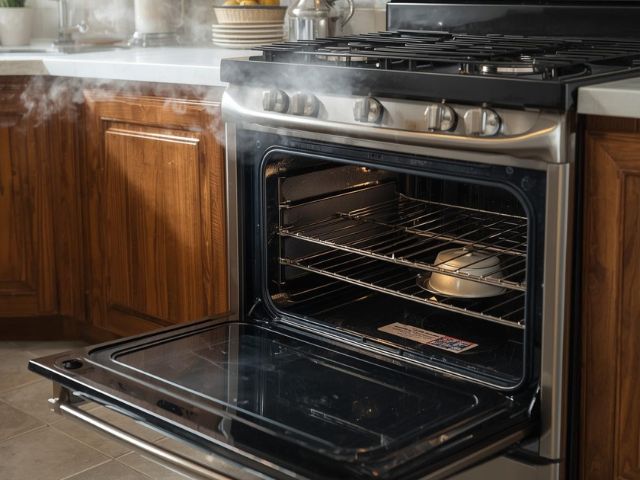
As a homeowner, few things are more alarming than detecting a gas odor coming from your kitchen, especially when it’s emanating from your premium Wolf oven. That unsettling smell can trigger immediate concern, and rightfully so. Understanding why does my oven smell like gas is crucial not only for your peace of mind but also for the safety of your household and property. While Wolf ovens are engineered with exceptional precision and safety features, even the finest appliances can develop issues that require immediate attention. This comprehensive guide will walk you through the potential causes, safety protocols, and solutions to address gas odors from your Wolf oven effectively.
Understanding Gas Odors: Normal vs. Concerning
Before diving into troubleshooting, it’s essential to distinguish between typical gas smells and those signaling a genuine problem. Natural gas is odorless by design, but utility companies add mercaptan, a sulfur-based compound that produces that distinctive rotten egg smell, to help detect leaks quickly.
Normal Gas Odor Situations:
- Brief smell when initially igniting your Wolf oven (dissipates within seconds)
- Faint odor immediately after turning off the gas supply
- Slight smell during the first few uses of a new oven as manufacturing residues burn off
Concerning Gas Odor Situations:
- Persistent smell that doesn’t dissipate after ignition
- Strong, overwhelming gas odor filling your kitchen
- Gas smell when the oven is completely turned off
- Odor accompanied by hissing sounds near gas connections
Immediate Safety Steps When You Detect Gas
Your safety is paramount. If you notice a strong gas smell, follow these critical steps immediately:
- Do not attempt to locate the leak yourself by lighting matches or using lighters. Avoid turning electrical switches on or off, as even a small spark could ignite accumulated gas. Refrain from using your phone inside the house, as this could also create a spark.
- Do open windows and doors immediately to ventilate the area. Turn off the gas supply valve if you can reach it safely without using electrical switches. Evacuate everyone from your home, including pets. Once outside and at a safe distance, call your gas company’s emergency line and 911. Do not re-enter your home until professionals declare it safe.
Common Causes of Gas Smells in Wolf Ovens
Understanding the root causes helps you communicate effectively with repair technicians and make informed decisions about your Wolf oven maintenance.
Faulty Igniter System
Wolf ovens utilize sophisticated ignition systems designed for optimal performance. However, when the igniter weakens or malfunctions, it may fail to ignite the gas promptly, allowing unburned gas to accumulate and create that telltale odor. An igniter that glows but doesn’t ignite the gas within a few seconds indicates a problem requiring professional replacement.
Damaged or Loose Gas Connections
The gas line connections to your Wolf oven must maintain perfect seals. Over time, vibrations from regular use, settling of your home’s foundation, or improper installation can loosen these connections. Even microscopic gaps can allow gas to escape, creating dangerous conditions. Professional-grade connections and regular inspections prevent these issues.
Worn or Defective Gas Valve
The gas valve controls the flow of fuel to your oven’s burners. When this component deteriorates, it may not close completely when the oven is off, allowing gas to seep out continuously. Wolf ovens feature premium gas valves, but like all mechanical components, they have a finite lifespan and may require replacement after years of service.
Cracked or Damaged Gas Lines
Gas supply lines can develop cracks, corrosion, or damage from various factors including age, improper installation, or physical impact. These compromised lines pose serious safety risks and demand immediate professional attention. Never attempt to repair gas lines yourself.
Burner Issues and Blockages
Food debris, grease buildup, or misaligned burner components can prevent proper gas combustion in your Wolf oven. When gas doesn’t burn completely, you’ll detect that characteristic odor. Regular cleaning and maintenance of burner assemblies ensure efficient operation and minimize gas odor incidents.
Improper Oven Ventilation
Wolf ovens require adequate ventilation to function safely and efficiently. Blocked vents or malfunctioning exhaust systems can trap combustion byproducts and unburned gas, intensifying odors. Ensuring your kitchen’s ventilation system operates correctly protects your indoor air quality.
Troubleshooting Steps for Homeowners
While some gas odor issues require professional intervention, homeowners can perform preliminary checks to identify obvious problems.
- Visual Inspection: Examine all visible gas connections for signs of damage, corrosion, or looseness. Check burner components for proper alignment and cleanliness. Look for any obvious cracks in gas lines or fittings. Inspect the area around your Wolf oven for any signs of gas line damage during recent renovations.
- Perform the Soap Test: For suspected connection leaks, create a solution of dish soap and water. Apply it to gas connections (only if you can do so safely). Bubbles forming at connection points indicate escaping gas. If you detect a leak, turn off the gas supply and contact professionals immediately.
- Check Burner Flames: When your Wolf oven operates, observe the flame color and pattern. Healthy flames burn blue with minimal yellow tipping. Excessive yellow or orange flames, irregular patterns, or flames that lift away from burners suggest combustion problems requiring professional adjustment.
- Clean Burner Components: If you’re comfortable doing so, remove and clean burner caps and grates according to your Wolf oven’s manual. Ensure all components are completely dry and properly reassembled before testing the oven.
Why Professional Diagnosis is Essential
Gas appliances demand specialized expertise that goes beyond general handyman skills. Here’s why professional service is non-negotiable for gas odor issues:
Certified technicians possess the training to safely diagnose and repair gas appliances. They utilize specialized detection equipment that identifies leaks invisible to the naked eye. Professional repairs ensure compliance with local codes and maintain your Wolf oven’s warranty coverage. Expert technicians have access to genuine Wolf replacement parts that match your oven’s exact specifications.
Attempting DIY repairs on gas appliances puts your family at risk and may violate local regulations. Gas work requires specific licenses and insurance for legitimate reasons—the stakes are simply too high for experimentation.
Preventing Gas Odor Issues in Your Wolf Oven
Proactive maintenance dramatically reduces the likelihood of gas-related problems with your Wolf oven.
- Schedule Annual Professional Inspections: Have qualified technicians examine your Wolf oven annually, checking all gas connections, testing ignition systems, and verifying proper combustion. These preventive visits identify potential problems before they become safety hazards.
- Maintain Cleanliness: Regular cleaning prevents grease and food debris accumulation that interferes with proper burner function. Clean spills immediately and perform thorough cleanings monthly, following Wolf’s recommended procedures for your specific model.
- Monitor Performance Changes: Pay attention to how your oven operates. Changes in ignition time, flame appearance, or unusual sounds often precede more serious problems. Addressing minor issues promptly prevents major failures.
- Ensure Proper Installation: If you’re installing a new Wolf oven or relocating an existing one, hire licensed professionals familiar with Wolf’s specific installation requirements. Proper installation establishes the foundation for years of safe, reliable operation.
When to Replace vs. Repair Your Wolf Oven
Sometimes repair makes perfect sense; other times, replacement proves more economical and safer. Consider these factors when making your decision:
Wolf ovens older than 15 years experiencing multiple issues may benefit from replacement rather than continued repairs. Frequent gas odor problems despite professional repairs indicate systemic issues warranting replacement. Availability and cost of replacement parts for discontinued models sometimes make new ovens more practical. Modern Wolf ovens offer enhanced safety features and energy efficiency that older models lack.
However, Wolf appliances are built to last, and quality repairs often extend their lifespan significantly. Professional technicians can provide honest assessments of whether repair or replacement serves your best interests.
Final Thoughts
Addressing why does my oven smell like gas requires immediate attention, careful assessment, and professional expertise. Your Wolf oven represents a significant investment in your home’s culinary capabilities, and protecting that investment means responding promptly to any gas odors. Never ignore these warning signs or attempt complex repairs yourself. The combination of Wolf’s premium engineering and professional maintenance ensures your oven operates safely and efficiently for years to come. Remember, when it comes to gas appliances, caution and professional service aren’t luxuries—they’re necessities that protect your home, family, and property value.
Expert Wolf Oven Repair Services Available Now
Don’t let gas odor concerns compromise your kitchen’s safety or functionality. Our certified technicians specialize in Wolf appliance diagnostics and repairs, providing prompt, professional service that restores your peace of mind. Contact Wolf Appliance Repair Expert today for same-day emergency service and comprehensive solutions to all your Wolf oven issues.
Frequently Asked Questions
Is it normal to smell gas when I first turn on my Wolf oven? A brief, faint gas smell lasting only a few seconds during ignition is normal as the gas flows before igniting. If the smell persists beyond 3-5 seconds or is strong, this indicates a problem requiring professional attention.
Can I continue using my Wolf oven if I occasionally smell gas? No, you should not use your oven if you detect gas odors, even intermittently. Discontinue use immediately and contact a certified technician to inspect the appliance before operating it again.
How often should I have my Wolf oven professionally serviced? Annual professional inspections are recommended for all gas appliances, including Wolf ovens. More frequent service may be necessary for ovens used heavily or showing any performance changes.
Looking for more insights on maintaining your premium Wolf appliances? Check out our previous blog, Why Wolf Appliance Repairs in Malibu Are on the Rise, to discover common issues affecting Wolf appliances and how proper maintenance protects your investment.