
 Find Wolf Appliance Repair Near You
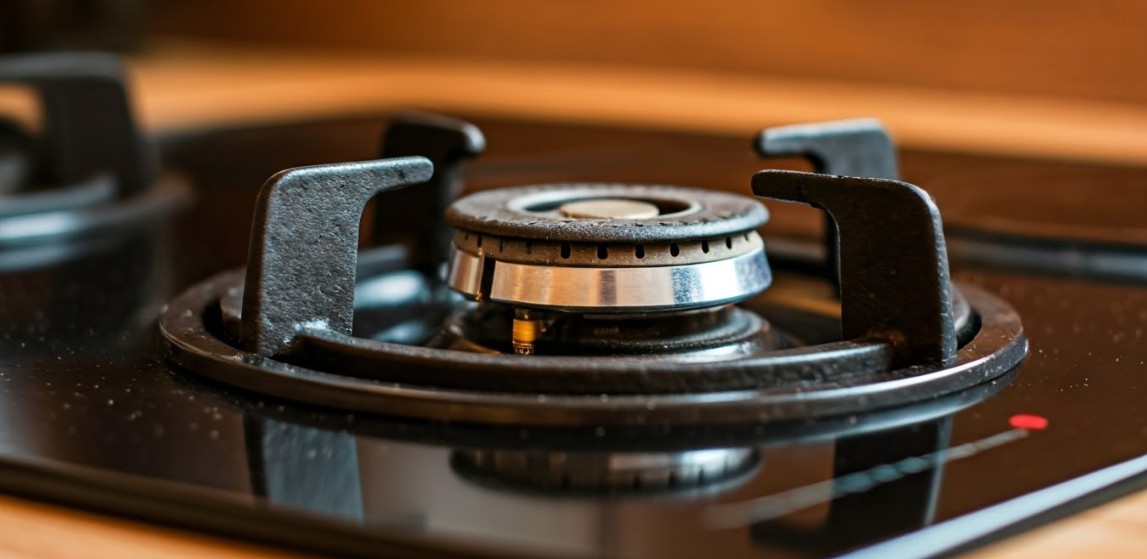
A gas range is a cooking tool found in many kitchens. It provides good heat control and heats up quickly. But dealing with weak flames can be very annoying. It can throw off your cooking and might show that your appliance has some problems. This handy guide will look at the common reasons why gas range flames too weak. It will also give you simple steps to help you fix and solve this issue efficiently.
Understanding Weak Flames on Your Gas Range
Weak flames on your gas range show that the flame height is too low or not regular, even when the burner is at its highest setting. Instead of a bright blue flame, you may see weak, yellowish flames that don’t provide the power needed for good cooking.
This problem can happen for many reasons. It could be something simple, like a blockage in the burner parts. Or it could be a more complex issue with the gas supply system. It is important to know the causes so you can fix this problem and improve your gas range’s performance.
Common Causes Behind Weak Flames
Several things can cause weak flames on a gas range. Here are some common reasons:
- Misaligned Burner Cap: The burner cap is important for sending gas evenly to the burner head. If it’s not aligned correctly, it can block gas flow. This can lead to weak or uneven flames.
- Clogged Burner Head: Food particles, grease, and debris can build up in the burner head’s ports over time. This can restrict gas flow and result in weak flames.
- Dirty Control Valve: The control valve controls gas flow to the burner. If it gets clogged or dirty, it can affect gas flow. This makes flames weak or hard to adjust.
Sometimes, a bad gas regulator or low gas pressure from the supply line can also cause weak flame issues. It’s better to check these parts or ask a professional if the problem doesn’t go away after fixing the common causes.
How to Identify a Weak Flame Issue
Recognizing the signs of a weak flame is pretty simple. First, look at how the flame looks. A good flame is mostly blue with a little yellow at the tip. Weak flames look mostly yellow or orange, showing that the gas flow is not enough for complete burning.
Next, check the height of the flame. If the flames are very low, even when it’s on the highest setting, something is wrong. You may also see that some parts of the flame are stronger than others, making it uneven.
Finally, think about how long it takes for the burner to light. A slight delay is okay, but if it takes too long for the flame to start, it might mean there is a weak flame issue.
Step-by-Step Solutions for Weak Gas Range Flames
Before you start any repairs, make sure your area is safe. Turn off the gas supply to your range and unplug it from the electrical socket. Once you have done this, you can look into what might be causing the weak flames.
If you feel uncertain about doing these steps or if the problem continues, it’s important to get help from a good appliance repair technician.
Adjusting the Burner Cap Correctly
Start by taking off the burner cap from the burner head. You can usually lift it off with a gentle pull. Check the bottom of the burner cap for any dirt or blockages. Clean it well using warm, soapy water and a soft brush, getting rid of any tough leftovers.
Next, look at the burner head. Pay attention to the small holes or slots where the gas comes out. Use a toothpick, a small wire brush, or a can of compressed air to clear out any clogs in these holes.
After both the burner cap and head are clean, place the burner cap back onto the burner head. It should fit tightly and evenly. Make sure the notches or grooves on the burner cap line up with the matching parts on the burner head.
Cleaning a Clogged Burner Head
If changing the burner cap doesn’t fix the weak flame problem, it’s time to clean the burner head. Start by taking off the burner grates and caps. Set them aside so you can clean them later.
Now that the burner head is open, look closely for any dirt or clogs. Food and grease might be stuck around the burner ports. This can block the gas flow, making the flame weak. Use a soft brush to gently clean the burner head, paying attention to the areas near the ports.
If some clogs won’t come off, you can use a thin wire, like a straightened paperclip. This can help get rid of dirt from the ports. Be careful not to use sharp tools that might harm the burner head. After cleaning, put all the burner parts back together and check the flame strength.
Inspecting and Cleaning the Control Valve
If cleaning the burner head does not work well, you might need to check and clean the control valve. First, disconnect the gas supply to your range. This is important for your safety. Then, find the control valve. It is usually located under the burner knobs on the front of your range.
Depending on the model of your range, you might have to take off the control knobs and front panel to reach the control valve. Look at your appliance’s user manual for detailed steps. When you can see the control valve, use a soft brush and a vacuum cleaner with a small attachment to get rid of dust, dirt, and debris that might be stopping it from working properly.
Be careful not to knock any important parts loose while you clean. If you see any damage or cleaning does not fix the problem, it’s best to reach out to us here at Wolf Appliance Repair Expert for help.
Conclusion
To make sure your gas range works well, it’s important to fix weak flame problems. You can find out common issues of why gas range flames too weak like clogged burner heads or wrong burner cap settings. Addressing these can help. Cleaning and maintaining control valves regularly can also stop weak flames. For more appliance insights, check out our complete blog on Range Repair Essentials: Identifying Wildfire Damage Signs. Stay informed and be proactive to keep your kitchen running smoothly.
Frequently Asked Questions
Why do my gas range flames appear weak?
Weak flames on a gas range, whether it’s a Wolf gas range or another brand, usually happen because the burner cap is misaligned or dirty. They can also be caused by clogged burner ports or a control valve that isn’t working properly.
Can I fix a weak flame issue on my own?
Yes, simple solutions like cleaning the burner cap and ports can often fix weak flame problems on gas ranges. This includes Wolf ranges. You can also sometimes resolve these issues by adjusting the cap’s position.
How often should I check my gas range for maintenance?
Keeping your gas range clean is important. This includes all types of ranges, even high-end ones like Wolf ranges. You should clean it after a few uses. Also, check it thoroughly every few months. This routine can help stop weak flame problems and keep your range working well.