
 Find Wolf Appliance Repair Near You
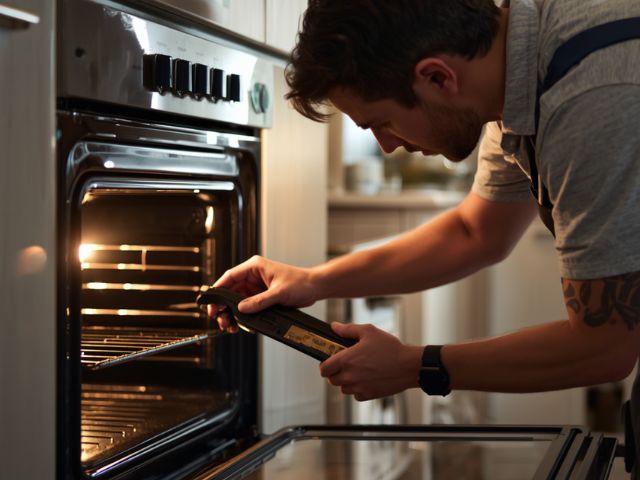
Los Angeles is known for its sunshine, but that consistent warmth can become a hidden challenge for homeowners with high-end kitchen appliances. Among the most affected are built-in ovens, especially premium models designed for precision cooking. While these ovens are engineered to perform reliably, prolonged exposure to high ambient temperatures can interfere with their efficiency, safety, and longevity.
Understanding how extreme heat interacts with your kitchen environment helps prevent unexpected malfunctions, preserve cooking performance, and reduce repair costs. With the right strategies, homeowners can keep their ovens operating smoothly even during the hottest days of the year.
The Relationship Between Outdoor Heat and Indoor Kitchen Temperatures
Built-in ovens are typically installed within cabinetry, meaning they rely on proper ventilation and stable room temperatures to operate at their best. When outdoor temperatures climb in Los Angeles, indoor heat levels also rise, especially in kitchens that receive direct sunlight or lack strong airflow.
As ambient temperature increases, ovens must work harder to maintain the set cooking temperature. This added strain may lead to longer preheating times, inconsistent baking results, and greater energy consumption. Over time, the extra load can place stress on internal components such as sensors, fans, and electronic control boards.
Why Wolf Built-In Ovens Are Sensitive to Excessive Heat
Premium ovens are designed with advanced electronics, precision sensors, and high-performance insulation. While these features allow for exceptional cooking accuracy, they also mean the appliance depends heavily on stable environmental conditions.
High heat can affect:
- Temperature sensors that regulate internal heat levels
- Cooling fans that prevent overheating of electrical components
- Control panels that rely on sensitive electronic circuits
When surrounding temperatures rise beyond typical operating conditions, even a well-engineered oven can experience thermal stress. This does not indicate a design flaw—it simply reflects the delicate balance between performance technology and environmental conditions.
Signs Your Built-In Oven Is Struggling in Hot Weather
When temperatures soar, your oven may show subtle warning signs before a full malfunction occurs. Recognizing these early symptoms can help prevent costly repairs.
Common indicators include:
- Extended preheating times
- Food cooking unevenly or taking longer than usual
- The oven exterior feeling unusually hot to the touch
- Control panel responsiveness slowing down
- Cooling fans running for longer periods after cooking ends
These symptoms often intensify during heat waves, when the kitchen environment fails to provide sufficient cooling for the appliance.
The Role of Ventilation in Protecting Built-In Ovens
Proper ventilation is one of the most important yet overlooked factors in maintaining oven health during hot weather. Built-in units require clear airflow pathways to release excess heat generated during operation.
If cabinetry is tightly enclosed or ventilation grilles are blocked by dust or grease, trapped heat builds up around the oven. This heat accumulation not only affects cooking performance but can also shorten the lifespan of critical electronic components.
Ensuring that ventilation openings remain unobstructed and that surrounding cabinetry is properly designed allows the oven’s cooling system to function as intended.
How Heat Affects Electronic Control Systems
Modern built-in ovens rely heavily on digital controls. These components are sensitive to both heat and humidity. When kitchen temperatures exceed recommended ranges, electronic systems may behave unpredictably.
Possible issues include:
- Display flickering or dimming
- Buttons becoming less responsive
- Error codes appearing without clear cause
Heat can accelerate wear on circuit boards and connectors, which may eventually lead to complete system failure if not addressed promptly.
Impact on Cooking Accuracy and Food Quality
One of the biggest frustrations for home cooks is inconsistent cooking results. Even slight temperature fluctuations can affect baking, roasting, and broiling performance.
In high heat conditions:
- Ovens may overshoot or undershoot target temperatures
- Internal sensors may struggle to maintain calibration
- Baking times may vary significantly from recipe instructions
This inconsistency can ruin delicate dishes such as soufflés, pastries, and slow-roasted meats. For homeowners who rely on their ovens daily, these variations can become both inconvenient and costly.
Preventive Steps to Reduce Heat Stress on Your Oven
There are several practical steps homeowners can take to minimize the impact of Los Angeles heat on their built-in ovens.
Improve kitchen airflow by using exhaust fans, opening windows during cooler hours, or installing additional ventilation where possible. Reducing overall kitchen temperature helps your oven maintain stable internal conditions.
Avoid using the oven during peak heat hours in the afternoon. Cooking earlier in the day or later in the evening reduces thermal strain and improves energy efficiency.
Keep the oven clean because grease and debris can trap heat and block airflow. A clean oven allows internal cooling systems to operate more effectively.
The Importance of Regular Appliance Maintenance
Routine maintenance becomes even more crucial in warmer climates. Regular inspections ensure that components such as door seals, cooling fans, and ventilation paths are functioning properly.
Professional technicians can:
- Check internal sensors for calibration accuracy
- Inspect wiring for heat-related wear
- Clean hidden areas that are difficult for homeowners to access
Scheduling periodic servicing helps detect small issues before they develop into serious heat-related failures. If your appliance shows signs of overheating or erratic behavior, consulting a specialist like Wolf Appliance Repair Expert can help diagnose and resolve problems quickly.
How Kitchen Design Influences Oven Performance
The layout of your kitchen plays a significant role in how heat accumulates around built-in appliances. Cabinets that tightly surround the oven without proper spacing can trap warm air, especially during summer months.
Open layouts, reflective backsplash materials, and proper spacing between appliances help dissipate heat more effectively. Homeowners planning renovations should consider airflow and appliance spacing as critical design factors, not just aesthetic choices.
When to Adjust Cooking Habits During Heat Waves
Small changes in cooking routines can dramatically reduce the strain on your oven during hot weather. Instead of running long baking cycles, consider:
- Using convection settings for faster cooking
- Cooking multiple dishes at once to reduce repeated preheating
- Exploring alternative appliances such as air fryers or outdoor grills
These adjustments reduce both energy use and heat buildup in your kitchen, benefiting both your comfort and your appliance’s lifespan.
How Related Appliance Issues Can Signal Broader Heat Problems
Heat-related stress in one appliance often affects others. For example, if your cooktop or range begins making unusual sounds or operating inconsistently, it may indicate broader temperature or ventilation issues in your kitchen.
Homeowners experiencing these symptoms may find it helpful to explore related resources such as
Troubleshooting Guide: Cooktop Is Making Strange Noises to better understand how environmental factors impact multiple cooking appliances.
Long-Term Effects of Heat Exposure on Built-In Ovens
Prolonged exposure to high ambient temperatures does not always cause immediate failure. Instead, the damage often accumulates slowly over time.
Potential long-term consequences include:
- Premature wear on electronic components
- Reduced insulation effectiveness
- Increased likelihood of thermal shutdowns
- Higher repair frequency and costs
By the time visible issues appear, internal components may have already experienced significant degradation. Taking preventive action early helps preserve both performance and resale value.
Recognizing When Professional Help Is Necessary
While some heat-related problems can be mitigated through improved ventilation or changes in cooking habits, others require professional diagnosis. Persistent error codes, recurring overheating, or sudden shutdowns are clear indicators that the appliance needs expert attention.
Attempting to repair a built-in oven without proper tools and training can lead to further damage or safety risks. Professional technicians have the specialized equipment needed to safely test sensors, control boards, and cooling systems under operating conditions.
Creating a Heat-Resilient Kitchen Environment
Designing a kitchen that can withstand Los Angeles summers benefits both appliances and occupants. Simple measures such as installing thermal window coverings, improving insulation, and maintaining effective ventilation can significantly reduce indoor temperatures.
Homeowners who invest in these improvements not only protect their appliances but also create a more comfortable cooking environment. Over time, these upgrades can also reduce energy bills and improve overall home efficiency.
Final Thoughts on Protecting Your Oven During LA’s Hottest Months
High temperatures are an unavoidable part of living in Los Angeles, but appliance problems don’t have to be. With a clear understanding of how heat affects built-in ovens, homeowners can take proactive steps to maintain performance, extend appliance lifespan, and avoid unexpected breakdowns.
Regular maintenance, thoughtful kitchen design, and smarter cooking habits work together to reduce heat stress on your oven. By staying attentive to early warning signs and addressing ventilation or temperature issues promptly, you can ensure your built-in oven continues delivering the precision and reliability you expect—even during the peak of summer.