
 Find Wolf Appliance Repair Near You
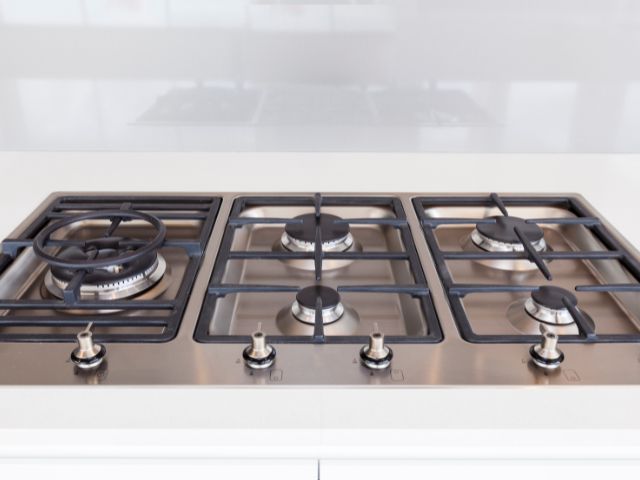
Wildfires leave behind layers of ash, soot, and debris that can infiltrate your home and settle on appliances, including gas cooktops. These particles, while seemingly harmless, can create blockages that disrupt functionality and compromise safety. Addressing gas cooktop burner blockages post-wildfire is essential to ensure efficient performance and prevent potential hazards.
Signs of Gas Cooktop Burner Blockages
Recognizing the symptoms of a blocked burner early can save time and money. Look out for these indicators:
- Uneven Flame Distribution: A normal burner produces an even, blue flame. Blockages often cause weak, yellow, or uneven flames.
- Popping Sounds: If you hear unusual noises while lighting the burner, it might indicate trapped debris.
- Difficulty Igniting: Persistent clicking or failure to ignite could point to a blockage in the igniter or burner ports.
- Reduced Heat Output: Slower cooking times may signal an obstruction affecting gas flow.
Step-by-Step Guide to Cleaning Gas Cooktop Burners
Addressing gas cooktop burner blockages post-wildfire involves thorough cleaning and inspection. Follow these steps to restore your appliance’s performance:
- Disconnect and Ensure Safety
- Turn off the gas supply to prevent any accidental leaks. You can usually find the shut-off valve near the cooktop or behind the appliance.
- Allow the cooktop to cool completely before handling it to avoid burns or injuries. Use a pair of protective gloves for additional safety.
- Remove Burner Components
- Carefully lift off the grates, burner caps, and burner heads. Keep track of how each component is positioned to ensure proper reassembly later.
- Prepare a cleaning solution using warm water and a few drops of mild dish soap. Submerge the removable components and let them soak for 20–30 minutes. This helps loosen soot, grease, and debris.
- Clean Burner Ports and Tubes
- Use a soft-bristled brush or a toothbrush to gently scrub away any remaining ash or dirt from the burner caps and heads.
- Inspect the tiny holes in the burner ports. If blocked, use a wooden toothpick or a straightened paperclip to carefully clear them. Avoid using sharp objects, as they can widen or damage the ports.
- For gas tubes, attach a can of compressed air or gently blow through the tubes to remove any lodged debris.
- Address the Igniter
- The igniter is often the most sensitive part of the cooktop. Use a damp microfiber cloth to wipe away any soot or residue.
- Avoid applying excessive pressure or using harsh chemicals, as these can damage the igniter’s surface. Ensure the igniter is completely dry before reassembling.
- Wipe Down the Surface
- Once the burner components are soaking, clean the cooktop’s surface with a non-abrasive cleaner and a soft sponge. Focus on removing any ash, grease, or stains left by wildfire debris.
- Pay attention to the edges and corners where debris might accumulate. Wipe down the surface with a damp cloth, then dry with a clean towel.
- Reassemble and Test
- Ensure all components are dry before reassembling. Begin by placing the burner heads and caps in their original positions, followed by the grates.
- Turn the gas supply back on and test each burner. Look for a steady, blue flame. If any issues persist, repeat the cleaning process or consult a professional.
When to Call a Professional
While regular maintenance is vital, certain situations require expert attention. If the burner blockages persist or if you suspect gas leaks, contact a professional technician immediately. Wolf Appliance Repair Expert specializes in comprehensive gas cooktop services, ensuring your appliance operates safely and efficiently.
Preventive Measures for Post-Wildfire Maintenance
To reduce the recurrence of burner blockages:
- Install Range Hoods: High-efficiency hoods minimize soot accumulation by improving ventilation.
- Seal Windows and Doors: Prevent ash infiltration during wildfires with weatherstripping or sealing kits.
- Regular Inspections: Schedule professional maintenance annually to address hidden issues.
FAQs
Q1: Can wildfire ash cause long-term damage to gas cooktops?
Yes, ash and soot can corrode components over time, leading to inefficiencies and potential safety risks.
Q2: How often should I clean my gas cooktop post-wildfire?
Inspect and clean after every significant ash exposure to maintain optimal performance.
Q3: Is it safe to use a blocked gas cooktop?
No, using a blocked cooktop can cause inefficient gas flow, increasing fire and safety risks.
Q4: Can I use vinegar to clean burner ports?
Vinegar can be used for general cleaning but should not be poured directly into burner ports to avoid internal damage.
Final Thoughts
Addressing gas cooktop burner blockages post-wildfire is crucial for safety and efficiency. Thorough cleaning, regular inspections, and professional services ensure your appliance remains in top condition. At Wolf Appliance Repair Expert, we offer reliable solutions tailored to your needs. Call us today for expert assistance and enjoy hassle-free cooking experiences.
For more valuable tips and insights, check out our previous blog post on the Top Appliance Tips: What to Do During and After Wildfires.