
 Find Wolf Appliance Repair Near You
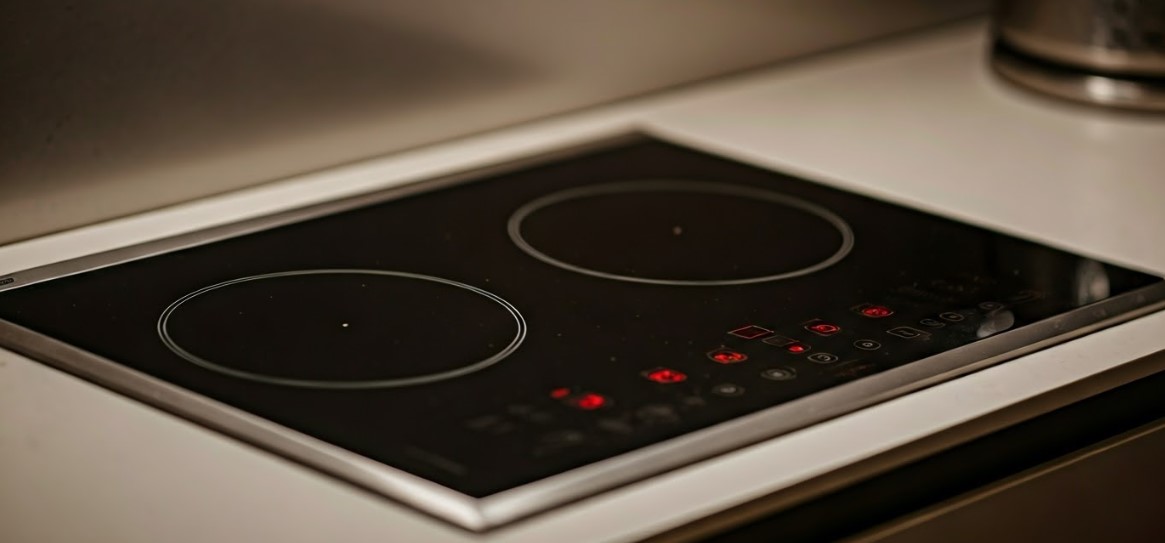
Wolf induction cooktops are common in today’s kitchens. They are praised for their modern look and how well they work. However, just like other appliances, they can get damaged by smoke. This can happen from a small cooking mistake or a bigger issue. Smoke can leave tough marks that can affect how your cooktop looks and works. In this article, we will explore some effective methods in restoring shine to induction cooktops after smoke exposure. By following these simple steps, you can bring back the beauty of your cooktop and ensure it continues to work efficiently. Let’s dive into the solutions to help your Wolf induction cooktop regain its luster.
Understanding Smoke Damage on Induction Cooktops
Smoke damage on induction cooktops goes beyond just looks. The glass surface may look strong, but smoke particles get everywhere. They can hide in small spaces and may harm the cooktop’s performance as time passes.
Different kinds of smoke have different chemicals. This means they leave behind different types of residue. Knowing this can help you pick the best way to clean and the right products to use.
Essential Supplies for Restoring Your Induction Cooktop
You can easily make your induction cooktop look great again without using strong chemicals or costly cleaners. Often, basic household items like white vinegar and some simple tools are enough.
Microfiber cloths work best for cleaning induction cooktops. They are soft, which means they won’t scratch the surface. Their tiny fibers can pick up dirt and grease without leaving behind any lint. You’ll also need a spray bottle for your cleaning solution and warm water to rinse the cooktop.
Benefits of Using Vinegar and Microfiber Cloths
Vinegar is a common item found in most kitchens. It is great for cleaning smoke-damaged induction cooktops. The acid in vinegar helps remove grease and dirt while getting rid of bad smells. Unlike strong chemicals, white vinegar is safe to use on surfaces where food might touch. When you clean with vinegar and microfiber cloths, it works well and is gentle. This way, there is less chance of scratching the glass cooktop.
Microfiber cloths are very useful for this job. They easily pick up dirt and liquid. Using these cloths ensures your cooktop has no streaks and looks shiny. Plus, you can clean microfiber cloths and use them again. This makes them budget-friendly and good for the environment.
In short, using vinegar and microfiber cloths is a safe and smart way to clean your smoke-damaged induction cooktop.
Preparing Your Cleaning Solution
Preparing your cleaning solution is easy. First, fill a clean spray bottle with equal parts of white vinegar and warm water. This mix is great for cleaning because it won’t harm your cooktop.
Be sure to use a spray bottle just for cleaning. An old bottle that held other chemicals can cause problems, even if you rinse it. It could damage your cooktop.
After you make your solution, shake the bottle well. This helps mix the vinegar and water. Now you’re good to go for cleaning that smoke damage!
Step-by-Step Guide to Cleaning Smoke-Damaged Induction Cooktops
Cleaning a smoke-damaged induction cooktop can be easy. If you follow a clear plan and use the right tools, it will look new again quickly.
Initial Cleaning to Remove Surface Residue
Before dealing with tough stains, it is important to get rid of any loose dirt. This step helps get the cooktop ready for a better clean. Here’s what to do:
- Spray a lot: Spray the entire surface of your cooled cooktop with a mix of vinegar and water. Make sure all the dirty areas are covered.
- Let it be: Allow the solution to sit for a few minutes. This helps the vinegar soak in and loosen the smoke dirt.
- Wipe gently: Use a clean microfiber cloth to gently wipe the cooktop. Do not scrub, as it might scratch the glass.
Rinse your cloth with warm water and wipe the cooktop again to clear away any vinegar left behind. You may need to repeat these steps a few times if there is a lot of smoke damage.
Deep Cleaning Techniques for Stubborn Stains
For tough, baked-on stains, you may need to clean a bit more carefully:
- Baking soda paste: Mix baking soda with a little water to make a paste. Spread this paste on the tough stains and let it sit for 10-15 minutes.
- Gentle scrubbing: With a non-abrasive sponge or a soft brush, gently scrub the paste using circular motions. Don’t use too much strength, so you don’t harm the surface.
- Rinse and dry: Wash away the baking soda paste completely with warm water and a clean microfiber cloth. Then, dry the cooktop well.
If the stains are still there, you can try this cleaning again. But if they are very stubborn, think about using a special cleaner made for induction cooktops. Always check the instructions from the manufacturer before using.
Regular Maintenance Tips
One of the easiest and best ways to avoid damage is to clean your cooktop regularly. After you use it, let it cool completely. Then, take a damp microfiber cloth and wipe it down to get rid of any spills or food bits.
For a more intense clean, set aside time each week for thorough cleaning. You can use a vinegar solution or a special cleaner made for induction cooktops.
Keep in mind that cleaning often helps your cooktop look good and last longer. It also helps it work better.
Recommended Products for Ongoing Care
Apart from the basic cleaning supplies, using products specifically designed for induction cooktops can significantly enhance their lifespan and keep them looking their best. Here are some recommended products:
| Product Type | Description |
| Induction Cooktop Cleaner | These cleaners are formulated to break down grease and baked-on food residue without damaging the glass surface. |
| Cooktop Polishing Cream | These creams help to restore shine and prevent future staining by creating a protective layer on the cooktop’s surface. |
| Scraper | A specialized scraper designed for glass cooktops can help to safely remove stubborn, burnt-on food without scratching. |
Remember, while there are numerous cleaning product options available, it’s crucial to always refer to your cooktop manufacturer’s recommendations for the best cleaning practices and suitable products.
Conclusion
Restoring shine to induction cooktops after smoke exposure needs careful cleaning. It’s important to know how smoke affects your cooktop’s look to clean it well. You can use vinegar and microfiber cloths to clean, along with good cleaning methods and ways to prevent damage. Keeping up with regular maintenance and using the right products will stop future smoke problems. This will help keep your cooktop looking clean and new. For more appliance tips, check out our blog on Tips for Preventing Ash Build-Up Under Gas Cooktop Burners.
Frequently Asked Questions
Can all types of vinegar be used for cleaning induction cooktops?
White vinegar is often the best choice for cleaning induction cooktops, like Wolf appliances. It is strong enough to get rid of dirt and grime but won’t hurt the delicate surface of a Wolf cooktop.
How often should I clean my induction cooktop to prevent smoke damage?
To avoid buildup that can cause smoke damage, it’s best to clean your induction cooktop after every use. You can also do a deeper clean with a special cleaner each week. Following this easy cleaning plan can help keep your Wolf cooktop looking great.
Are there any risks of using abrasive cleaners on induction cooktops?
Yes, using rough cleaners on induction cooktops can be risky. This is especially true for delicate surfaces, like those on Wolf induction cooktops. Scratches from these cleaners can ruin the smooth look of the cooktop. They can also affect how well it works over time.
Can the restoration process remove all types of smoke stains?
The process for restoration can get rid of many smoke stains. However, for tough stains or burnt marks, you may need professional help from Wolf Appliance Repair Expert. This is especially true for expensive appliances like Wolf cooktops.