
 Find Wolf Appliance Repair Near You
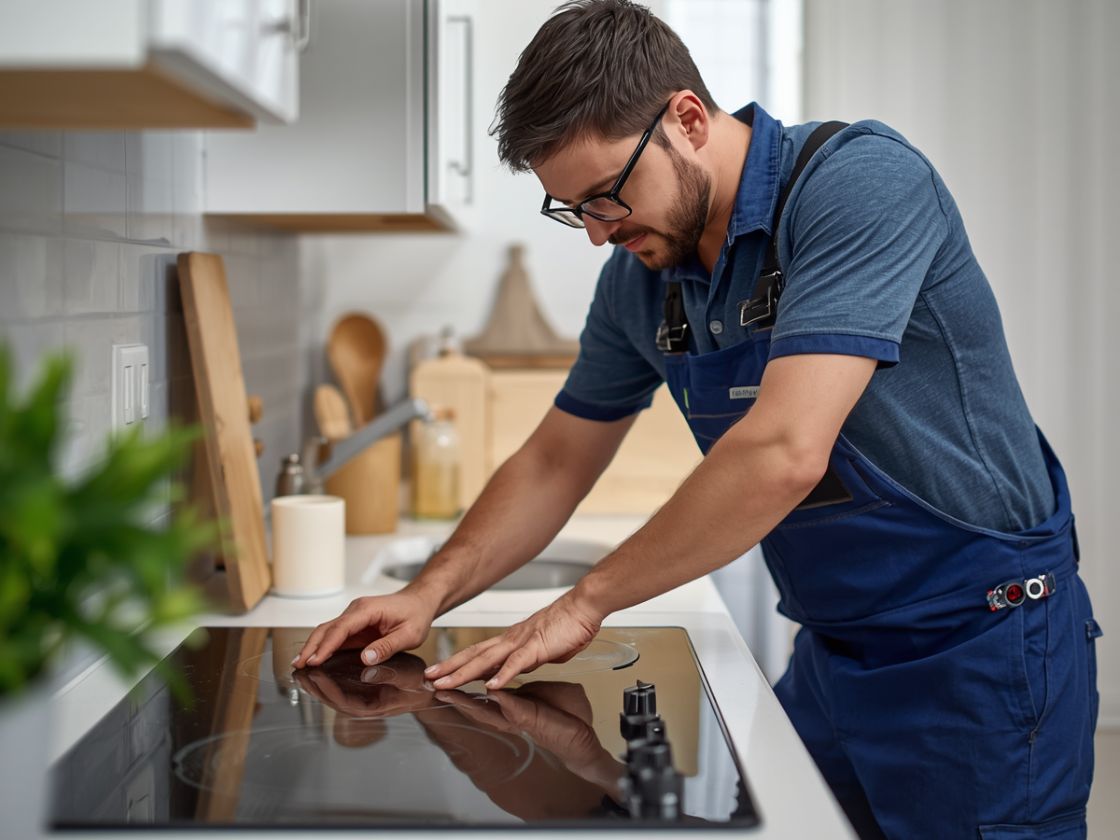
A Wolf cooktop is the centerpiece of a high-performance kitchen—sleek, powerful, and built for precision cooking. But when temperatures rise, whether from seasonal heat or heavy kitchen use, overheating issues can start to creep in. These problems don’t just affect cooking performance—they can also lead to costly repairs, safety concerns, and long-term damage if left unaddressed.
Keeping your Wolf cooktop running smoothly requires more than just routine cleaning. It involves understanding how heat affects your appliance, recognizing early warning signs, and applying the right maintenance strategies to prevent breakdowns before they happen.
Why Overheating Happens in Wolf Cooktops
Wolf cooktops are engineered for durability, but even premium appliances can struggle under certain conditions. Overheating typically occurs when internal components are forced to work harder than intended or when airflow becomes restricted.
One common cause is excessive ambient heat. During warmer seasons, kitchens can become significantly hotter, especially when multiple appliances are in use. This added heat can strain your cooktop’s internal systems, making it more difficult to regulate temperature properly.
Another major factor is poor ventilation. Cooktops rely on proper airflow to dissipate heat. If vents are blocked or grease buildup restricts circulation, heat gets trapped inside, increasing the risk of overheating.
Electrical issues can also play a role. Faulty wiring, worn-out components, or inconsistent power supply may cause the cooktop to generate more heat than necessary or fail to shut off correctly.
Understanding these root causes is the first step toward preventing overheating and maintaining optimal performance.
Early Warning Signs You Should Never Ignore
Overheating doesn’t usually happen overnight. Your Wolf cooktop will often show subtle signs before a serious issue develops.
One of the most noticeable indicators is inconsistent heating. If burners suddenly become too hot or fail to maintain a steady temperature, it may signal internal stress or malfunction.
Another warning sign is unusual odors. A burning smell, especially one that resembles melting plastic or overheating wires, should never be ignored. This could indicate electrical issues or excessive heat buildup inside the unit.
You might also notice the cooktop shutting off unexpectedly. While modern appliances are designed with safety features, frequent automatic shutdowns can point to overheating problems that need immediate attention.
Lastly, visible discoloration or damage around the burners or control panel may suggest prolonged exposure to excessive heat.
Catching these signs early can save you from expensive repairs and potential safety hazards.
Smart Cooking Habits That Reduce Heat Stress
The way you use your cooktop has a direct impact on its longevity and performance. Adopting smarter cooking habits can significantly reduce the risk of overheating.
Start by avoiding prolonged use at maximum heat settings. While Wolf cooktops are designed for high performance, constant high-heat cooking can strain internal components over time. Instead, use the appropriate heat level for each task and allow the cooktop to cool between uses.
Using the right cookware is equally important. Pots and pans that match the burner size ensure even heat distribution and prevent excess heat from escaping into surrounding areas.
Keeping lids on pots while cooking can also help retain heat, reducing the need for higher temperature settings and minimizing overall heat output.
Spacing out cooking sessions is another simple yet effective strategy. If you’re preparing multiple dishes, give your cooktop short breaks to cool down between tasks.
These small adjustments can make a big difference in preventing overheating and extending the life of your appliance.
The Importance of Proper Ventilation
Ventilation is one of the most overlooked factors in preventing cooktop overheating. Without proper airflow, heat has nowhere to go, causing it to build up inside the appliance.
Make sure your kitchen ventilation system, such as a range hood, is functioning efficiently. Clean the filters regularly to remove grease and debris that can block airflow.
If your cooktop is installed in a tight space, consider improving ventilation around the unit. Even small adjustments, like ensuring adequate clearance or using auxiliary fans, can help dissipate heat more effectively.
Opening windows or improving overall kitchen airflow during cooking can also reduce ambient temperature, easing the load on your cooktop.
Proper ventilation doesn’t just protect your appliance—it also creates a more comfortable and safer cooking environment.
Routine Cleaning as a Preventive Measure
Grease, food residue, and dust may seem harmless, but they can significantly contribute to overheating issues.
When buildup accumulates around burners and vents, it restricts airflow and traps heat inside the cooktop. Over time, this can lead to inefficient performance and increased risk of component failure.
Regular cleaning helps maintain proper heat distribution and prevents blockages. Wipe down the cooktop after each use, and perform a deeper cleaning routine weekly to remove stubborn residue.
Pay special attention to burner caps, grates, and ventilation areas. Keeping these components clean ensures that heat can escape properly and reduces the likelihood of overheating.
Consistency is key. A well-maintained cooktop not only performs better but also lasts longer.
When Professional Repair Becomes Essential
Despite your best efforts, there are times when overheating issues require professional intervention. Ignoring persistent problems can lead to more severe damage and higher repair costs down the line.
If your cooktop frequently overheats, shuts down unexpectedly, or shows signs of electrical issues, it’s time to call in the experts. Attempting DIY repairs on complex appliances can be risky and may void warranties.
For reliable service, consider reaching out to Wolf Appliance Repair Expert. Their specialized technicians understand the intricacies of Wolf appliances and can diagnose and resolve overheating issues efficiently.
Professional repairs not only restore functionality but also ensure your cooktop operates safely and efficiently moving forward.
Preventive Maintenance That Pays Off
Preventive maintenance is one of the smartest investments you can make for your Wolf cooktop. Regular inspections can identify potential issues before they escalate into major problems.
Scheduling periodic check-ups with a qualified technician ensures that internal components, wiring, and ventilation systems are in optimal condition. These inspections can uncover hidden issues that aren’t immediately visible during daily use.
In addition to professional maintenance, staying proactive with your own care routine is essential. Monitor your cooktop’s performance, clean it regularly, and address minor issues promptly.
Taking these steps not only prevents overheating but also enhances overall efficiency and extends the lifespan of your appliance.
Enhancing Kitchen Efficiency Beyond the Cooktop
A well-functioning cooktop is just one part of a seamless kitchen experience. Other appliances also play a role in maintaining efficiency and safety.
For example, ensuring your oven operates correctly can reduce the need to overuse your cooktop. If you’ve noticed issues with your oven door alignment, exploring helpful resources like Simple Steps for DIY Oven Door Hinge Adjustment can improve performance and reduce unnecessary strain on your cooking setup.
By keeping all your kitchen appliances in top condition, you create a balanced system that minimizes stress on individual components and enhances overall functionality.
Seasonal Tips for Keeping Your Cooktop Cool
Seasonal changes can have a significant impact on how your cooktop performs. During warmer months, extra precautions are necessary to prevent overheating.
Try cooking during cooler parts of the day, such as early morning or evening, to reduce ambient heat in your kitchen. This simple adjustment can make a noticeable difference in how your cooktop operates.
Using smaller appliances like microwaves or air fryers for certain tasks can also help reduce the load on your cooktop.
Additionally, keep your kitchen well-ventilated and avoid using multiple heat-generating appliances simultaneously whenever possible.
Adapting your cooking habits to the season ensures your cooktop remains efficient and reliable year-round.
Building Long-Term Reliability and Safety
Preventing overheating isn’t just about avoiding inconvenience—it’s about protecting your investment and ensuring the safety of your home.
A properly maintained Wolf cooktop delivers consistent performance, enhances your cooking experience, and reduces the risk of unexpected breakdowns.
By staying attentive to warning signs, adopting smart cooking habits, and prioritizing regular maintenance, you can keep your appliance in peak condition for years to come.
Frequently Asked Questions
- What causes a Wolf cooktop to overheat?
Overheating can result from poor ventilation, excessive use at high temperatures, grease buildup, or electrical issues within the appliance. - How can I prevent my cooktop from overheating during summer?
Improve ventilation, avoid prolonged high-heat cooking, clean regularly, and cook during cooler times of the day. - Is it safe to continue using an overheating cooktop?
No, continued use can lead to further damage and potential safety hazards. It’s best to address the issue immediately. - How often should I clean my cooktop to prevent overheating?
Wipe it down after each use and perform a deep cleaning at least once a week to maintain proper airflow and efficiency. - When should I call a professional for repairs?
If you notice persistent overheating, unusual smells, or frequent shutdowns, it’s time to seek professional assistance.
Conclusion: Keep Your Kitchen Cool and Efficient
Avoiding overheating issues on your Wolf cooktop doesn’t require complicated solutions—just consistent care, smart habits, and timely intervention when needed. By understanding how heat affects your appliance and taking proactive steps to manage it, you can enjoy reliable performance without interruptions.
From improving ventilation to scheduling professional maintenance, every effort you make contributes to a safer, more efficient kitchen. Don’t wait for small issues to turn into major problems. Stay ahead with proper care, and your Wolf cooktop will continue to deliver the exceptional performance you expect season after season.