
 Find Wolf Appliance Repair Near You
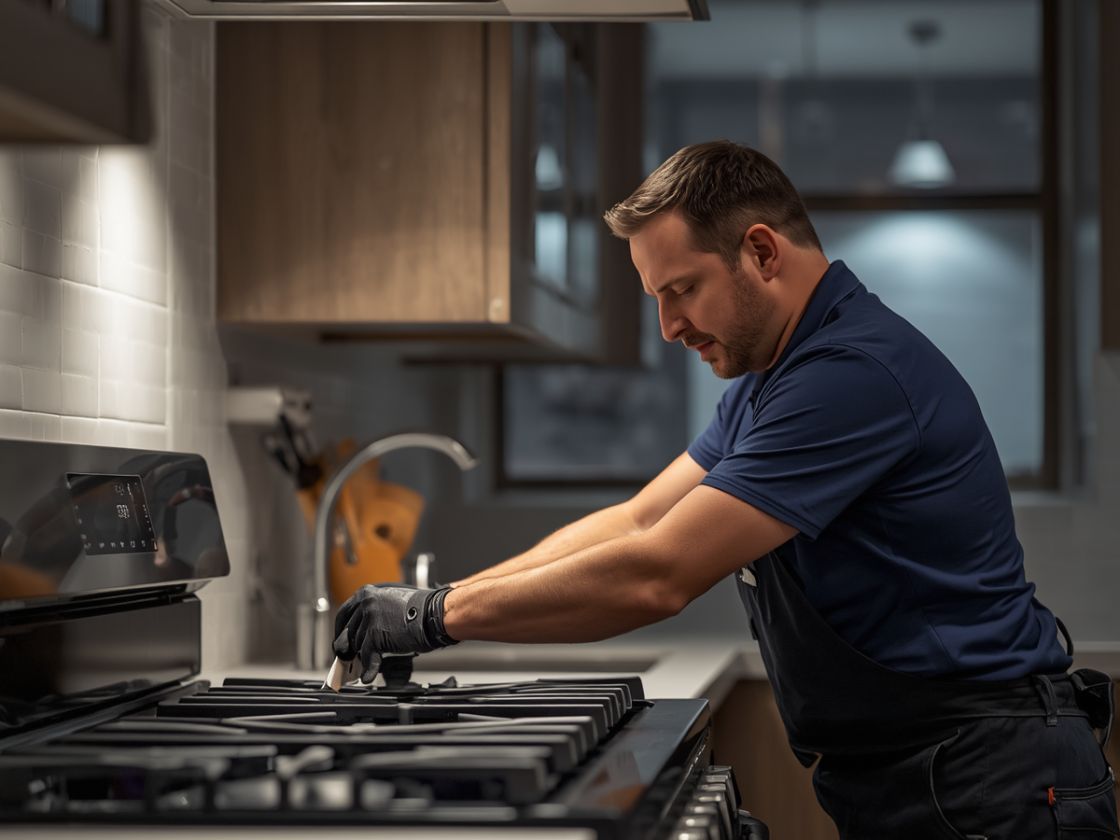
When temperatures rise, your Wolf Ranges Appliances Repair face more stress than you might expect—especially high-performance units like Wolf ranges. While these premium appliances are built for durability and precision, hot weather can create unexpected complications that make repairs less effective or even short-lived.
Understanding how heat impacts your appliance is the key to avoiding repeat breakdowns, costly service calls, and frustrating cooking interruptions. Let’s explore why repairs may fail during hotter months and what you can do to keep your Wolf range running smoothly.
Heat Stress Can Undermine Repair Effectiveness
Hot weather doesn’t just affect your comfort—it directly impacts how your appliance functions. When ambient temperatures climb, internal components of your Wolf range operate under additional strain.
Even after a repair, excessive heat can:
- Cause components to expand beyond normal tolerances
- Reduce the lifespan of newly installed parts
- Lead to overheating cycles that undo repair work
For example, a technician may replace a faulty thermostat, but if your kitchen environment remains excessively hot, the new part may struggle to regulate temperature accurately. This creates the illusion of a failed repair when the root cause is actually environmental.
Electrical Components Are More Vulnerable
Electrical systems are particularly sensitive to heat. During warmer months, voltage fluctuations and overheating circuits become more common, especially in homes with increased energy usage due to air conditioning.
This can affect:
- Ignition systems
- Control boards
- Sensors and wiring
Even a properly repaired electrical issue can resurface if heat continues to stress the system. Circuit boards, in particular, are prone to heat-related damage, which can lead to inconsistent performance or sudden shutdowns.
Poor Ventilation Makes Repairs Temporary
One of the most overlooked factors in appliance performance is ventilation. Wolf ranges generate significant heat on their own, and when combined with hot weather, poor airflow can create a perfect storm for recurring issues.
If your kitchen lacks proper ventilation:
- Heat becomes trapped around the appliance
- Internal cooling mechanisms struggle to keep up
- Components degrade faster
In such cases, a repair may fix the immediate issue, but without addressing airflow, the same problem can quickly return.
Gas Pressure Fluctuations in High Temperatures
Gas-powered Wolf ranges can also be affected by extreme heat. Temperature changes can alter gas pressure and flow, leading to inconsistent burner performance.
This may result in:
- Uneven flames
- Delayed ignition
- Reduced cooking efficiency
A technician might recalibrate or repair the burner system, but if gas pressure continues to fluctuate due to heat, the fix may not hold for long.
Wear and Tear Accelerates in Summer Months
All appliances experience wear and tear over time, but hot weather speeds up this process. Rubber seals, gaskets, and insulation materials are especially vulnerable to high temperatures.
When these parts degrade:
- Heat escapes where it shouldn’t
- Internal temperatures become harder to control
- Energy efficiency drops
Even after replacing worn components, ongoing exposure to heat can quickly lead to repeat failures.
Moisture and Humidity Add to the Problem
In many regions, hot weather also brings increased humidity. This combination of heat and moisture can be particularly damaging to your Wolf range.
Humidity can:
- Corrode metal components
- Interfere with electrical connections
- Cause rust or buildup in critical areas
A repair might address visible damage, but hidden moisture-related issues can persist and cause future malfunctions.
Improper Diagnosis During Heat Waves
Another reason repairs may fail is misdiagnosis. During extremely hot days, symptoms of heat stress can mimic other appliance issues.
For instance:
- Overheating may look like a faulty thermostat
- Electrical glitches may seem like wiring issues
- Burner inconsistencies may be mistaken for mechanical faults
If the technician doesn’t account for environmental factors, the repair may not address the true cause of the problem.
How to Prevent Repair Failures in Hot Weather
The good news is that many of these issues are preventable. By taking proactive steps, you can protect your Wolf range and ensure that repairs last longer.
Improve Kitchen Ventilation
Install or upgrade range hoods and exhaust systems to remove excess heat. Proper airflow helps maintain stable operating conditions.
Schedule Preventative Maintenance
Routine inspections can identify heat-related wear before it becomes a major issue. Cleaning internal components also improves efficiency.
Avoid Overloading the Appliance
Using multiple burners or the oven for extended periods during peak heat can push your range beyond its limits. Give it time to cool between heavy use.
Monitor Kitchen Temperature
Keep your kitchen as cool as possible with fans or air conditioning. Even a small temperature reduction can make a big difference.
Use Professional Repair Services
Working with experienced technicians ensures that environmental factors are considered during diagnosis and repair. For reliable service, consider Wolf Appliance Repair Expert for professional assistance tailored to your appliance’s needs.
Why Quick Fixes Often Don’t Work in Summer
Temporary solutions might seem appealing, especially when you need your appliance working fast. However, quick fixes rarely address the underlying impact of heat.
Common short-term fixes include:
- Resetting the appliance
- Replacing a single component without full inspection
- Ignoring ventilation or environmental issues
These approaches may provide brief relief but often lead to recurring problems. Long-term solutions require a comprehensive understanding of how heat affects your appliance.
When to Seek Immediate Help
Some warning signs indicate that your Wolf range needs urgent attention, especially during hot weather:
- Persistent overheating
- Frequent ignition failures
- Unusual noises or smells
- Inconsistent cooking results
Ignoring these symptoms can lead to more severe damage and higher repair costs. Acting quickly can prevent minor issues from escalating.
Learn More About Related Issues
If you’re dealing with electrical sparks or unusual behavior, you may also benefit from reading this helpful guide:
Step-by-Step: How to Fix a Range That is Sparking
This resource provides additional insights into common range problems and practical solutions that complement the tips shared here.
The Long-Term Value of Proper Care
Investing in proper maintenance and addressing environmental factors doesn’t just prevent repair failures—it extends the overall lifespan of your Wolf range.
Benefits include:
- Consistent cooking performance
- Lower energy consumption
- Fewer unexpected breakdowns
- Reduced long-term repair costs
Your appliance is a significant investment, and protecting it from seasonal challenges ensures you get the most value out of it.
Final Thoughts: Stay Ahead of the Heat
Hot weather presents unique challenges for even the most advanced kitchen appliances. When it comes to Wolf ranges, understanding how heat affects performance is essential for preventing repair failures.
By improving ventilation, staying proactive with maintenance, and relying on skilled professionals, you can keep your appliance running efficiently—even during the hottest days of the year.
Don’t wait for repeated breakdowns to take action. With the right approach, you can enjoy reliable performance, fewer repairs, and a stress-free cooking experience all summer long.