
 Find Wolf Appliance Repair Near You
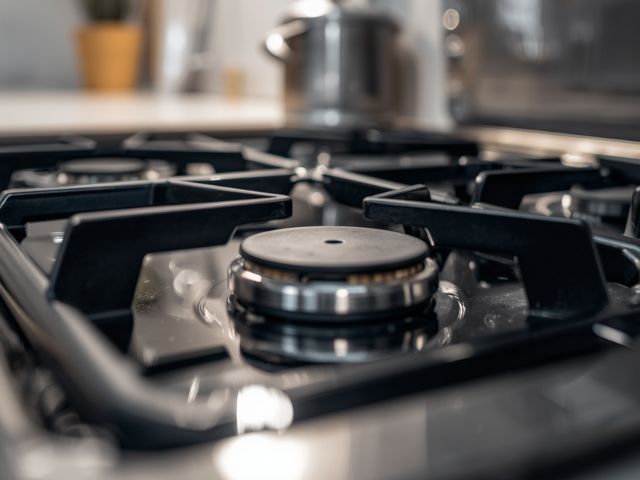
Wolf cooktops are known for their professional-grade performance, sleek design, and unmatched durability. However, even the most advanced kitchen appliances require regular attention to maintain peak efficiency. Seasonal care plays a crucial role in preventing breakdowns, maintaining safety, and reducing the need for major repairs.
When homeowners adopt a proactive maintenance routine, they not only preserve the performance of their cooktops but also extend the lifespan of their entire kitchen setup. Seasonal changes—whether it’s humidity, temperature, or increased cooking during holidays—can place extra strain on cooking appliances, making preventive care more important than ever.
Why Seasonal Maintenance Matters for High-End Cooktops
Wolf cooktops are engineered with precision components, including sealed burners, advanced ignition systems, and durable grates. While these features are built to last, environmental changes and daily usage gradually cause wear and tear.
During colder months, households tend to cook indoors more frequently, increasing grease buildup and residue accumulation. In warmer seasons, humidity can affect electrical components and ignition systems. Without proper care, these seasonal stressors may lead to uneven flames, ignition delays, or even complete burner failure.
Routine maintenance aligned with seasonal transitions helps:
- Prevent unexpected breakdowns
- Maintain consistent heat output
- Reduce energy consumption
- Preserve the appliance’s aesthetic appeal
Taking a few preventive steps throughout the year is far more cost-effective than dealing with emergency repairs or part replacements.
Spring Cleaning That Protects Your Cooktop’s Performance
Spring is the ideal time to perform a deep cleaning and inspection of your Wolf cooktop. After months of heavy winter use, grease and food residue can accumulate beneath grates and around burner caps, affecting flame distribution and overall efficiency.
Start by removing the grates and burner caps. Soak them in warm water with a mild degreasing solution. Avoid abrasive cleaners that may damage the porcelain coating or stainless steel finish. Use a soft brush to clean hard-to-reach areas, ensuring that burner ports remain unclogged.
Wiping down the cooktop surface with a manufacturer-approved cleaner helps prevent long-term staining and corrosion. Pay special attention to the control knobs and ignition area, as these spots often collect grease that can interfere with proper operation.
Spring maintenance is also the perfect opportunity to inspect for loose parts, discoloration, or unusual burner behavior. Catching these signs early can prevent larger mechanical issues later in the year.
Summer Heat and Its Hidden Effects on Your Appliance
Although summer may seem like a less demanding season for cooktops, higher temperatures and humidity levels can still impact appliance performance. Moisture in the air can cause minor corrosion in electrical components, especially if the kitchen is not well ventilated.
Increased use of air conditioning also changes indoor humidity levels, which may affect ignition systems and gas flow stability. Checking that all burner flames burn blue and steady is essential during this time. Yellow or flickering flames often indicate clogged ports or improper air-to-gas ratios.
It’s also wise to keep the area around the cooktop clear to ensure proper ventilation. Blocked airflow can trap heat and accelerate wear on internal components. Regularly wiping down surfaces during summer prevents grease from hardening and becoming more difficult to remove later.
Fall Preparation to Prevent Holiday Cooking Disruptions
As fall approaches, many households begin preparing for increased kitchen activity during holidays and family gatherings. This is the best time to ensure your Wolf cooktop is ready to handle longer cooking hours and multiple burners operating simultaneously.
Inspect the burner ignition response. If you notice delayed ignition or clicking sounds that persist after the burner lights, it may be time to clean or adjust the ignition electrodes. A quick tune-up during fall can prevent frustrating malfunctions during busy cooking days.
Fall is also a good time to check gas connections and ensure there are no leaks or unusual odors. While modern cooktops are built with safety features, periodic inspection adds an extra layer of protection for your home and family.
Scheduling professional maintenance before the holiday rush can help avoid unexpected issues when you need your cooktop most.
Winter Usage: Managing Heavy Cooking Without Overloading Components
Winter is often the season of peak usage for kitchen appliances. From daily home-cooked meals to festive gatherings, your cooktop may be in constant operation. Extended cooking sessions can lead to overheating, grease accumulation, and faster wear on ignition systems.
To protect your cooktop during winter:
- Avoid allowing spills to sit for extended periods
- Clean burner caps frequently to maintain even flame distribution
- Allow the cooktop to cool completely before cleaning to prevent thermal shock
Frequent inspection during this season ensures that grease does not build up around sensitive components, which can otherwise lead to ignition failure or burner blockage.
The Importance of Professional Inspections and Timely Repairs
While regular cleaning and visual checks are essential, professional servicing provides a deeper level of maintenance that homeowners may not be able to perform on their own. Certified technicians have the tools and expertise to inspect gas lines, calibrate burners, and test internal electrical systems safely.
When issues such as uneven heating, gas odor, or persistent ignition clicking arise, seeking expert assistance is the safest course of action. Delaying repairs can worsen the problem and increase the likelihood of costly part replacements.
For homeowners who want dependable support and expert diagnostics, Wolf Appliance Repair Expert offers specialized services tailored to the unique engineering of Wolf appliances, helping ensure your cooktop remains reliable year-round.
Warning Signs Your Cooktop Needs Immediate Attention
Even with consistent seasonal care, certain warning signs indicate that your cooktop may require professional repair. Ignoring these symptoms can lead to larger issues or safety hazards.
Watch for:
- Burners that fail to ignite or ignite inconsistently
- Flames that appear yellow, orange, or irregular
- Unusual clicking sounds that continue after ignition
- Gas odors near the cooktop area
- Control knobs that feel loose or unresponsive
If you notice your cooktop shutting off unexpectedly or failing to maintain heat, it may also be helpful to explore related appliance issues. This resource, Oven Keeping Shutting Off: Common Issues & Fixes, explains similar warning signs and solutions for connected kitchen appliances.
Daily Habits That Significantly Extend Appliance Lifespan
Beyond seasonal deep cleaning, small daily habits play a major role in extending the life of your Wolf cooktop. Consistent upkeep prevents buildup that can eventually cause mechanical or electrical failure.
Simple practices include:
- Wiping spills immediately after cooking
- Avoiding harsh scrubbing pads that scratch surfaces
- Ensuring pots and pans sit evenly on grates
- Turning burners off before removing cookware
These habits reduce strain on ignition systems, prevent residue from clogging burner ports, and maintain the aesthetic quality of stainless steel or glass surfaces.
Over time, these small steps can add years to your appliance’s functional lifespan and maintain its premium appearance.
How Proper Cleaning Protects Both Performance and Safety
Grease buildup is one of the most common causes of cooktop malfunctions and kitchen hazards. Residue around burners can restrict airflow, causing incomplete combustion and uneven heat distribution. In severe cases, it can even become a fire risk.
Using manufacturer-recommended cleaning solutions ensures that surfaces remain free from corrosive substances while preserving protective finishes. Cleaning beneath grates and around burner bases prevents grease from seeping into internal components, which could otherwise lead to electrical faults.
Maintaining a clean cooktop also improves indoor air quality by reducing smoke and burnt residue during cooking, making your kitchen a healthier environment overall.
Seasonal Maintenance Checklist for Wolf Cooktop Owners
To simplify year-round care, many homeowners benefit from following a structured seasonal checklist. This approach ensures that no aspect of maintenance is overlooked.
Spring
- Deep clean grates and burner caps
- Inspect ignition systems
- Remove grease buildup
Summer
- Monitor flame color and stability
- Ensure proper ventilation
- Wipe surfaces frequently to prevent residue hardening
Fall
- Test ignition responsiveness
- Check gas connections
- Schedule professional servicing before holidays
Winter
- Clean frequently during heavy use
- Watch for overheating signs
- Address minor issues before they worsen
By sticking to a routine, you create a preventive maintenance cycle that supports both safety and performance throughout the year.
Protecting Your Investment Through Preventive Care
Wolf cooktops are a significant investment, often chosen by homeowners who value professional-level cooking performance. Protecting that investment means treating the appliance with the same level of care as other high-end equipment in your home.
Preventive maintenance reduces the likelihood of unexpected repairs, maintains resale value, and ensures your kitchen remains a reliable space for everyday cooking and special occasions alike.
With consistent seasonal care, proper cleaning habits, and timely professional inspections, your cooktop can continue delivering precise heat control and reliable performance for many years.
Frequently Asked Questions
How often should a Wolf cooktop be professionally serviced?
At least once a year, or more frequently if you cook daily or notice irregular burner performance.
What causes a burner flame to turn yellow instead of blue?
Yellow flames typically indicate clogged burner ports, improper air-to-gas ratios, or grease buildup affecting combustion.
Is it safe to clean burner components with water?
Yes, but they should be completely dry before reassembly to avoid ignition problems.
Can seasonal humidity really affect cooktop performance?
Yes, high humidity can impact electrical ignition systems and contribute to minor corrosion over time.
Does regular maintenance actually reduce repair costs?
Absolutely. Preventive care helps detect issues early, avoiding expensive part replacements or emergency service calls.
A Smarter Approach to Long-Lasting Kitchen Appliances
Consistent seasonal care is one of the most effective ways to extend the lifespan of your Wolf cooktop and maintain its high-end performance. From deep cleaning in spring to careful monitoring during winter’s heavy usage, each season presents an opportunity to protect your appliance from wear and tear.
By combining daily cleaning habits, seasonal checkups, and professional inspections when needed, homeowners can avoid common cooktop failures and keep their kitchen running smoothly year-round. Taking these steps today ensures your Wolf cooktop continues to deliver the reliability, precision, and elegance it was designed for—making every meal preparation a seamless and enjoyable experience.