
 Find Wolf Appliance Repair Near You
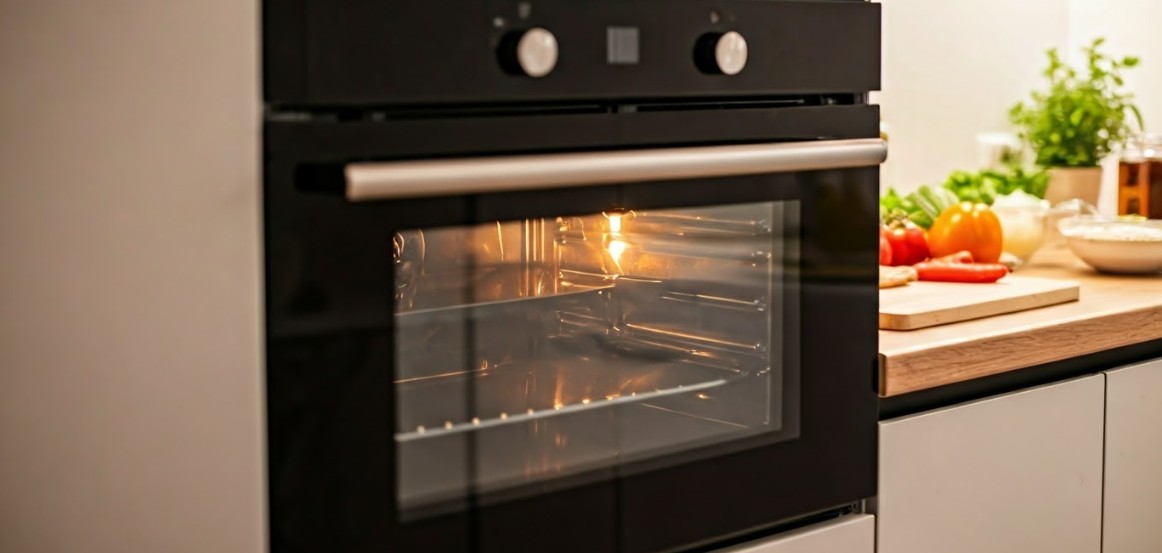
A working oven is very important for any kitchen. It can be frustrating when your oven suddenly stops heating. This helpful guide looks at common reasons why oven is keeping shutting off and offers tips to help you start cooking again. Always remember, safety should be the first priority when working with any appliance.
Understanding the Basics of Oven Functionality
Ovens are built on a simple idea: they apply heat to cook food. It’s good to know how your oven works, whether it is gas or electric, especially when there’s a problem. An oven works well because its parts work together.
These parts are the heating element, thermostat, control board, and safety features such as the door latch and ventilation system. All these components work together to control and keep the oven at the right temperature.
The Difference Between Gas and Electric Ovens
Gas ovens and electric ovens both cook food, but they heat in different ways. Gas ovens use a gas burner to create heat. This heat spreads throughout the oven space.
On the other hand, electric ovens use heating elements that operate on electricity to generate heat. These elements are placed in the oven to help heat food evenly.
Choosing between a gas oven and an electric oven usually depends on what you like, how much you want to spend, and what utilities you have.
How Ovens Regulate Temperature
Keeping a steady temperature is very important for cooking well. Modern electric ovens are great at this because they have advanced systems to control temperature. The main part of this system is the thermostat.
The thermostat checks the oven’s temperature inside and tells the heating element when to turn on or off. This helps the oven stay at the right temperature while cooking.
But if the thermostat does not work properly, it can cause problems. This could lead to changes in temperature or even make the oven stop working.
Identifying Common Oven Issues
Knowing the signs of a broken oven can help you save time, energy, and money on repairs. When you understand common oven problems, you can find solutions faster and learn more about your appliance.
Watch for any odd signs, such as uneven heating, weird sounds, or a burning smell. Fixing these problems quickly can help stop more damage.
Symptoms of a Failing Oven
- One sign of oven trouble is poor heating or slow temperature rise, often due to a faulty heating element in electric ovens.
- Uneven cooking may indicate issues with the heating element, thermostat, or heat circulation.
- Look out for burning smells, excessive smoke, or unusual noises – if spotted, turn off the appliance immediately and seek help from a qualified technician, especially for Wolf ovens.
Why Ovens Shut Off Unexpectedly
Possible reasons for an oven shutting off include:
- safety features activating to prevent overheating or fires
- a faulty thermostat misreading temperatures
- electrical issues like tripped breakers or wiring problems in the home.
Beginner’s Guide to Troubleshooting Your Oven
Before you get professional help, try these simple troubleshooting steps. They may seem basic, but they can help you find and fix small problems.
What You Will Need
Having the right tools makes troubleshooting easier. Key items to collect include a multimeter for checking electrical circuits, screwdrivers for opening panels, a flashlight for illuminating dark spots, and your oven’s owner’s manual for specific tips and safety advice.
Step 1: Checking the Power Source
First, make sure your electric oven is getting power. Check that the oven is plugged in correctly. Also, see if the outlet is working. You can check the outlet by plugging in another appliance.
Next, look at the circuit breaker that controls your oven. If it has tripped, it will cut off power. Find any flipped switches on the breaker panel and reset them if needed.
If the outlet and circuit breaker are working fine, the issue may be with the oven’s internal wiring. In this case, it’s best to call a qualified electrician. This helps to avoid the risk of electrical shocks.
Step 2: Inspecting the Door Latch
The oven door is very important for keeping a steady temperature while cooking. If the door latch is damaged, heat can escape. This can create temperature changes and even cause the oven to shut down. This is especially true for high-performance ovens like Wolf ovens.
Check the door latch closely for any damage or wear. If the latch seems loose, broken, or not lined up right, it may not keep the door shut tightly. This can affect how the oven connects with the safety switch, which stops the oven from working when the door is open.
If you notice problems with the door latch, it’s a good idea to call a trained appliance repair technician for help.
Contact Wolf Appliance Repair Expert Today!
When you have premium appliances like Wolf ovens, it is best to let skilled experts handle their repairs. At Wolf Appliance Repair Expert, we focus on providing great repair services for all types of Wolf appliances. Our team has the right training and know-how to find and fix any problem with your Wolf appliance. We use real Wolf parts to make sure the repairs are top quality. Contact us today for reliable and trustworthy Wolf appliance repair solutions.
Conclusion
In conclusion, it is important to understand how your oven works and the common problems it may have. This will help you take care of it. Whether you have a gas oven or an electric oven, knowing how to find and fix issues can help you save time and money. If your oven is keeping shutting off, first check the power source and then look at the door latch. For more detailed help with troubleshooting, you can check out our beginner’s guide. Remember, keeping your oven in good shape helps with cooking and stops it from shutting down unexpectedly. If issues continue, please contact our experts at Wolf Appliance Repair Expert for help. Want to know more DIY projects? Check out our blog on What to Do When Oven is Not Maintaining Temperature to maintain the functionality of your oven.
Frequently Asked Questions
Can a dirty oven cause it to shut off?
Yes. Grease and food debris can build up in your electric or gas oven, blocking airflow and causing the unit to overheat. In some cases, this can even trigger the safety shutoff feature. Regular cleaning is essential to keep your appliance working efficiently. For additional care tips, explore our guides like easy steps for removing smoke residue from range control panels, DIY tips for fixing stuck range knobs, and how to remove wildfire residue from rangetops safely.
How do I reset my oven’s electrical system?
Most electric and gas ovens can be reset by switching off the power at the circuit breaker for a few minutes, then turning it back on. This often resolves minor electrical glitches. If problems persist, you may need professional service—check our resources such as what to do when timers and displays fail or common issues like fixing igniter problems caused by soot and quick fixes for rangetop delayed ignition.
What are the signs of a faulty thermostat?
A faulty thermostat often leads to inconsistent cooking results. If your oven struggles to reach the set temperature or cycles on and off excessively, the thermostat may need repair or replacement. Explore our complete guide on range oven door seals and fixing a Wolf range burner not igniting for more troubleshooting help.
Explore Our Wolf Repair Resources by Location:
-
Cooktop Repairs: Lynnwood, South Gate, Chicago Ridge, Lemon Grove, Itasca, Medford, Torrance, Culver City
-
Range Repairs: Maitland, Monrovia, Tall Timber, Edgewater, Itasca, Glencoe, Old Mill Creek
-
Oven Repairs: San Dimas, Winnetka, San Francisco, Wheat Ridge, Beverly Hills, Culver City, Torrance
-
Stove Repairs: Yardley, East Pasadena, Hacienda Heights, Tall Timber, Itasca, Temple City, South Gate
-
City Services: Miami Beach, Simi Valley, Chula Vista, Baxter Estates, San Rafael, Boca Raton, Tucson Estates