
 Find Wolf Appliance Repair Near You
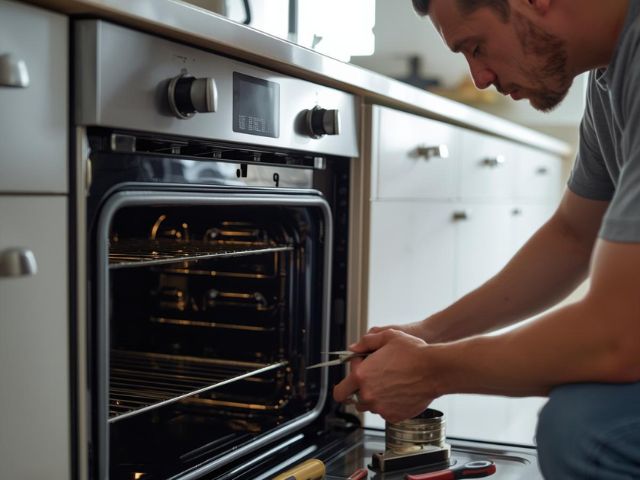
Modern kitchens in Oceanside often feature premium appliances designed for performance, precision, and style. Wolf built-in ovens stand out for their professional-grade cooking power, but even high-end appliances can develop problems over time. One of the most frustrating issues homeowners encounter is overheating — a problem that can affect cooking results, appliance safety, and long-term performance.
An oven that runs hotter than expected doesn’t just burn meals. It can strain internal components, increase energy consumption, and potentially lead to costly damage if ignored. Understanding why overheating happens and how it can be resolved helps homeowners protect their investment while keeping their kitchen running smoothly.
Why Overheating Problems Should Never Be Ignored
Overheating may initially appear as a minor inconvenience. Maybe cookies bake faster than usual or dishes come out overcooked despite correct temperature settings. However, these early warning signs often point to deeper mechanical or electrical concerns.
When a built-in oven overheats consistently, several risks emerge:
- Internal components wear out faster
- Electrical systems experience added stress
- Cooking accuracy becomes unreliable
- Kitchen safety may be compromised
Wolf ovens are engineered for precise temperature regulation. When that balance fails, professional attention becomes essential to restore safe and consistent operation.
Common Reasons Wolf Built-In Ovens Overheat
Overheating rarely happens without a cause. In most cases, a specific component responsible for temperature control is no longer functioning correctly.
Faulty Temperature Sensor
The temperature sensor monitors heat levels inside the oven cavity. If the sensor sends incorrect readings to the control board, the oven may continue heating beyond the selected temperature.
Signs of sensor issues include uneven cooking or temperatures that feel significantly hotter than displayed settings.
Malfunctioning Thermostat or Control Board
The thermostat and electronic control board work together to regulate heating cycles. When communication between these parts breaks down, heating elements may remain active longer than necessary.
This often results in rapid temperature spikes or difficulty maintaining steady heat levels.
Damaged Heating Elements
Wolf built-in ovens rely on bake and broil elements to generate heat. If one element becomes damaged or shorted, it may produce excessive heat even when operating under normal settings.
Homeowners sometimes notice glowing elements that stay active longer than usual.
Poor Ventilation Around the Built-In Unit
Built-in ovens depend on proper airflow to release excess heat. Blocked vents or improper installation can trap heat inside the appliance, causing overheating symptoms even when internal components are working correctly.
Oceanside homes with custom cabinetry occasionally experience this issue after renovations or kitchen upgrades.
Warning Signs Oceanside Homeowners Should Watch For
Recognizing overheating early can prevent extensive repairs. Many ovens display subtle signals before the problem worsens.
Watch for these indicators:
- Food burning faster than expected
- Exterior surfaces becoming unusually hot
- Error codes appearing on the display
- Strong heat escaping from vents
- Oven shutting off unexpectedly
If any of these symptoms appear regularly, scheduling an inspection quickly can prevent additional damage.
How Coastal Environments Can Affect Oven Performance
Living near the coast offers incredible lifestyle benefits, but salty air and humidity can influence appliance longevity. Oceanside homes experience environmental factors that may accelerate wear inside kitchen equipment.
Salt particles carried through air circulation can gradually affect electrical connections and sensitive components. Over time, corrosion may interfere with temperature sensors or control boards, increasing the likelihood of overheating problems.
Routine maintenance becomes especially valuable in coastal regions where appliances work harder to maintain optimal performance.
Practical Steps to Prevent Oven Overheating
While some issues require professional repair, homeowners can take preventative steps that reduce strain on their ovens.
Keep Interior Surfaces Clean
Grease buildup and food debris can trap heat and interfere with airflow. Regular cleaning helps maintain accurate temperature distribution during cooking cycles.
Avoid Blocking Air Vents
Cooling vents allow heat to escape safely. Never place cookware, foil, or kitchen items near ventilation openings.
Check Door Seals Regularly
A worn gasket allows heat to escape unevenly, forcing the oven to compensate by producing more heat. Replacing damaged seals helps stabilize temperatures.
Use Proper Cooking Modes
Selecting incorrect cooking modes for certain dishes may cause excessive heat buildup. Understanding your oven’s features improves efficiency and reduces unnecessary stress on heating components.
When Professional Repair Makes the Difference
Overheating issues often involve electrical diagnostics and specialized parts unique to Wolf appliances. Attempting DIY repairs without proper tools can worsen the problem or create safety hazards.
Certified technicians understand how Wolf systems are engineered and can accurately diagnose underlying causes rather than treating surface symptoms.
Professional service typically includes:
- Temperature calibration testing
- Sensor and thermostat evaluation
- Electrical component inspection
- Ventilation assessment
- Safe replacement of defective parts
Homeowners who address overheating promptly often avoid larger repairs later.
For trusted assistance, many residents rely on Wolf Appliance Repair Expert for experienced service tailored specifically to Wolf kitchen appliances.
How Regular Maintenance Extends Oven Lifespan
Preventive care plays a major role in avoiding recurring overheating problems. Annual inspections help technicians identify early wear before it disrupts performance.
Maintenance visits commonly involve:
- Cleaning internal components
- Testing temperature accuracy
- Inspecting wiring connections
- Evaluating airflow systems
- Updating calibration settings
Consistent upkeep ensures ovens maintain the precision cooking experience Wolf appliances are known for.
Homeowners interested in seasonal appliance care can also explore helpful insights in Wolf Appliance Issues You Should Handle After Summer, which highlights common maintenance concerns following heavy kitchen use.
The Impact of Overheating on Cooking Results
Beyond mechanical concerns, overheating directly affects daily cooking experiences. Recipes rely on accurate temperatures, and even small fluctuations can change outcomes dramatically.
Common cooking frustrations include:
- Burned baked goods
- Dry meats and casseroles
- Uneven roasting results
- Extended preheating times
- Inconsistent browning
Once temperature regulation is restored, many homeowners immediately notice improved flavor, texture, and cooking consistency.
Why Built-In Ovens Require Specialized Care
Unlike freestanding models, built-in ovens integrate directly into cabinetry and electrical systems. This design offers sleek aesthetics but also makes repairs more complex.
Accessing internal components often requires careful removal procedures to avoid damaging surrounding cabinets or connections. Experienced technicians ensure repairs are completed safely while protecting kitchen structures.
Specialized care also guarantees replacement parts match Wolf’s engineering standards, preserving long-term reliability.
Energy Efficiency and Overheating Issues
An overheating oven doesn’t just impact cooking—it also affects household energy usage. When heating elements run longer than necessary, electricity consumption increases significantly.
Correcting overheating problems can:
- Reduce monthly energy costs
- Improve heating efficiency
- Shorten cooking times
- Prevent unnecessary appliance strain
Efficient appliances contribute to both environmental responsibility and household savings.
Smart Habits for Everyday Oven Use
Simple daily habits can reduce stress on your built-in oven and minimize future overheating risks.
Consider adopting these practices:
- Preheat only when necessary
- Avoid slamming the oven door
- Use cookware suited to oven size
- Allow cooling time between heavy cooking sessions
- Schedule periodic professional inspections
These small adjustments help maintain consistent performance year after year.
Restoring Comfort and Confidence in Your Kitchen
A reliable oven plays a central role in family meals, celebrations, and everyday routines. When overheating interrupts that reliability, it can quickly turn cooking into a stressful experience.
Fortunately, most overheating problems are fully repairable when addressed early. With proper diagnosis, professional service, and routine maintenance, Wolf built-in ovens can continue delivering exceptional performance for many years.
Oceanside homeowners who stay proactive about appliance care not only protect their investment but also enjoy safer kitchens, better cooking results, and peace of mind knowing their appliances operate exactly as intended.
Frequently Asked Questions
Why does my Wolf oven feel hotter than the set temperature?
This usually indicates a faulty temperature sensor, calibration issue, or malfunctioning control board causing inaccurate heat regulation.
Is overheating dangerous for built-in ovens?
Yes. Persistent overheating can damage internal components and increase safety risks if left unresolved.
Can oven calibration fix overheating?
In some cases, recalibration restores accurate temperature control. However, damaged components may still require replacement.
How often should Wolf ovens be serviced?
Annual maintenance is recommended, especially in coastal areas like Oceanside where environmental conditions may affect appliance performance.
Should I stop using my oven if it overheats?
If overheating becomes severe or frequent, limiting use until professional inspection is the safest option.
Keeping Your Wolf Oven Performing at Its Best
Overheating issues don’t have to mean the end of your appliance’s reliability. With early detection, expert repair, and consistent maintenance, Wolf built-in ovens can continue delivering the precision cooking experience they were designed for.
A well-maintained oven transforms everyday cooking into something enjoyable again — allowing Oceanside homeowners to focus less on appliance problems and more on creating memorable meals at home.