
 Find Wolf Appliance Repair Near You
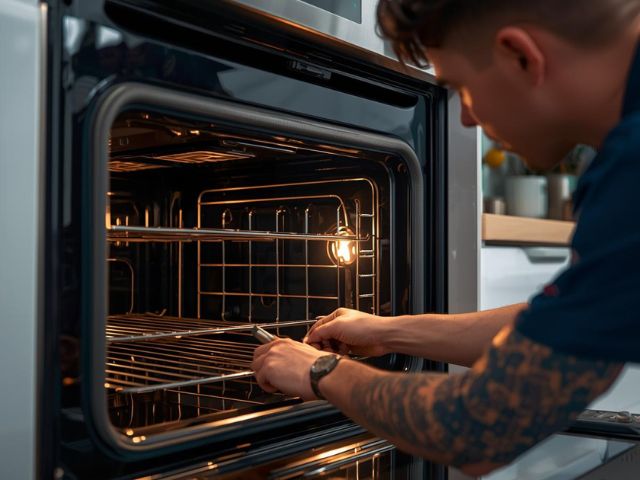
A Wolf built-in oven is more than just a kitchen appliance—it’s the centerpiece of a modern culinary space. Known for precision cooking, elegant design, and professional-grade performance, these ovens help homeowners in Santa Maria create restaurant-quality meals right at home. However, even premium appliances require consistent care to maintain peak efficiency and longevity.
Homeowners who invest time in proper maintenance not only protect their appliance but also ensure safer cooking, better energy efficiency, and fewer unexpected breakdowns. With the coastal climate and active cooking lifestyles common in Santa Maria homes, understanding how to properly maintain a Wolf built-in oven can make a noticeable difference in performance year after year.
Why Consistent Oven Care Matters for Santa Maria Homes
Wolf ovens are engineered for durability, but daily cooking habits, grease buildup, and temperature fluctuations can gradually impact performance. Regular maintenance keeps every component functioning smoothly while preserving the appliance’s advanced cooking accuracy.
Santa Maria residents often rely heavily on their ovens for family meals, gatherings, and seasonal celebrations. When maintenance is overlooked, small issues—such as uneven heating or longer preheating times—can quickly develop into costly repairs.
Routine care helps homeowners:
- Maintain precise cooking temperatures
- Prevent electrical or mechanical issues
- Extend appliance lifespan
- Improve cooking consistency
- Reduce energy consumption
A well-maintained oven doesn’t just cook better—it supports a more efficient and stress-free kitchen experience.
Daily Habits That Protect Your Wolf Built-In Oven
The simplest maintenance routines often deliver the biggest results. Small daily habits prevent grease accumulation and protect sensitive internal components.
After cooking, allow the oven to cool before wiping away food splatters using a soft cloth. Grease residue left inside the oven can harden over time, making cleaning more difficult and potentially affecting airflow.
Helpful everyday practices include:
- Cleaning minor spills immediately
- Avoiding abrasive scrubbers on interior surfaces
- Keeping oven racks properly aligned
- Closing the oven door gently to protect hinges
- Checking that vents remain unobstructed
These small actions significantly reduce wear and help preserve the oven’s premium finish.
Smart Cleaning Techniques for Long-Term Performance
Deep cleaning plays a critical role in maintaining a Wolf built-in oven’s efficiency. However, improper cleaning methods can damage interior coatings or sensitive components.
Instead of harsh chemicals, use manufacturer-safe cleaners designed for high-end appliances. Warm water mixed with mild detergent is often sufficient for routine cleaning.
Focus on these important areas:
Oven Interior
Remove racks and clean surfaces carefully to prevent baked-on residue from affecting heat circulation.
Door Glass Panels
Grease buildup on glass reduces visibility and may trap heat unevenly. Regular polishing keeps the door clear and efficient.
Control Panel
Use a damp microfiber cloth rather than spraying cleaners directly onto electronic controls.
Oven Racks
Soak racks periodically to remove stubborn grease while maintaining smooth sliding functionality.
Consistent cleaning prevents odors, smoke during cooking, and unnecessary strain on heating elements.
Temperature Accuracy and Calibration Checks
One of the defining features of a Wolf oven is precise temperature control. When meals begin cooking unevenly or baking results change unexpectedly, calibration may be needed.
Signs your oven temperature may be off include:
- Food cooking faster or slower than expected
- Uneven browning
- Frequent recipe adjustments
- Extended preheating times
Using an oven thermometer allows homeowners to verify accuracy. If temperature inconsistencies persist, professional servicing ensures calibration aligns with factory standards.
Maintaining accurate temperatures not only improves cooking results but also prevents overworking internal components.
Ventilation and Airflow: The Hidden Key to Efficiency
Many homeowners overlook ventilation when maintaining their ovens. Proper airflow ensures heat distributes evenly and prevents overheating.
Wolf built-in ovens rely on ventilation systems to regulate internal temperatures. Blocked vents or accumulated grease can disrupt this balance.
To maintain optimal airflow:
- Keep surrounding cabinetry clear of obstructions
- Clean vent openings regularly
- Avoid storing items that restrict heat circulation
- Inspect cooling fans for unusual noise
Good ventilation improves efficiency while protecting electronic systems from excessive heat exposure.
Seasonal Maintenance Every Santa Maria Homeowner Should Follow
Changing seasons often mean heavier kitchen use, especially during holidays and family gatherings. Performing seasonal maintenance helps prepare your oven for increased demand.
A seasonal checklist may include:
- Inspecting door seals for wear
- Testing heating elements
- Cleaning hidden grease buildup
- Checking lighting inside the oven cavity
- Running a self-clean cycle when recommended
Interestingly, appliance issues tend to appear during warmer months when cooking habits shift. Many homeowners find it helpful to explore common seasonal appliance concerns like 10 Wolf Appliance Breakdowns That Spike in Summer Months to stay ahead of potential problems.
Preventive attention during seasonal transitions reduces the likelihood of sudden malfunctions.
Warning Signs Your Wolf Oven Needs Professional Attention
Even with excellent maintenance habits, certain issues require expert diagnosis. Recognizing early warning signs can prevent major repairs.
Watch for these indicators:
- Oven not heating properly
- Error codes appearing frequently
- Strange noises during operation
- Burning smells unrelated to food
- Door not sealing correctly
Ignoring these symptoms may lead to more serious internal damage. Professional technicians have specialized tools and training designed specifically for luxury appliances like Wolf ovens.
For homeowners seeking trusted assistance, Wolf Appliance Repair Expert provides specialized service tailored to maintaining high-performance kitchen equipment.
Protecting Your Investment Through Preventive Care
A Wolf built-in oven represents a significant investment in both home value and culinary capability. Preventive maintenance ensures that investment continues delivering exceptional performance for years.
Preventive care focuses on minimizing strain before problems develop. Scheduling periodic inspections and maintaining consistent cleaning routines dramatically lowers repair costs over time.
Benefits of preventive maintenance include:
- Longer appliance lifespan
- Improved cooking reliability
- Lower energy bills
- Reduced emergency repairs
- Enhanced kitchen safety
Homeowners who prioritize prevention often experience fewer disruptions and better long-term appliance performance.
Cooking Practices That Extend Oven Lifespan
Maintenance isn’t limited to cleaning—it also involves how the oven is used daily. Proper cooking practices help protect internal systems from unnecessary stress.
Consider these helpful habits:
- Avoid lining the oven floor with foil, which blocks airflow
- Preheat only when necessary
- Use cookware appropriate for convection cooking
- Prevent excessive grease drips by using baking trays
- Allow cooling time between high-temperature cooking sessions
Thoughtful usage reduces strain on heating elements and electronic controls, helping the appliance operate efficiently.
The Advantage of Local Expertise in Santa Maria
Local technicians understand environmental factors unique to Santa Maria homes, including coastal humidity, salt air exposure, and frequent entertaining lifestyles. These conditions can subtly influence appliance performance over time.
Working with specialists familiar with Wolf appliances ensures maintenance solutions are tailored to both the appliance and the local environment. Local expertise often leads to faster diagnostics and more effective long-term solutions.
Choosing knowledgeable professionals adds another layer of protection to your kitchen investment.
Frequently Asked Questions
- How often should a Wolf built-in oven be cleaned?
Light cleaning should be done weekly, while deep cleaning is recommended every one to three months depending on cooking frequency. - Is the self-clean feature safe to use regularly?
Yes, but moderation is important. Excessive self-clean cycles may place stress on components, so use it only when necessary. - Why does my oven take longer to preheat?
This may indicate heating element wear, calibration issues, or airflow restrictions that require inspection. - Can maintenance really prevent major repairs?
Absolutely. Preventive care helps detect minor issues early before they become expensive mechanical failures. - When should professional servicing be scheduled?
Annual servicing is ideal, especially for households that cook frequently or rely heavily on their oven.
Keeping Your Kitchen Running Smoothly Year-Round
A well-maintained Wolf built-in oven transforms everyday cooking into a reliable and enjoyable experience. From simple daily cleaning habits to seasonal inspections and professional servicing, consistent care ensures optimal performance and longevity.
Santa Maria homeowners who stay proactive with maintenance enjoy better cooking results, fewer unexpected repairs, and greater peace of mind in the kitchen. With the right approach, a Wolf oven continues delivering the precision and power it was designed for—making every meal preparation smoother, safer, and more enjoyable for years to come.