
 Find Wolf Appliance Repair Near You
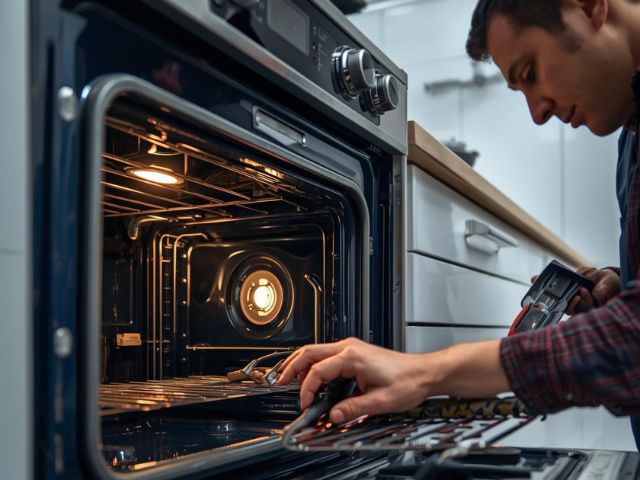
When your Wolf built-in oven suddenly stops working the way it should, it can disrupt your entire routine. From undercooked dinners to error codes that make no sense, even minor issues can feel overwhelming—especially when you rely on your kitchen for daily meals or entertaining guests. In Santa Clarita, where modern homes often feature high-end appliances, knowing a few quick fixes can save you time, stress, and unnecessary costs.
Wolf ovens are known for their premium engineering, precision cooking, and sleek design. But like any advanced appliance, they’re not immune to wear, electrical glitches, or simple user-related issues. The good news? Many common problems have straightforward solutions that don’t require immediate professional intervention.
Let’s explore practical and effective ways to troubleshoot your Wolf built-in oven so you can get back to cooking with confidence.
Why Wolf Built-In Ovens Are Different From Standard Models
Wolf built-in ovens are not your average kitchen appliances. They’re designed with professional-grade components, digital controls, and precise temperature regulation. While this makes them incredibly reliable and powerful, it also means they can behave differently from standard ovens when something goes wrong.
Instead of obvious mechanical failures, most Wolf oven issues involve sensors, control boards, or software-related features. Understanding this difference is key because some problems may appear serious but are actually simple to fix.
Common characteristics of Wolf ovens include:
- Dual convection systems for even heat distribution
- Advanced touch controls and digital displays
- Self-diagnostic error codes
- High-temperature performance for professional-style cooking
These features are fantastic—until one of them malfunctions.
Oven Not Heating Properly
One of the most common complaints is an oven that turns on but doesn’t heat up correctly. This can happen gradually or suddenly.
Possible causes include:
- Faulty heating element
- Temperature sensor malfunction
- Incorrect oven mode selection
- Tripped circuit breaker
Quick fix to try:
Start by checking if the oven is set to the correct mode (bake, convection, roast). Then preheat for at least 15 minutes to see if the temperature stabilizes. If the oven still feels cold, inspect the breaker panel to ensure the circuit hasn’t tripped.
If the oven powers on but never reaches the desired temperature, the heating element or sensor may need professional attention.
Wolf Oven Won’t Turn On at All
Few things are more frustrating than a completely dead oven, especially when guests are coming over.
Before assuming the worst, check these basics:
- Power supply from the outlet
- Home circuit breaker or fuse box
- Control panel lock feature
- Door not fully closed
Many Wolf ovens have safety features that prevent them from starting if the door isn’t properly shut or if the control lock is activated.
Quick fix to try:
Reset the oven by turning off the breaker for five minutes, then turning it back on. This soft reset often resolves temporary electronic glitches.
Error Codes on the Display Screen
Wolf ovens are smart enough to tell you when something is wrong—through error codes. While these codes look intimidating, some of them simply indicate minor issues.
Common triggers for error codes:
- Temporary sensor misreads
- Overheating protection mode
- Software communication issues
- Power fluctuations
Quick fix to try:
Turn off the oven, unplug it (or flip the breaker), wait five minutes, then restart. If the code disappears, it was likely a temporary fault.
If the code persists, it’s a sign the system detected a real problem that requires professional diagnostics.
Uneven Cooking or Hot Spots
If your cookies are burnt on one side and raw on the other, your oven’s heat distribution may be off.
This can happen due to:
- Blocked convection fan
- Damaged fan motor
- Incorrect rack placement
- Overloaded oven cavity
Quick fix to try:
Make sure nothing is blocking the fan inside the oven. Avoid overcrowding trays, and always use recommended rack positions based on the cooking mode.
Uneven cooking is often a sign that airflow is restricted or the convection system isn’t working efficiently.
Oven Door Not Closing or Sealing Properly
A loose or misaligned oven door can cause heat loss, longer cooking times, and higher energy bills.
Common causes include:
- Worn door hinges
- Damaged door gasket
- Loose mounting screws
- Door misalignment
Quick fix to try:
Inspect the rubber gasket around the door. If it’s cracked, brittle, or loose, it may not be sealing properly. Also check for debris or grease buildup that prevents the door from closing fully.
A properly sealed door ensures accurate temperatures and efficient cooking.
Self-Cleaning Function Not Working
Wolf ovens feature a powerful self-cleaning mode, but sometimes it refuses to start.
This usually happens when:
- Door lock mechanism fails
- Oven is too hot to initiate cleaning
- Control panel glitch
- Safety sensors detect an issue
Quick fix to try:
Allow the oven to cool completely before activating self-clean. If the door lock doesn’t engage, try resetting the unit via the breaker.
If the lock system is faulty, self-cleaning will remain disabled for safety reasons.
Strange Noises During Operation
While Wolf ovens are generally quiet, certain sounds may raise concerns.
Common noises include:
- Fan humming or whirring
- Clicking during temperature changes
- Light buzzing from electrical components
These are usually normal. However, loud grinding, rattling, or screeching sounds can indicate mechanical problems.
Quick fix to try:
Check if any trays, racks, or cookware are vibrating against internal surfaces. Remove loose items and test again.
Persistent unusual noises often mean the fan motor or internal components need servicing.
When DIY Fixes Aren’t Enough
While basic troubleshooting can solve many issues, there comes a point when professional expertise is essential—especially with high-end appliances like Wolf ovens.
You should seek professional help if:
- Error codes keep returning
- The oven doesn’t heat at all
- Electrical smells or sparks appear
- Internal parts need replacement
Attempting complex repairs without proper tools and knowledge can cause more damage or even safety risks.
That’s why many Santa Clarita homeowners rely on Wolf Appliance Repair Expert for specialized diagnostics and precision repairs. Their experience with premium appliances ensures your oven gets the care it deserves without unnecessary guesswork.
Smart Maintenance Tips to Prevent Future Issues
Prevention is always better than repair. A little maintenance goes a long way in keeping your Wolf oven in top condition.
Helpful habits include:
- Wiping spills immediately after cooking
- Avoiding harsh chemical cleaners
- Running self-clean only when necessary
- Keeping vents and fans unobstructed
- Scheduling periodic professional inspections
Regular care not only improves performance but also extends the lifespan of your appliance.
Learn More About Common Wolf Appliance Problems
If you’re interested in understanding more about Wolf appliances beyond just ovens, you’ll find valuable insights in this related post:
Top 6 Common Wolf Appliance Problems You Can Fix Yourself
It covers practical solutions for other Wolf appliances and empowers homeowners with useful troubleshooting knowledge.
Why Santa Clarita Homes Need Reliable Oven Performance
Santa Clarita households often feature open kitchens, modern layouts, and premium appliances designed for both function and style. A built-in oven isn’t just a cooking tool—it’s part of the home’s lifestyle.
Whether you’re:
- Hosting family gatherings
- Running a home-based food business
- Cooking daily meals for a busy household
Your oven plays a central role. That’s why quick fixes and proper maintenance matter so much. A small issue left unattended can quickly turn into an expensive repair.
Signs It’s Time to Call a Professional
Even the most capable DIY homeowner should know when to stop.
Red flags include:
- Burning smells or smoke
- Repeated tripping of breakers
- Inconsistent temperatures despite resets
- Touch panel not responding
- Visible internal damage
These issues usually point to deeper electrical or mechanical problems that require trained technicians.
Final Thoughts: Keep Your Wolf Oven Running Like New
A Wolf built-in oven is an investment in quality, performance, and culinary excellence. When it starts acting up, it doesn’t always mean you need an immediate replacement or costly repair. Many problems have simple fixes that you can handle with a bit of awareness and patience.
By understanding common issues—like heating problems, error codes, or door seal failures—you can troubleshoot effectively and avoid unnecessary downtime. Regular maintenance and knowing when to seek professional help are the keys to keeping your oven reliable for years.
In Santa Clarita, where modern living meets premium appliances, staying informed about your Wolf oven isn’t just convenient—it’s essential. With the right knowledge and timely action, you’ll continue enjoying perfectly cooked meals without the stress of unexpected breakdowns.