
 Find Wolf Appliance Repair Near You
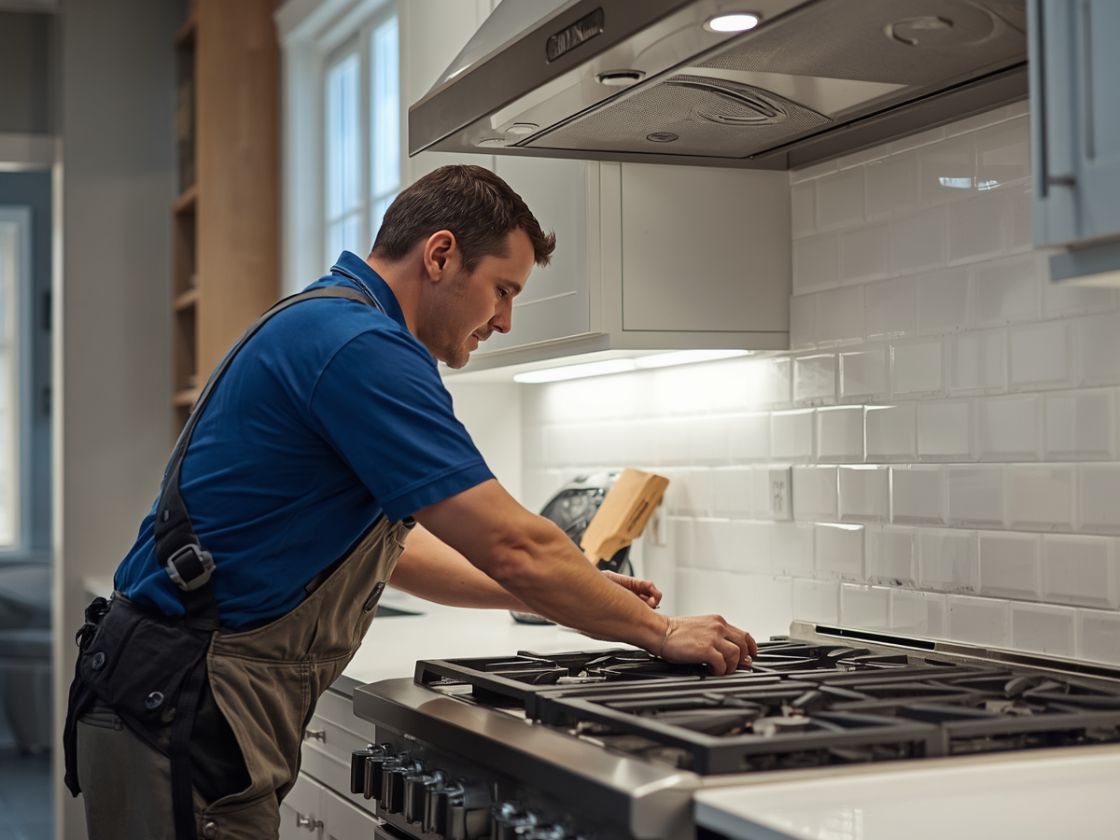
A Wolf Rangetops is built for precision, durability, and high-performance cooking. However, even premium appliances are not immune to the effects of excessive heat. Over time, constant exposure to high temperatures can lead to wear and tear, component failure, and costly repairs if not properly managed.
Understanding how heat impacts your Wolf rangetop—and what you can do about it—can make all the difference in maintaining its efficiency and longevity. With the right knowledge and preventive measures, you can keep your appliance running smoothly while avoiding unnecessary breakdowns.
When Heat Becomes the Hidden Enemy of Your Rangetop
Heat is essential for cooking, but too much of it in the wrong places can damage critical components. Wolf rangetops are engineered to handle high temperatures, yet prolonged or uneven heat exposure can stress internal systems.
Key areas affected by excessive heat include:
- Burner assemblies
- Ignition systems
- Control knobs and valves
- Internal wiring and insulation
When heat builds up beyond normal levels, it can weaken these parts, causing them to malfunction or fail entirely. The issue often starts small—like delayed ignition or uneven flames—but can quickly escalate into serious repair needs.
Common Heat-Related Failures You Should Watch For
Recognizing early warning signs is essential for preventing major appliance issues. Heat-related failures often develop gradually, making them easy to overlook at first.
Weak or Uneven Burner Flames
If your burners are no longer producing a steady, even flame, excessive heat may have warped burner components or clogged gas ports. This affects cooking performance and can increase gas consumption.
If you’re dealing with flame issues, you may also find this helpful:
Easy Solutions: How to Fix Low Flame on Gas Cooktops
Ignition Problems
Frequent exposure to heat can damage the ignition system, leading to:
- Clicking sounds without ignition
- Delayed burner lighting
- Complete ignition failure
These issues are often tied to worn-out electrodes or heat-damaged wiring.
Overheating Control Knobs
Control knobs may become too hot to touch or difficult to turn. This is usually caused by heat transfer from burners to the control panel, potentially damaging internal valve mechanisms.
Burnt or Melted Wiring
Internal wiring insulation can degrade under excessive heat, leading to electrical issues or even safety hazards. This is one of the more serious problems that requires immediate attention.
Why Heat Damage Happens Faster Than You Expect
Many homeowners assume that high-end appliances are immune to environmental stress—but that’s not entirely true. Several factors can accelerate heat-related wear:
- Poor ventilation: Trapped heat increases internal temperatures
- Frequent high-heat cooking: Constant maximum flame use stresses components
- Grease buildup: Acts as an insulator, trapping heat where it shouldn’t be
- Improper installation: Limited airflow around the rangetop
Even daily cooking habits can gradually contribute to overheating problems if not managed properly.
Smart Habits That Protect Your Wolf Rangetop
Preventing heat-related failures starts with simple, consistent habits. These small adjustments can significantly extend the life of your appliance.
Keep Burners and Surfaces Clean
Grease and debris not only affect performance but also trap heat. Regular cleaning ensures proper airflow and prevents overheating.
- Wipe spills immediately
- Clean burner ports weekly
- Deep clean the rangetop monthly
Avoid Prolonged High Heat
Using maximum heat for extended periods can strain internal components. Instead:
- Use high heat only when necessary
- Lower the flame once cooking temperature is reached
- Alternate burners to distribute heat evenly
Ensure Proper Kitchen Ventilation
A well-ventilated kitchen helps dissipate excess heat, reducing stress on your rangetop.
- Use range hoods while cooking
- Open windows or improve airflow
- Avoid enclosing the appliance tightly
Inspect Components Regularly
Routine checks can help you catch issues early:
- Look for discoloration or warping
- Check for unusual smells (like burning insulation)
- Listen for irregular ignition sounds
The Role of Professional Maintenance in Heat Prevention
While DIY care is important, professional servicing plays a critical role in preventing long-term damage. Technicians can identify hidden issues that aren’t visible to the untrained eye.
A trusted service like Wolf Appliance Repair Expert can:
- Inspect internal components for heat damage
- Replace worn-out parts before they fail
- Ensure proper calibration of burners and controls
- Improve overall appliance efficiency
Scheduling regular maintenance not only prevents breakdowns but also ensures your rangetop operates safely and efficiently.
How Cooking Techniques Impact Appliance Health
Believe it or not, the way you cook can influence how much stress your rangetop endures.
Use the Right Cookware
Improper cookware can reflect heat back into the appliance, increasing internal temperatures.
- Choose flat-bottomed pans
- Avoid oversized pots that trap heat
- Use materials that distribute heat evenly
Match Burner Size to Cookware
Using a small pan on a large burner wastes energy and exposes surrounding components to unnecessary heat.
Avoid Empty Heating
Never leave burners on without cookware. This causes heat to build rapidly, stressing the burner and surrounding parts.
Signs It’s Time for Immediate Repair
Even with preventive care, issues can still arise. Knowing when to act can prevent further damage.
Watch for:
- Persistent ignition failure
- Burners that won’t adjust properly
- Unusual odors during operation
- Visible damage to components
Ignoring these signs can lead to more expensive repairs—or even complete appliance failure.
Long-Term Benefits of Preventing Heat Damage
Taking proactive steps doesn’t just prevent problems—it delivers long-term value.
Extended Appliance Lifespan
Proper care reduces wear and tear, allowing your rangetop to perform efficiently for years.
Improved Cooking Performance
Consistent heat output ensures better cooking results and energy efficiency.
Lower Repair Costs
Preventive maintenance is far more affordable than major repairs or replacements.
Enhanced Safety
Reducing the risk of overheating protects your home from potential hazards.
Creating a Maintenance Routine That Works
Consistency is key when it comes to appliance care. Establishing a simple routine can make maintenance effortless.
Weekly Tasks:
- Clean burners and grates
- Wipe down surfaces
Monthly Tasks:
- Deep clean all components
- Inspect for visible damage
Quarterly Tasks:
- Check ventilation systems
- Evaluate overall performance
Annual Tasks:
- Schedule professional inspection and servicing
This structured approach helps you stay ahead of potential issues without overwhelming your schedule.
Final Thoughts: Protecting Performance Through Prevention
Heat-related failures are one of the most common challenges faced by Wolf rangetop owners—but they are also among the most preventable. By understanding how heat affects your appliance and adopting smart maintenance habits, you can avoid costly repairs and keep your kitchen running efficiently.
From proper cleaning and ventilation to mindful cooking techniques and professional servicing, every step you take contributes to the long-term health of your rangetop. Staying proactive not only preserves performance but also ensures safety and reliability for years to come.
Investing a little time in prevention today can save you from major headaches tomorrow—keeping your Wolf rangetop as powerful and dependable as the day it was installed.